Maths · Grades 1–2
Free 2-digit addition worksheets
Free printable 2-digit addition worksheets for grades 1 and 2: two sets of double-digit sums without regrouping, twenty problems with regrouping, sixteen column sums mostly under 100, and twenty column sums on grid paper with totals past 100.
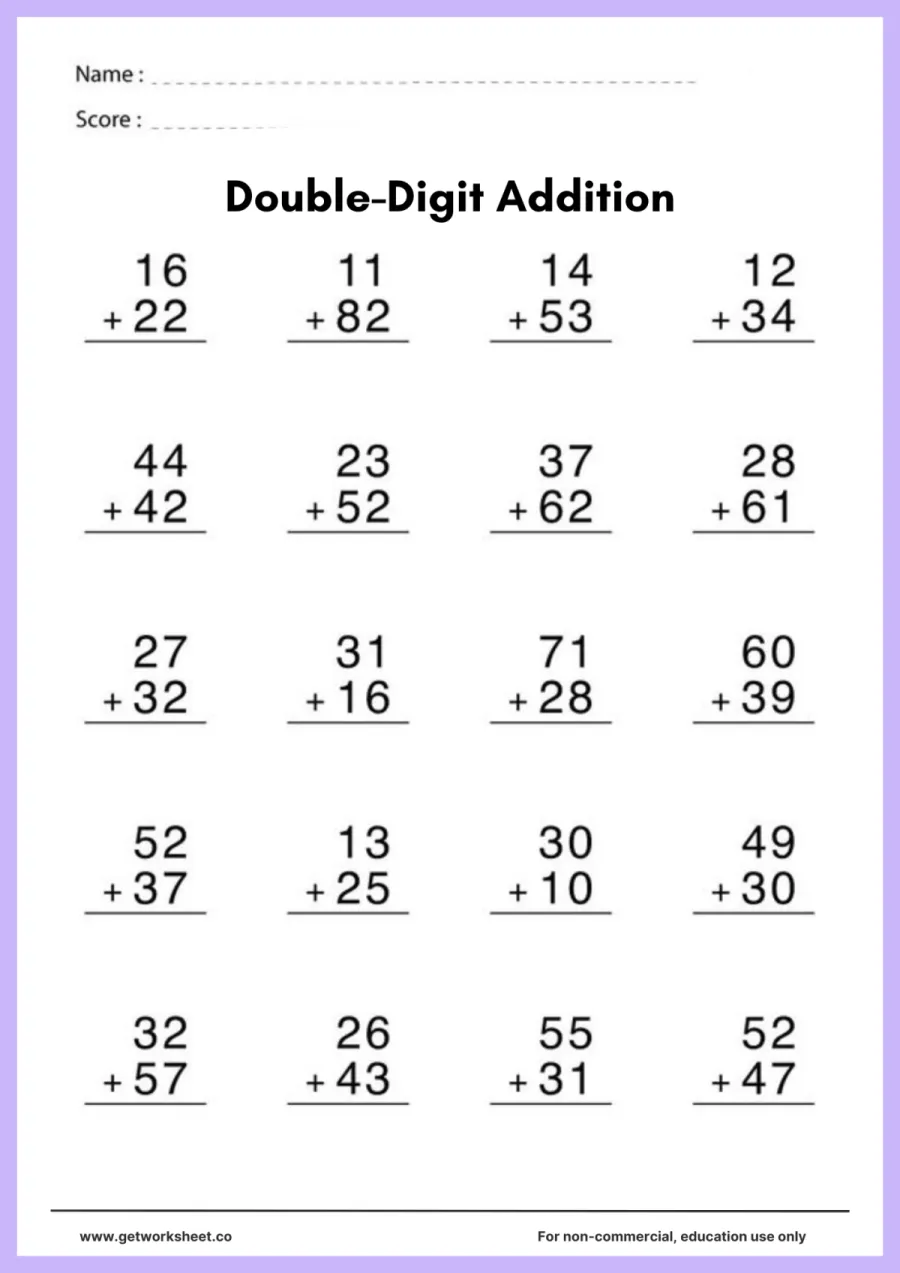
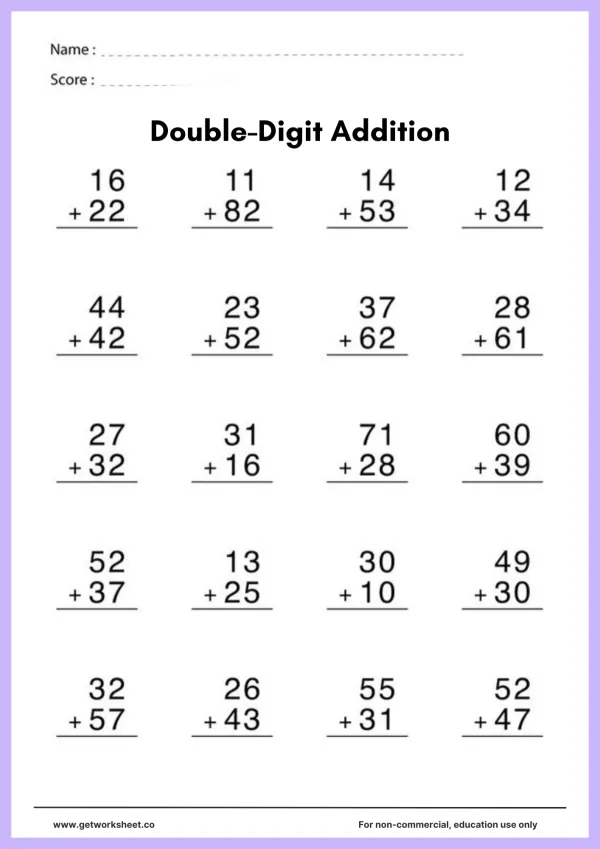
2-digit addition without regrouping, set 1 (20 problems)
Twenty vertical 2-digit sums with no carrying, such as 16 + 22. Follow-on practice once the doubles facts are known. Free printable PDF.
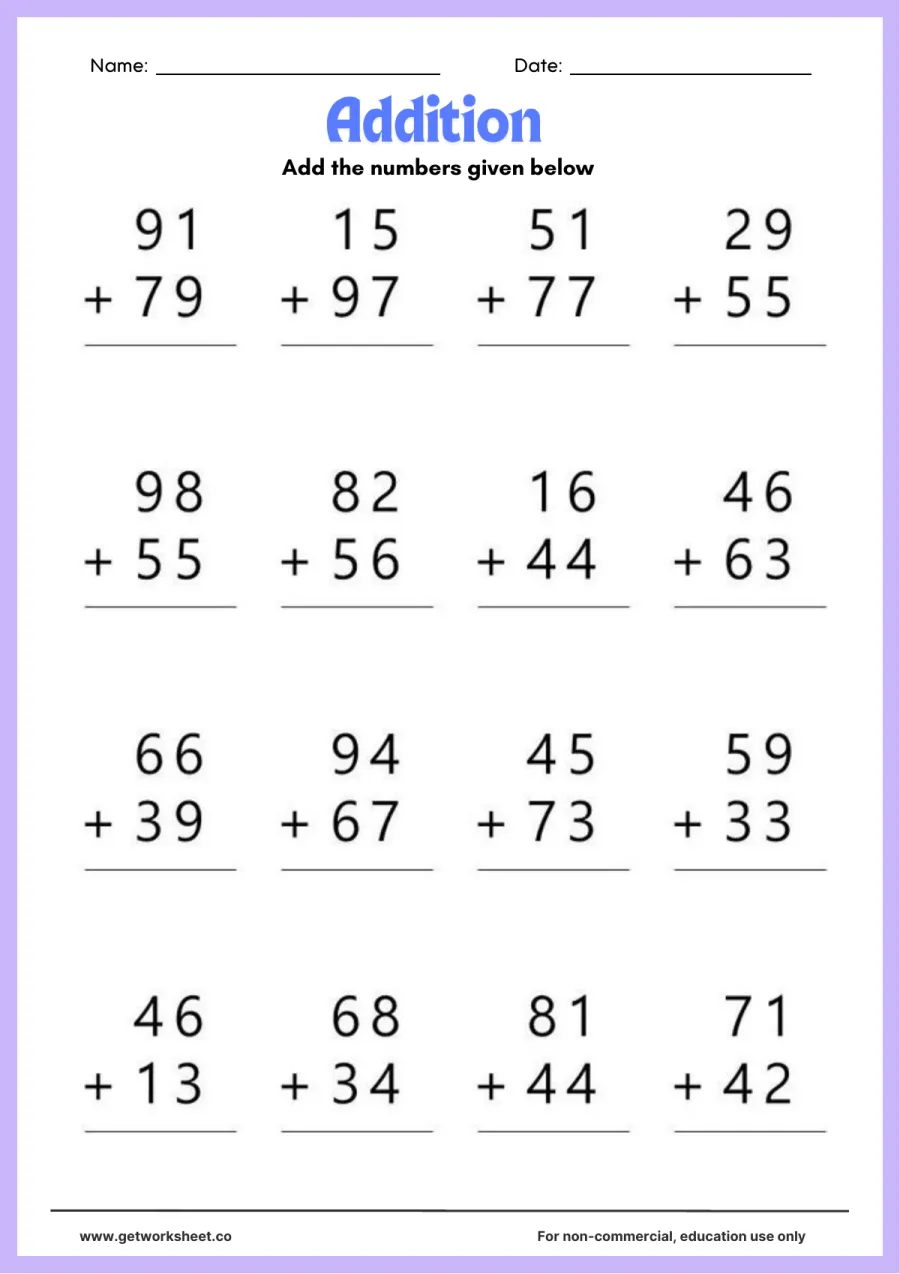
2-digit addition with regrouping (20 problems)
Twenty vertical 2-digit sums that all need a carry, such as 91 + 79. Free printable PDF.
Whole set
All 5 sheets in one PDF
Instant and ad-free. No account needed.
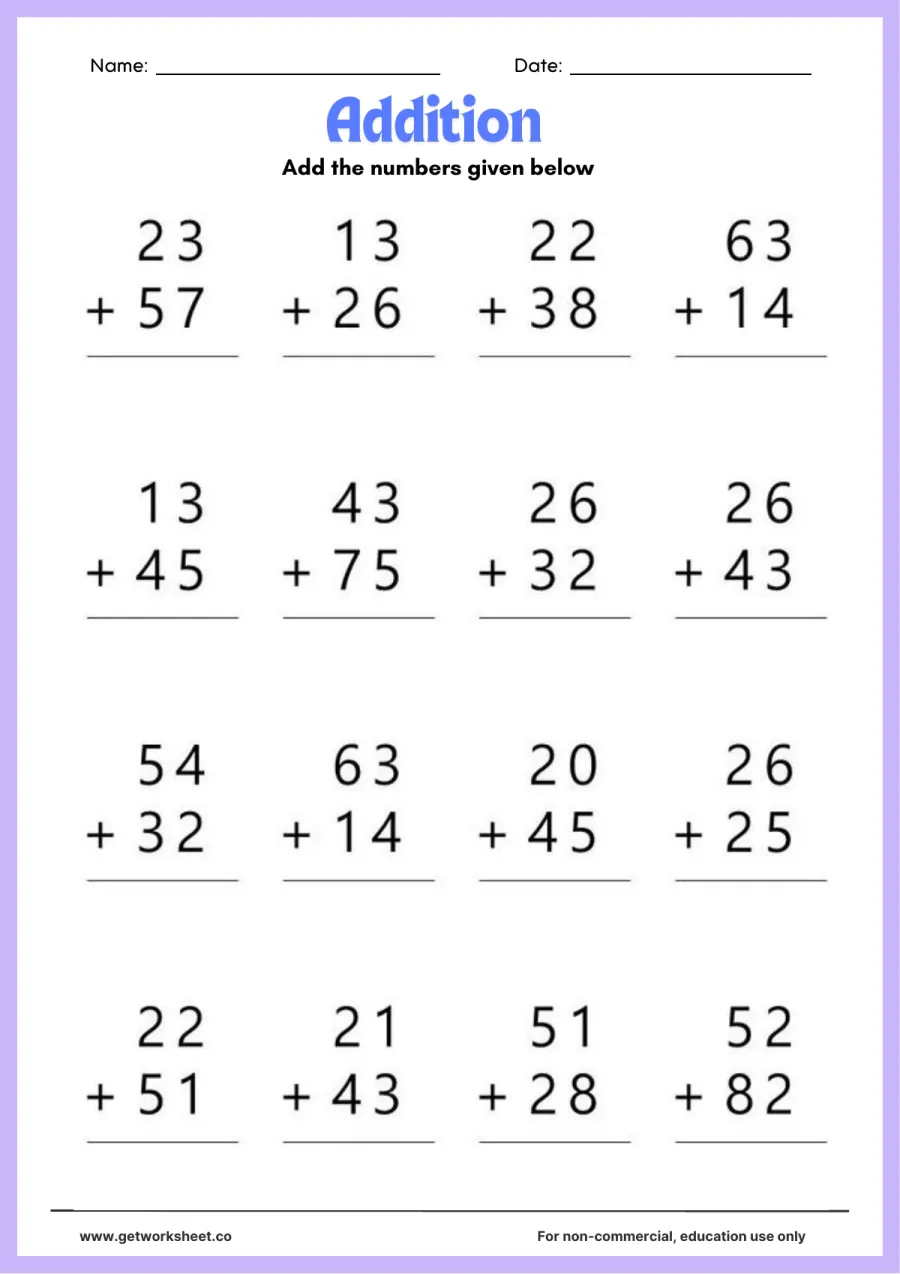
2-digit column addition: 16 problems, sums mostly under 100
Add pairs of two-digit numbers vertically, such as 23 + 57 and 26 + 25, some with regrouping; 16 problems in four rows.
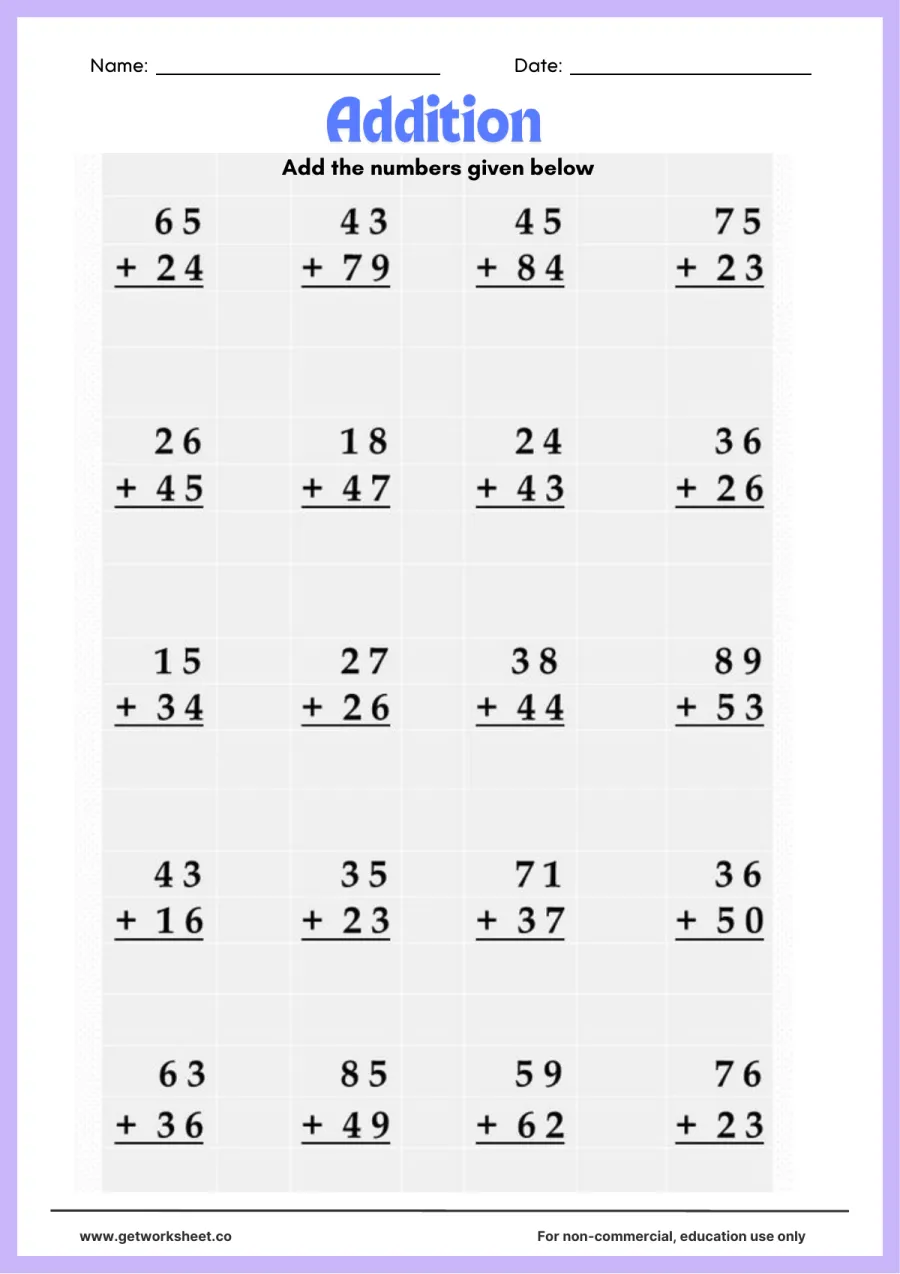
2-digit column addition on grid paper: 20 sums past 100
Add pairs of two-digit numbers vertically on a squared grid, including 43 + 79, 45 + 84 and 89 + 53 that cross 100; 20 problems.
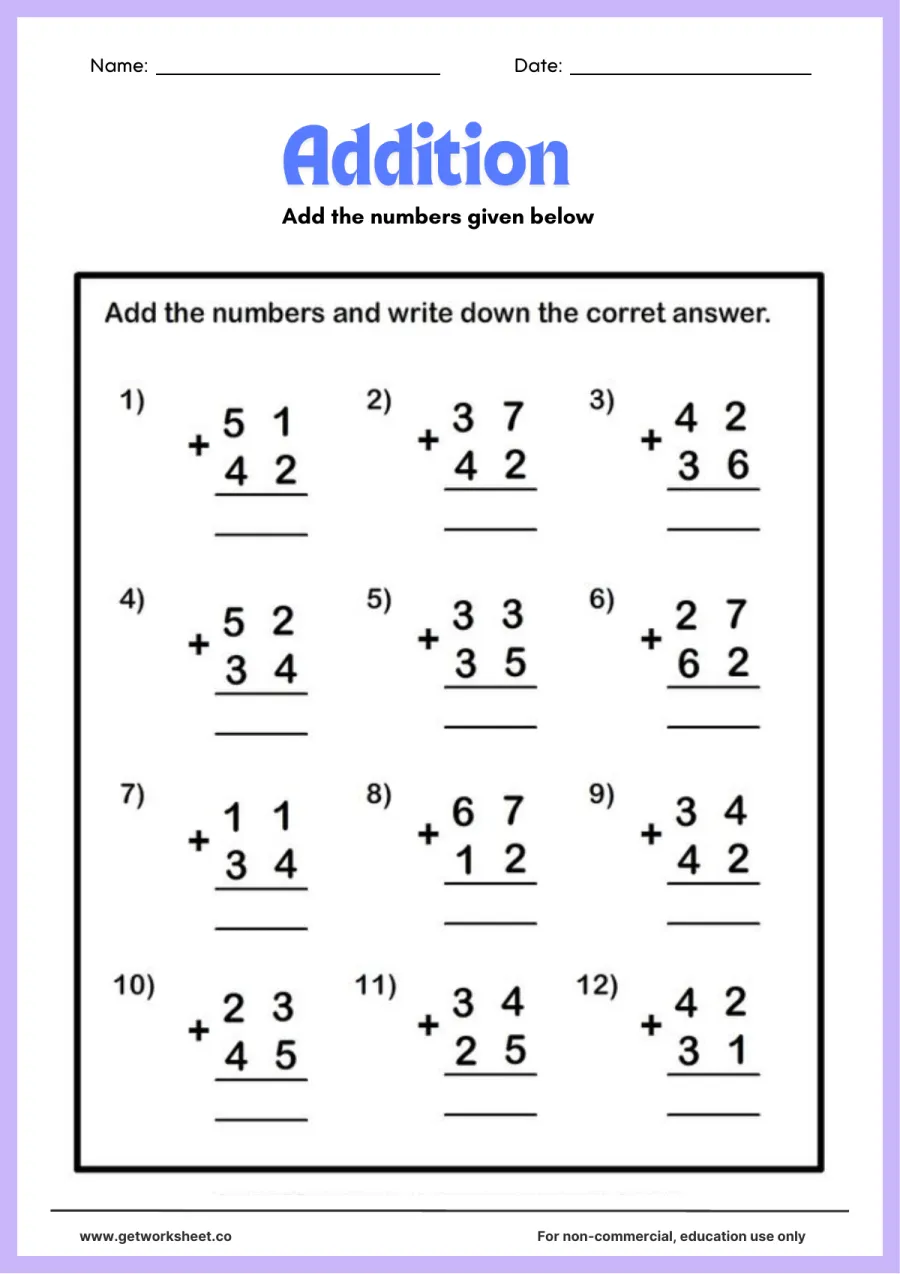
2-digit addition without regrouping, set 2 (12 problems)
Twelve larger-print vertical sums with no carrying, numbered for easy marking. Free printable PDF.
AI worksheet generator
Make a worksheet like this for your class
The 5 sheets above are fixed. The generator writes a new 2 digit addition worksheet for your grade, with the question types and count you choose, in about 20 seconds. Pick a grade to start:
What you get
- A fresh set of questions on 2 digit addition, not a copy of the sheets above
- Multiple choice, fill in the blanks, true or false, open ended
- Answer key and print-ready PDF with Pro
Free account, 1 worksheets a week. No card.
Double-digit addition is the first place children have to hold two ideas at once: add the ones, then add the tens, and sometimes carry a ten across. These five worksheets take the skill in the order most first and second grade classrooms teach it. Two sheets without regrouping let children get the column routine right (ones first, then tens) when nothing carries. One sheet with regrouping introduces the carried ten. Two column sheets mix the two, first with sums mostly under 100 and then, on grid paper, with sums past 100 so the hundreds column appears for the first time. Answer keys are included where the sheet has answers.
What's in this set
- 2-digit addition without regrouping, set 1. Twenty column problems where no column adds past 9, so the answer is just ones plus ones and tens plus tens. The starting sheet.
- 2-digit addition with regrouping. Twenty problems where the ones column adds to 10 or more. There is a small box above the tens column to write the carried 1.
- 2-digit column addition: 16 problems, sums mostly under 100. A mix of regrouping and no regrouping so children have to look before they add.
- 2-digit column addition on grid paper: 20 sums past 100. Squared paper keeps the digits in their columns; several answers have three digits, which introduces the hundreds place.
- 2-digit addition without regrouping, set 2. Twelve more no-carry problems for a second day or for children who need the routine again before regrouping.
What students will practice
- Adding two 2-digit numbers using place value: ones with ones, tens with tens (1.NBT.C.4, 2.NBT.B.5)
- Regrouping ten ones as one ten and recording the carried ten (2.NBT.B.5, 2.NBT.B.9)
- Lining up digits in columns, including a hundreds column when the sum passes 100 (2.NBT.B.6)
- Deciding whether a problem needs regrouping before starting
- Checking answers by estimating: 48 + 37 is about 50 + 40, so the answer should be near 90
Free printable makers
Make your own 2 digit addition sheets
Type your own words or numbers and print in about 30 seconds. No account, no AI, answer key where it applies.
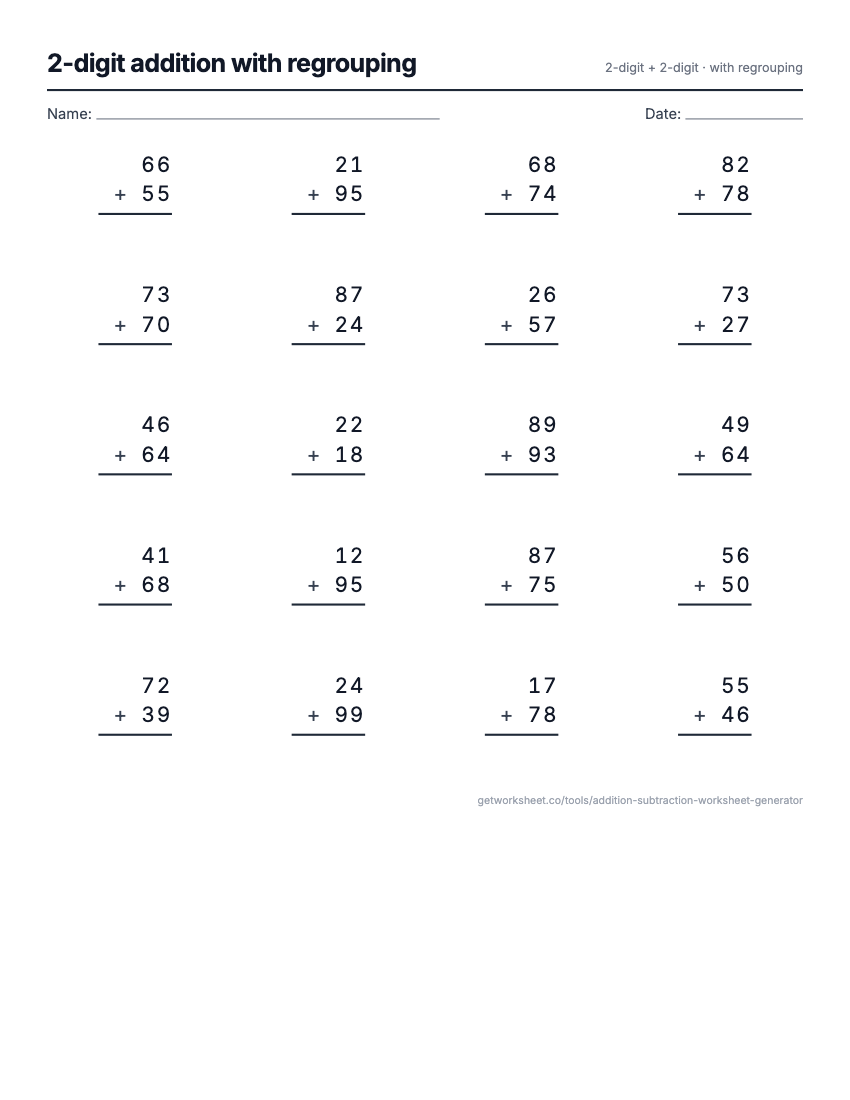 Addition and subtraction generatorColumn add and subtract, regrouping you control, boxes and key. Free to print.
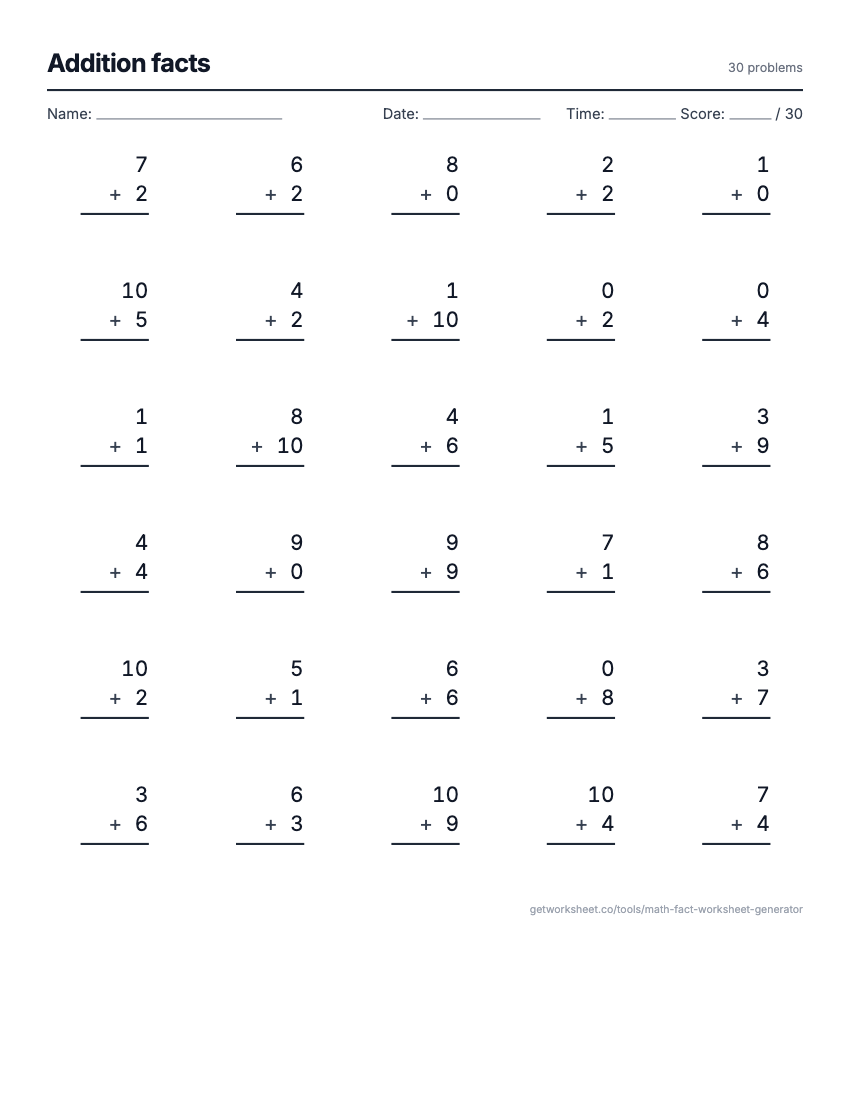 Math fact worksheet generatorAddition to division drills with an answer key. Free to print.
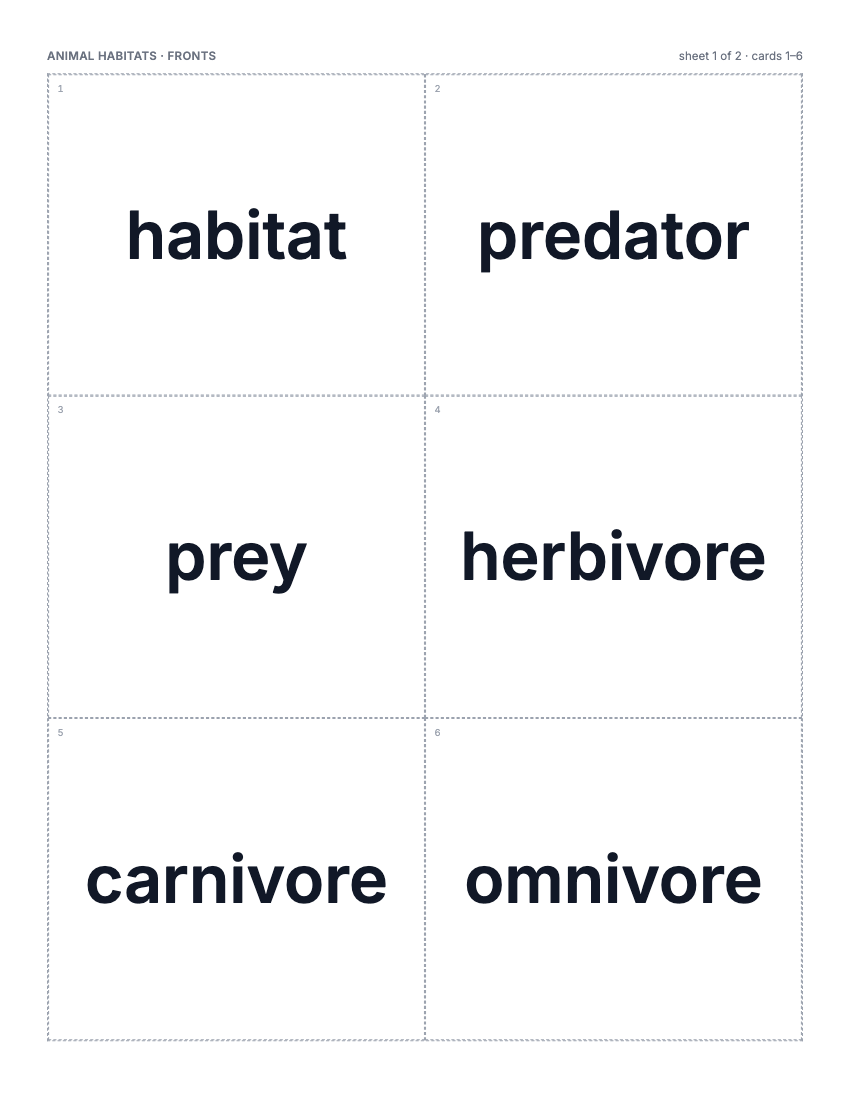 Flashcard makerVocabulary, math fact or sight word cards, 2-8 a page, two-sided or fold-over. Free to print.
AI worksheet generator
Need a different 2 digit addition worksheet?
Generate a custom 2 digit addition worksheet: pick the grade, question types and count, and print it in about 20 seconds. Free accounts get 1 generation a week.
How to use these worksheets
Print at 100% on A4 or US Letter. Start with set 1 (no regrouping) and do not move to the regrouping sheet until children can explain why they add the ones first. Keep the grid paper sheet for last.
- Say the columns. Have children touch the ones column and say "ones first" before every problem. The most common error is adding the tens first and then not knowing where the carried ten goes.
- Model regrouping with base-ten blocks or the ten frames. Trade ten ones for a ten rod before writing the small 1. The written carry only makes sense after the physical trade.
- Mixed sheets: decide first. On the column sheets ask children to circle the problems that will need regrouping before they solve any. This turns a mechanical page into a thinking one.
- Grid paper. One digit per square. When the answer needs a hundreds digit, it goes in the empty square to the left, which is the whole point of that sheet.
- Estimate to check. Round both numbers to the nearest ten and add; if the answer is far from the estimate, look for a missed carry.
Common mistakes to watch for
- Writing both digits in the ones column (7 + 5 = 12, so the child writes 12 under the ones). Show the trade: 12 ones is 1 ten and 2 ones.
- Forgetting the carried ten when adding the tens. The small box above the tens column is there to be used; insist on it.
- Adding left to right. It works when nothing carries and breaks the moment something does, so fix the habit on the no-regrouping sheets.
- Misaligned digits when children copy problems. The grid paper sheet exists for this reason.
Frequently asked questions
What grade are 2-digit addition worksheets for?
Late first grade for addition without regrouping, and second grade for regrouping and sums past 100, following the Common Core sequence (1.NBT.C.4 then 2.NBT.B.5 to B.7). Third graders who still lose the carried ten also benefit from the mixed column sheets.
Do the sheets include answer keys?
Yes. Every sheet has the answers on its second page.
Should children learn regrouping or "carrying"?
They are the same thing. US classrooms now say regrouping because it describes what happens (ten ones are regrouped as one ten); many parents learned it as carrying. Use whichever word the child's teacher uses, and show the trade with blocks either way.
Is this set free for classroom use?
Yes, for non-commercial educational use: a class set, a homeschool group or a tutoring session are all fine.
More practice
Before this set, the addition worksheets cover single-digit facts and the doubles addition worksheets build the doubles and near-doubles facts children use to add quickly. The ten frame worksheets show what regrouping a ten looks like, and the subtraction worksheets are the natural next step. For place value practice, see the hundreds chart worksheets.
Free library
Related collections
Free doubles addition worksheets
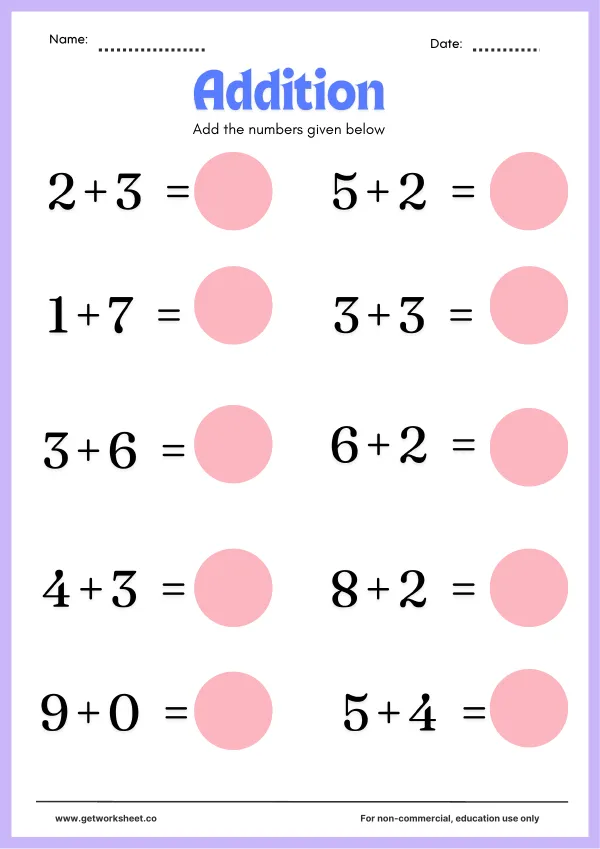
Free addition worksheets
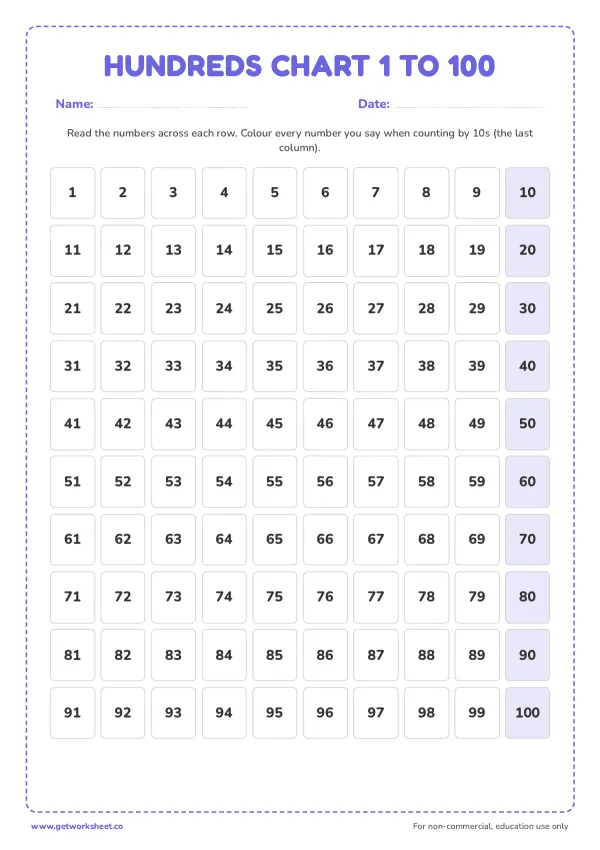
Free hundreds chart worksheets
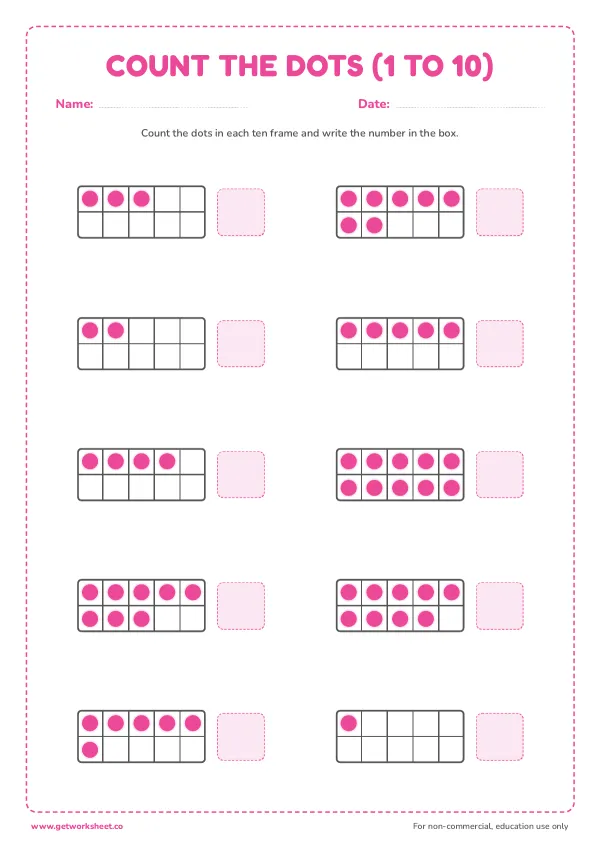
Free ten frame worksheets
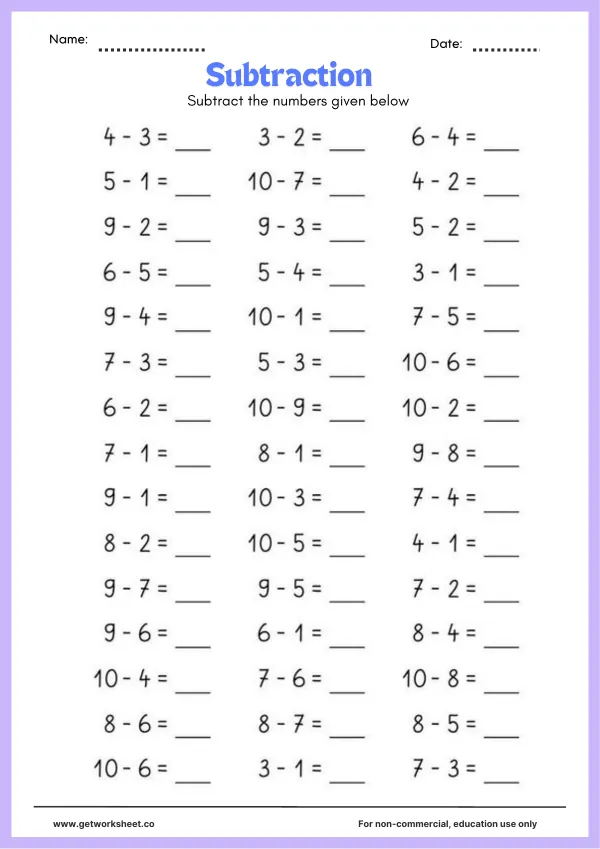
Free subtraction worksheets (within 10 and 20)
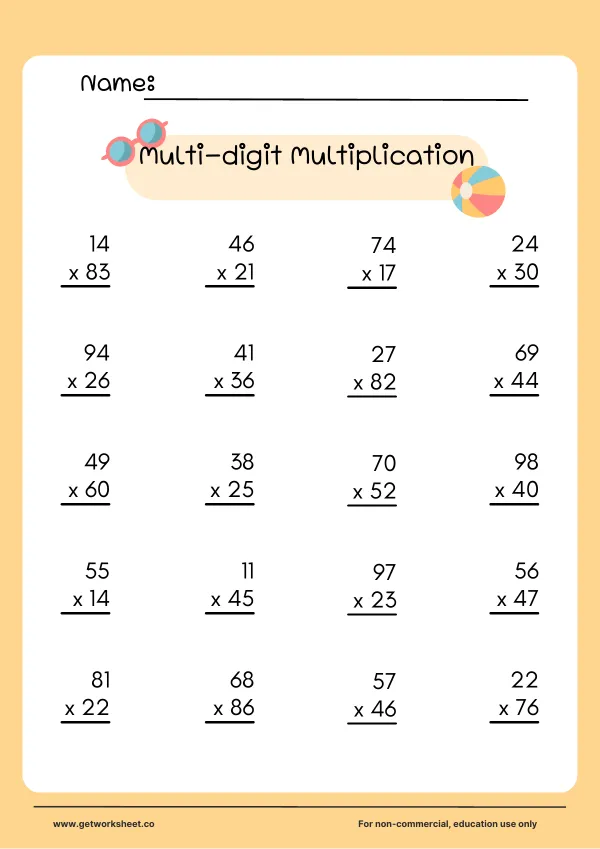
Free multi-digit multiplication worksheets
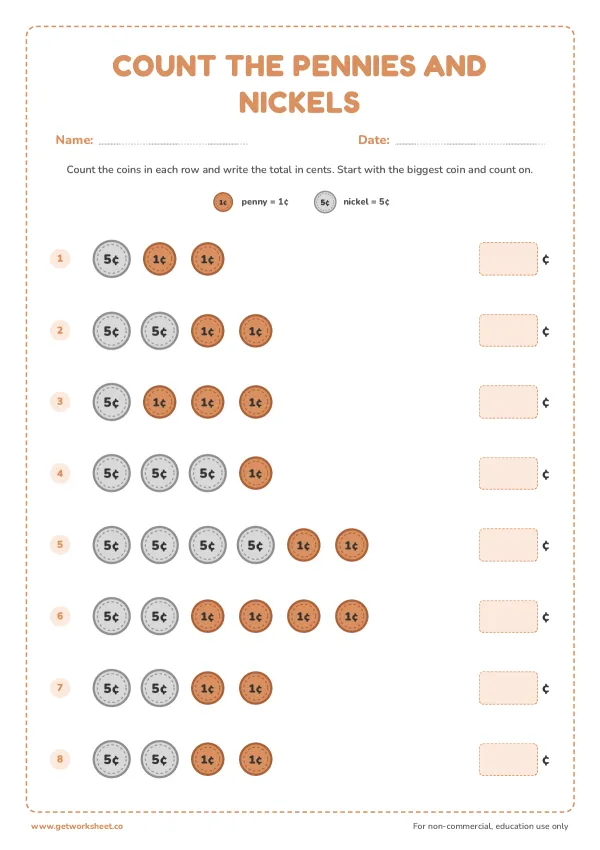
Free counting money worksheets (US coins)
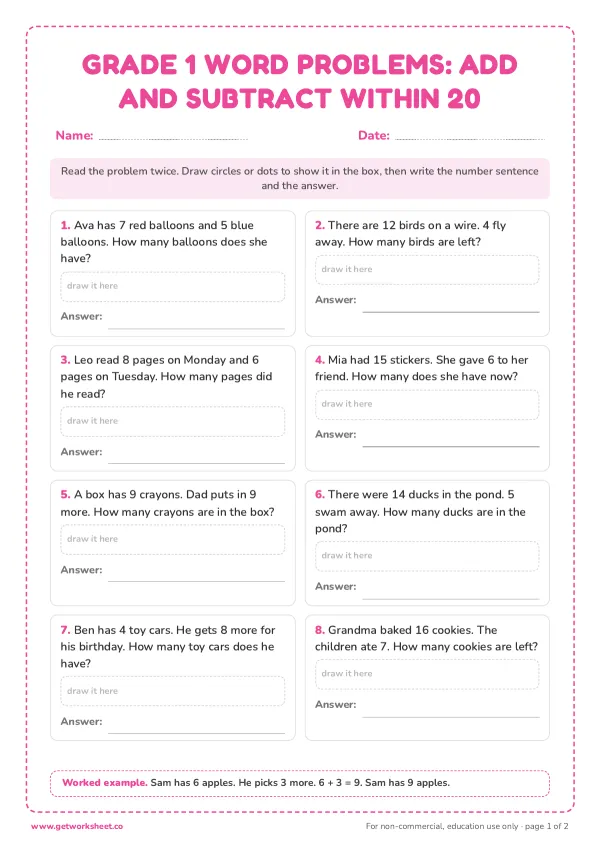
Free math word problems worksheets (grades 1 to 5)
More worksheets
- Free fractions worksheets
- Free place value worksheets
- Free printable multiplication charts
- Free angles worksheets
- Free number line printables
- Free graph paper printables
- Free heart tracing worksheets
- Free Montessori math worksheets: one from every material
- Free shape tracing worksheets
- Free Halloween math worksheets
- Free number 20 tracing worksheets
- Free number 19 tracing worksheets