Maths · Kindergarten–Grade 2
Free subtraction worksheets (within 10 and 20)
Five printable subtraction worksheets for kindergarten and grade 1: subtraction facts within 10 in three formats, a match-the-answer sheet, and column subtraction within 20. Answer keys on this page.
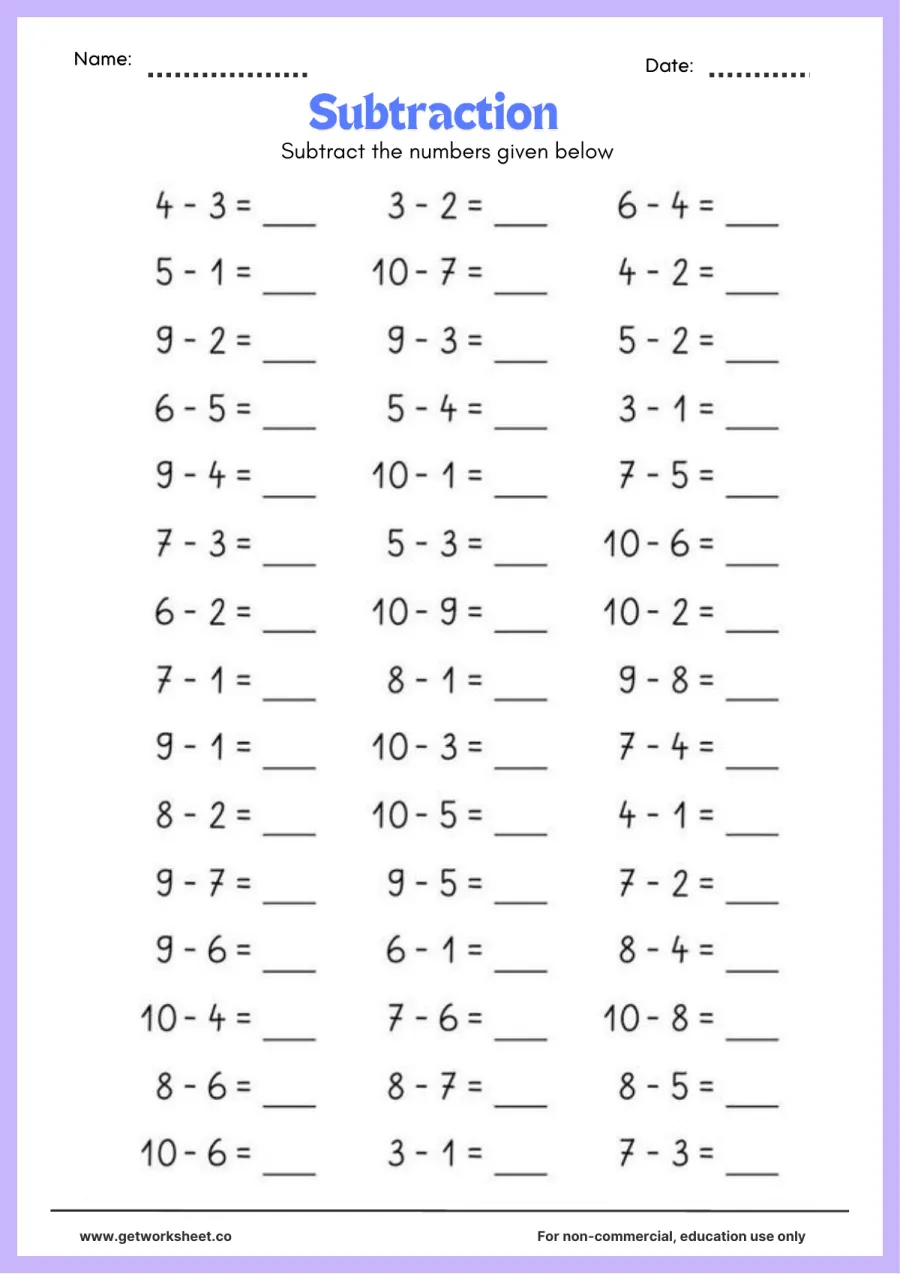
45 subtraction facts within 10, horizontal format
Subtract single-digit numbers from 3 to 10, such as 4 - 3 and 10 - 7, and write each answer on the line; 45 facts in three columns.
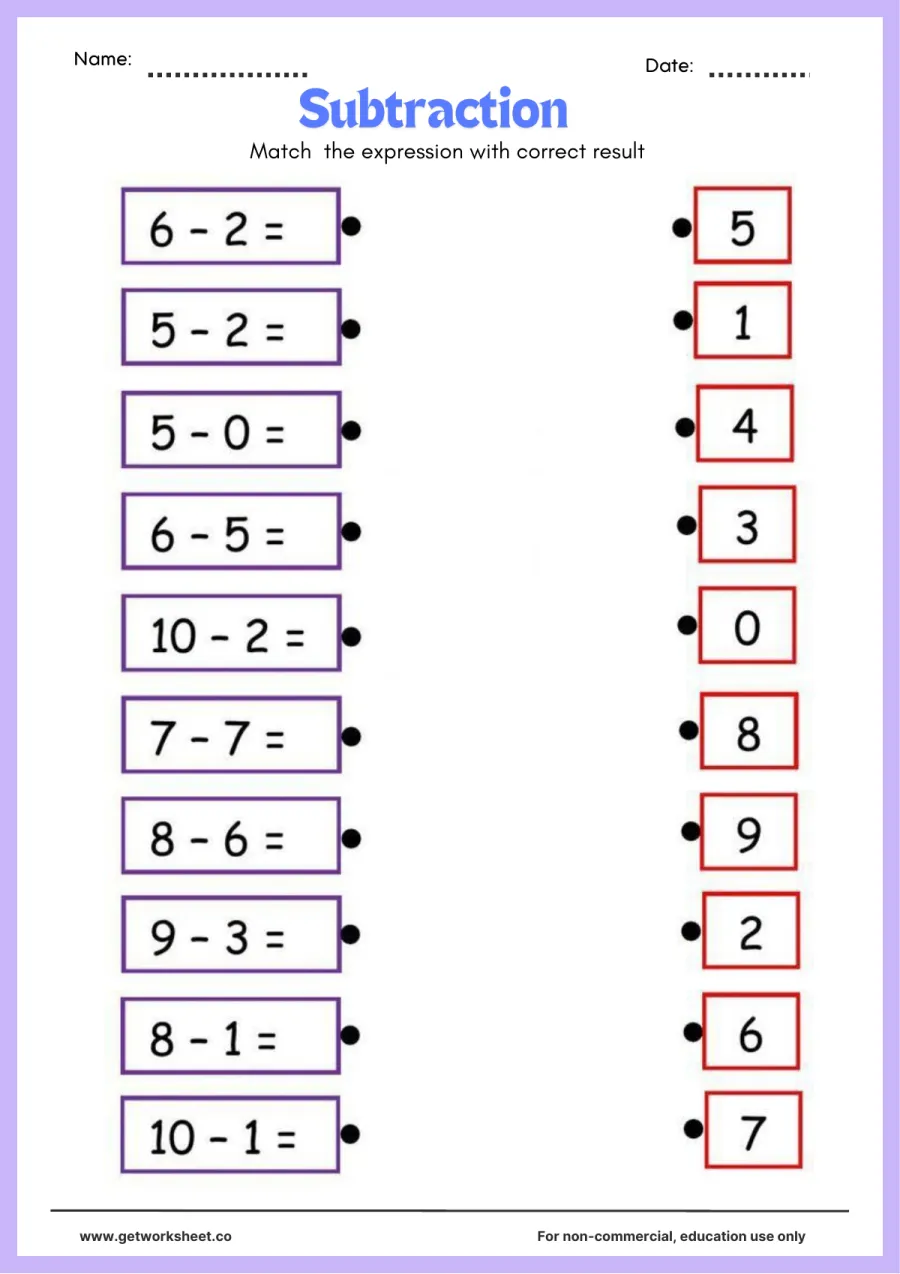
Match the subtraction to its answer
Ten expressions within 10, including 5 − 0 and 7 − 7, to join to the answers 0 to 9. Low-stress practice.
Whole set
All 5 in one PDF
- Every sheet on this page, one file
- No ads, no countdowns, print as often as you like
- Instant download, ad-free, no account needed
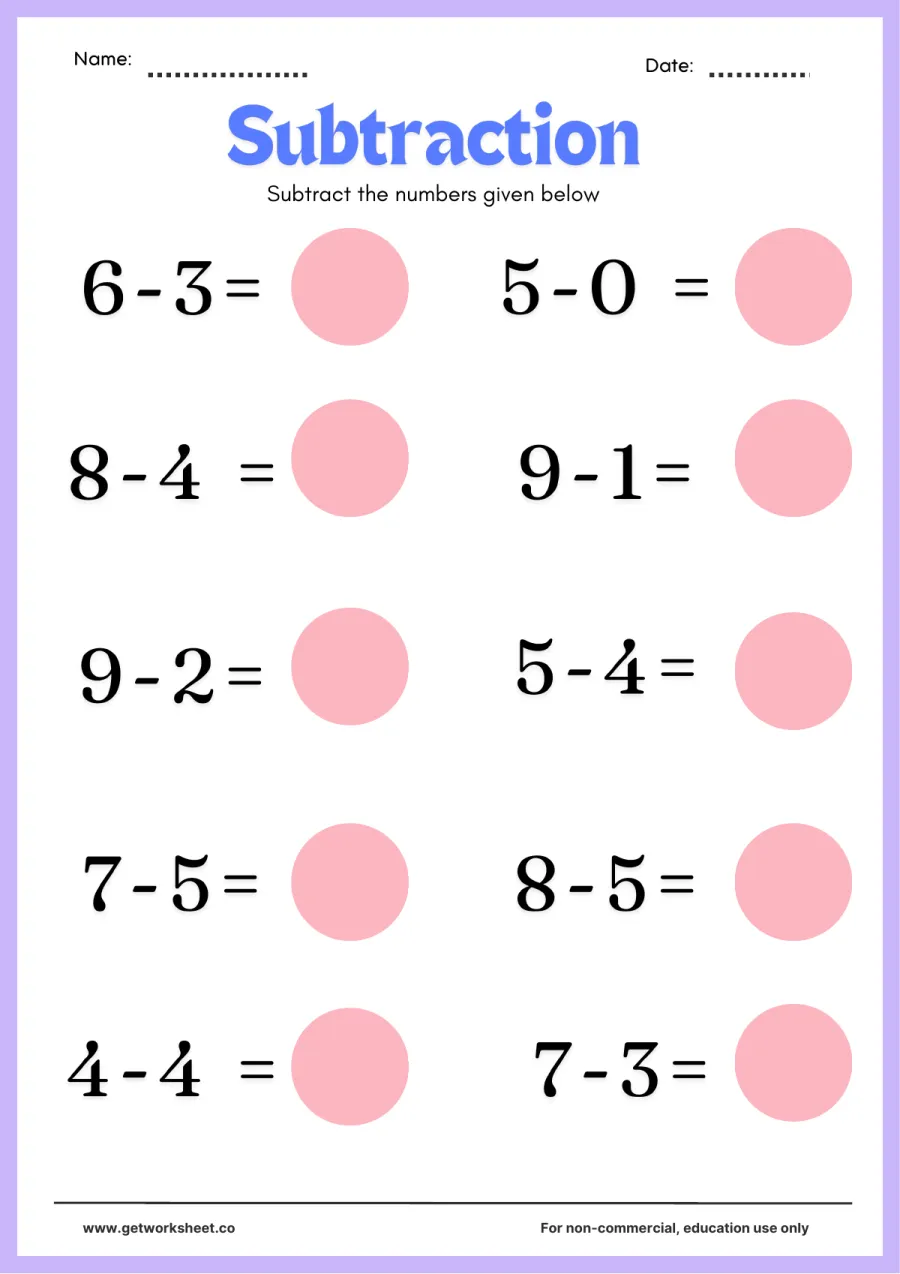
Ten large-print facts within 10 (A)
6 − 3, 8 − 4, 9 − 2 and seven more in big numerals with answer circles. Kindergarten.
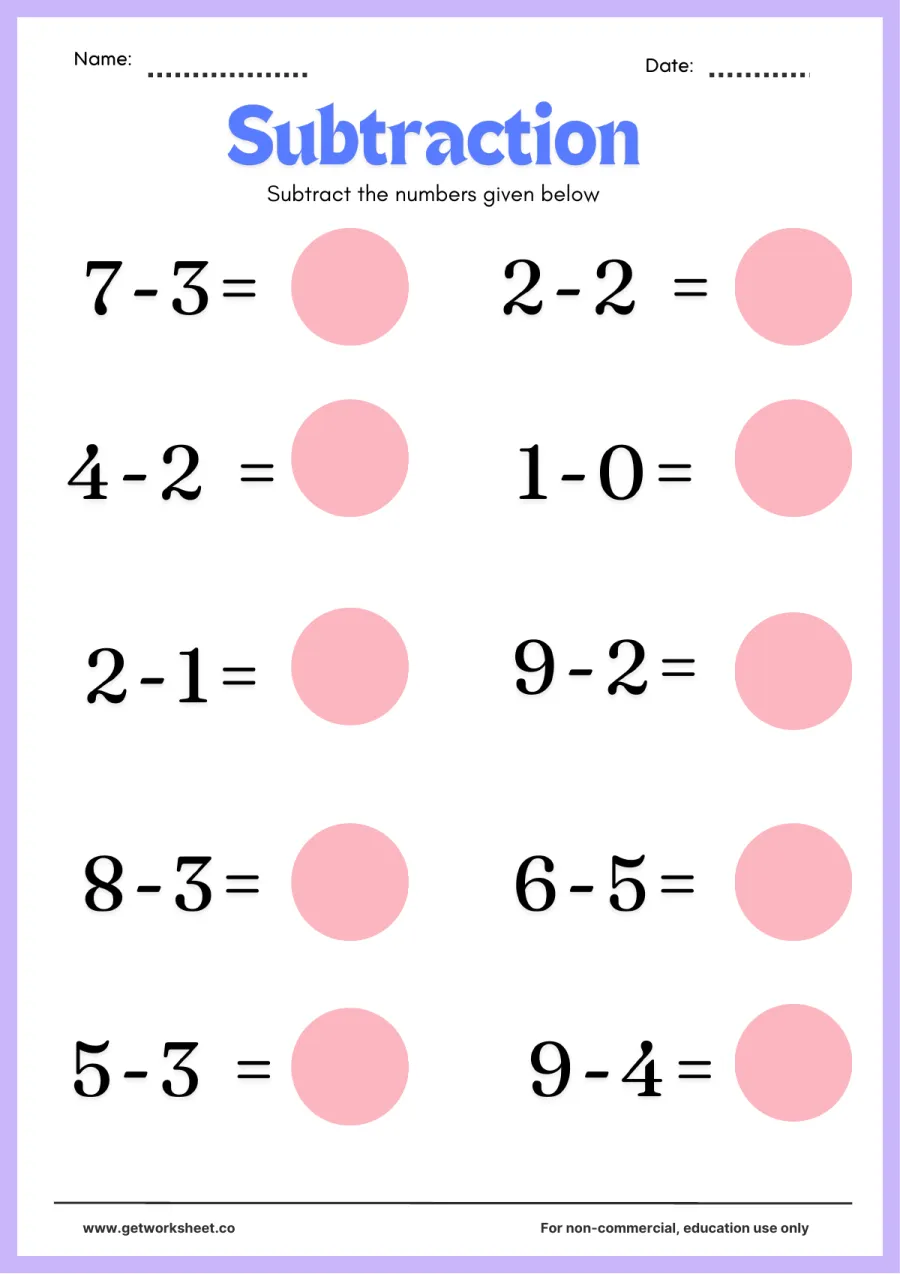
Ten large-print facts within 10 (B)
Same layout as sheet 3 with new facts (7 − 3, 2 − 2, 8 − 3). Use as the retake.
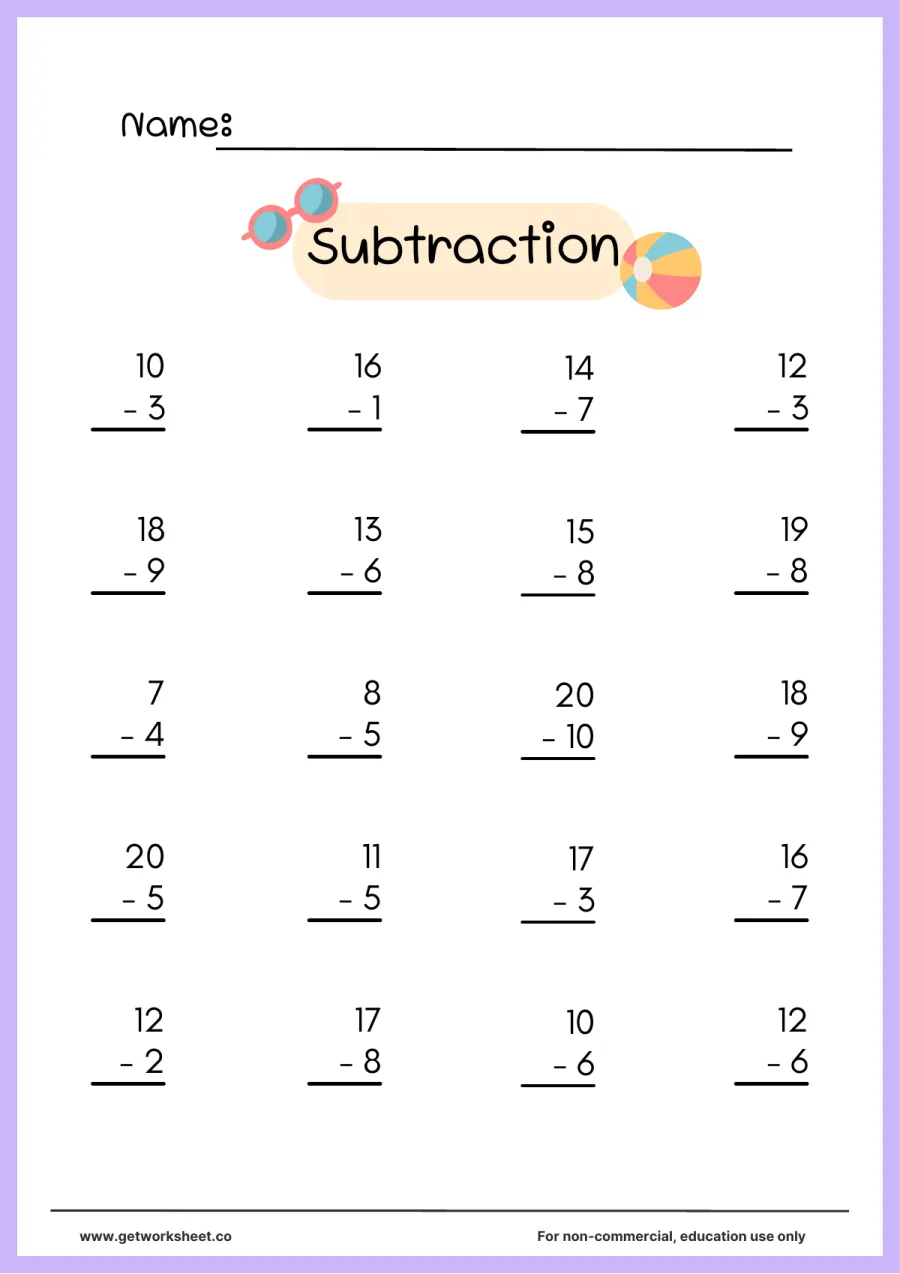
20 column subtraction problems within 20
Subtract one- and two-digit numbers from numbers up to 20 in vertical format, such as 16 - 1, 18 - 9 and 20 - 10; 20 problems.
AI worksheet generator
Make a worksheet like this for your class
The 5 sheets above are fixed. The generator writes a new subtraction (within 10 and 20) worksheet for your grade, with the question types and count you choose, in about 20 seconds. Pick a grade to start:
What you get
- A fresh set of questions on subtraction (within 10 and 20), not a copy of the sheets above
- Multiple choice, fill in the blanks, true or false, open ended
- Answer key and print-ready PDF with Pro
Free account, 1 worksheets a week. No card.
These five worksheets cover the two subtraction milestones of the early grades: fluency within 10 (kindergarten and the start of grade 1) and subtraction within 20 (grade 1 and 2). The first four sheets stay within 10 and change format rather than difficulty, so a child who is not yet fluent gets four different-looking chances at the same facts. The fifth sheet moves to column layout and numbers to 20, including facts that cross ten such as 14 − 7 and 15 − 8.
What's in this set
- 42 facts within 10, horizontal. Three columns of fourteen (4 − 3, 10 − 7, 9 − 2 …). Every minuend from 3 to 10 appears; no zeros. A two-minute fluency check for the end of kindergarten.
- Match the expression to the answer. Ten expressions on the left (6 − 2, 5 − 2, 5 − 0, 6 − 5, 10 − 2, 7 − 7, 8 − 6, 9 − 3, 8 − 1, 10 − 1) and the ten answers 0 to 9 on the right. Draw the lines. Includes subtracting 0 and a number from itself.
- Ten large-print facts with answer circles. 6 − 3, 5 − 0, 8 − 4, 9 − 1, 9 − 2, 5 − 4, 7 − 5, 8 − 5, 4 − 4, 7 − 3. Big numerals for children still forming digits.
- Ten more large-print facts. 7 − 3, 2 − 2, 4 − 2, 1 − 0, 2 − 1, 9 − 2, 8 − 3, 6 − 5, 5 − 3, 9 − 4. Same layout as sheet 3, so it works as the retake.
- Twenty column problems within 20. Vertical layout (10 − 3, 16 − 1, 14 − 7, 18 − 9, 20 − 10 …). Eight of the twenty cross ten, which is the grade 1 target skill; the rest are teen-minus-ones (13 − 3 type) and facts within 10.
What students will practice
- Subtraction facts within 10 to fluency (Common Core K.OA.A.5, 1.OA.C.6)
- Reading a subtraction sentence in horizontal, matching and column formats
- Subtracting zero and subtracting a number from itself (the 7 − 7 = 0 idea)
- Subtraction within 20, including crossing ten by "make ten" or counting up (1.OA.C.6, 2.OA.B.2)
- Using the related addition fact: 13 − 6 is "6 and what makes 13?"
Free printable makers
Make your own subtraction (within 10 and 20) sheets
Type your own words or numbers and print in about 30 seconds. No account, no AI, answer key where it applies.
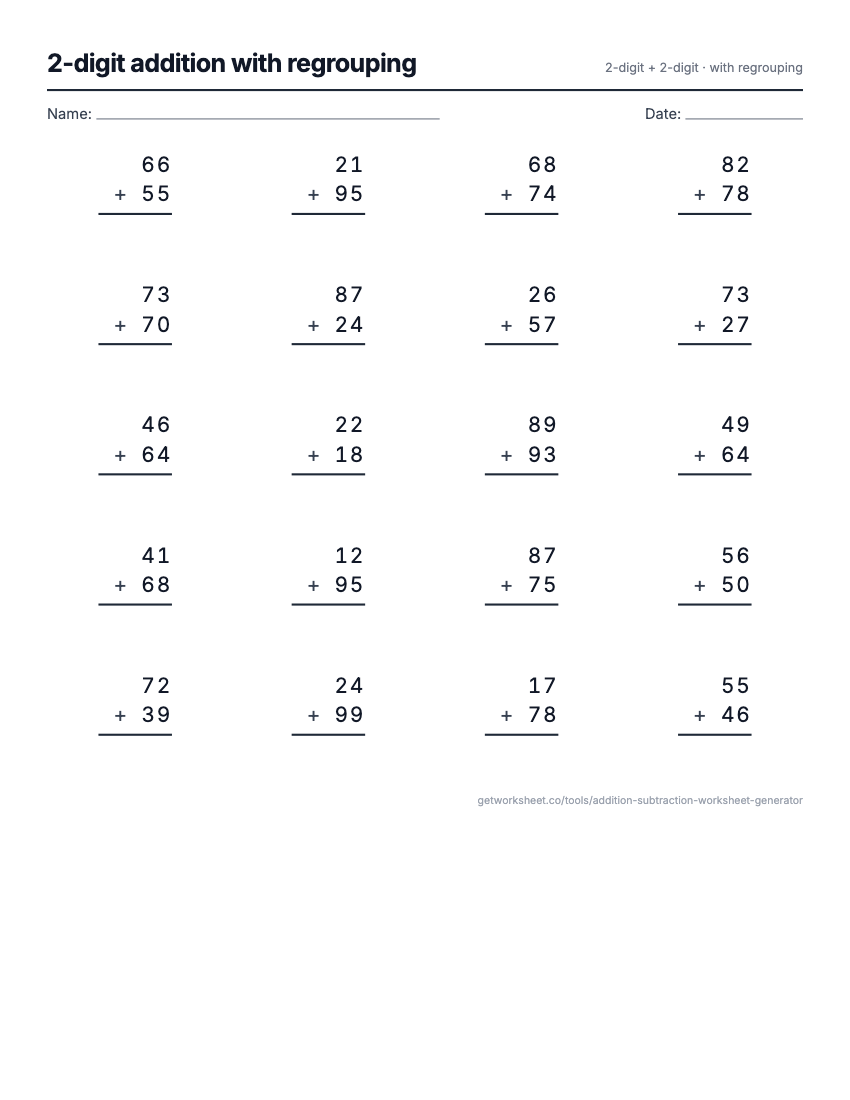 Addition and subtraction generatorColumn add and subtract, regrouping you control, boxes and key. Free to print.
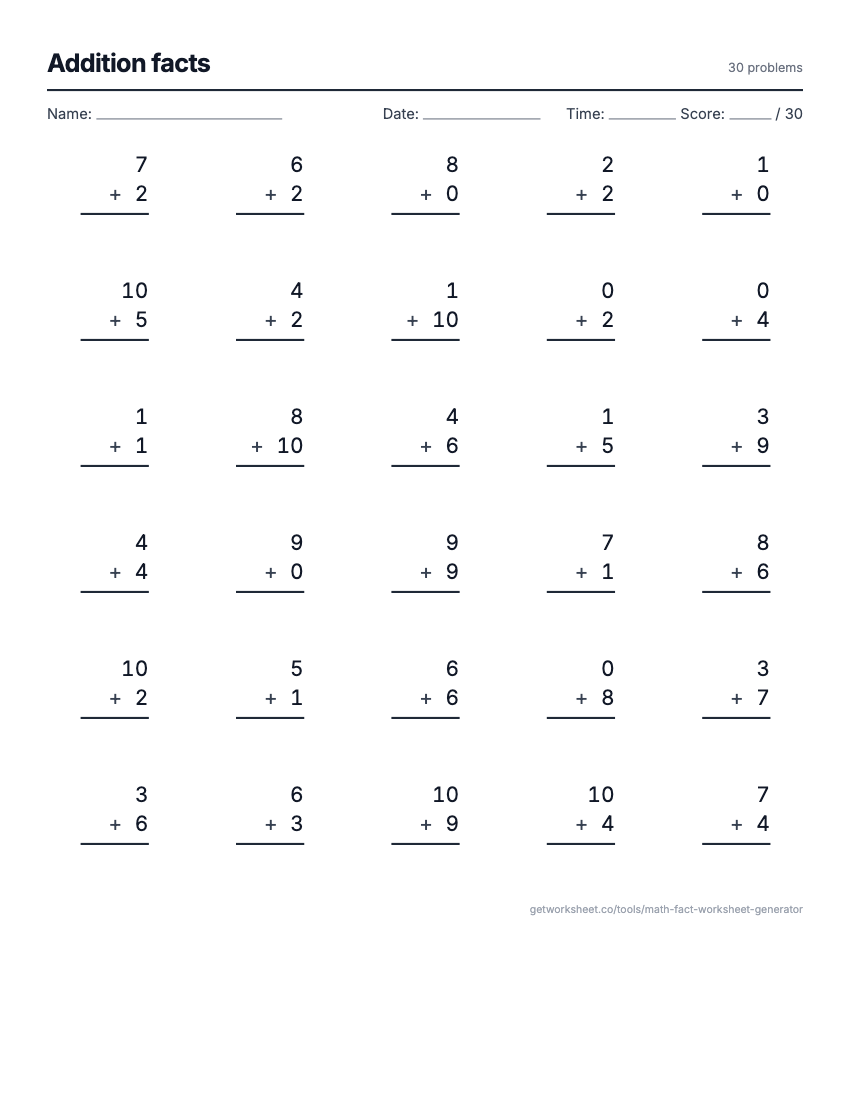 Math fact worksheet generatorAddition to division drills with an answer key. Free to print.
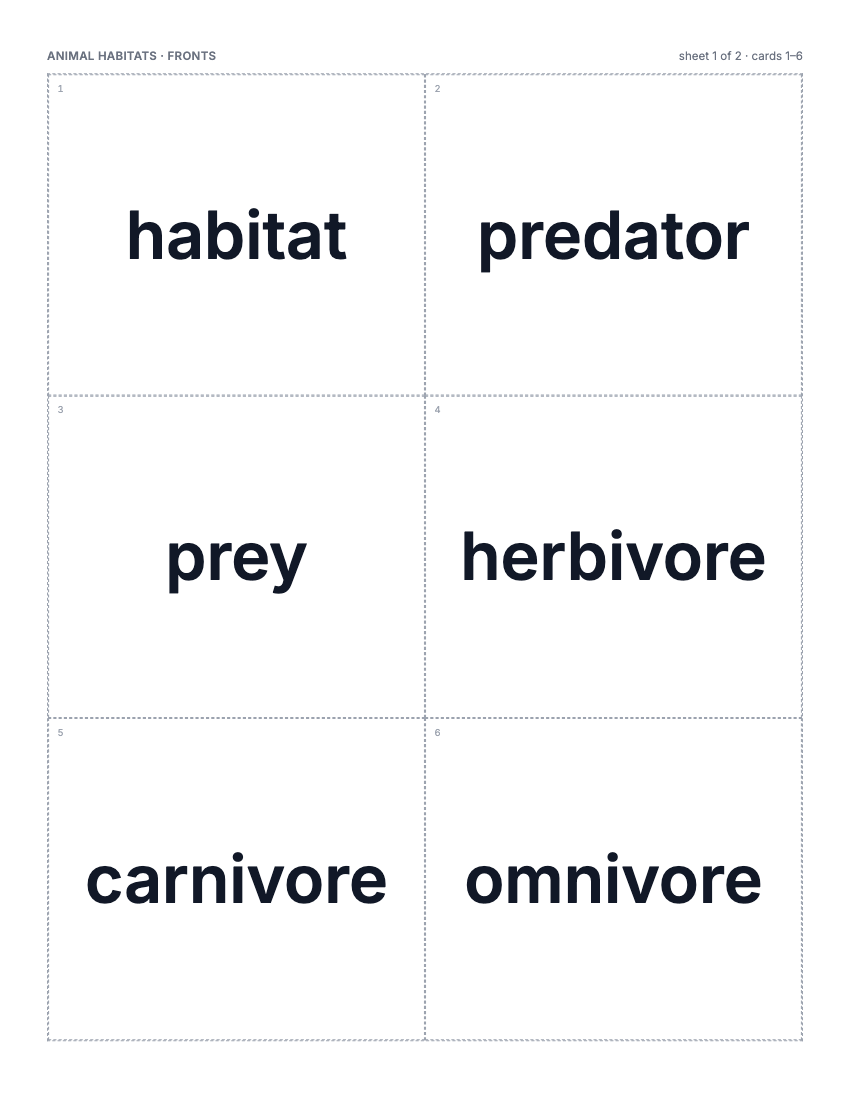 Flashcard makerVocabulary, math fact or sight word cards, 2-8 a page, two-sided or fold-over. Free to print.
AI worksheet generator
Need a different subtraction (within 10 and 20) worksheet?
Generate a custom subtraction (within 10 and 20) worksheet: pick the grade, question types and count, and print it in about 20 seconds. Free accounts get 1 generation a week.
Teaching tips and common mistakes
How to use these worksheets in class
- Kindergarten: sheets 3 and 4 first. Ten problems in large print, with counters or fingers allowed. Ask children to draw the first number as dots and cross out the second before writing the answer in the circle.
- Grade 1, term 1: sheet 2 as a partner activity (one reads, one finds), then sheet 1 as a timed check. A reasonable target is 42 facts in three minutes with no more than two errors by mid-year.
- Grade 1, term 2 and grade 2: sheet 5. Introduce the column layout on the board with 14 − 7, showing the "make ten" route (14 − 4 = 10, 10 − 3 = 7) and the "count up from 7" route. Let children choose; ask them to mark which problems cross ten before they start.
- Intervention: if a child gets sheet 1 mostly right but is slow, the issue is retrieval, not understanding. Use sheet 2 daily for a week (matching is lower-stress than blank lines) and then re-time sheet 1.
- Homework: sheets 3, 4 and 5 fit a week of ten-minute homework. Send the answer list below to parents so they can mark it.
Answer keys
- Sheet 2 (matching): 6 − 2 = 4; 5 − 2 = 3; 5 − 0 = 5; 6 − 5 = 1; 10 − 2 = 8; 7 − 7 = 0; 8 − 6 = 2; 9 − 3 = 6; 8 − 1 = 7; 10 − 1 = 9.
- Sheet 3: 3, 5, 4, 8, 7, 1, 2, 3, 0, 4.
- Sheet 4: 4, 0, 2, 1, 1, 7, 5, 1, 2, 5.
- Sheet 5 (rows left to right): 7, 15, 7, 9 / 9, 7, 7, 11 / 3, 3, 10, 9 / 15, 6, 14, 9 / 10, 9, 4, 6.
- Sheet 1: all facts are within 10; answers range from 1 to 9 and children can self-check with a number line.
Common mistakes to watch for
- Subtracting the wrong way round. A child who writes 4 − 3 = 1 but 3 − 2 = 1 and 6 − 4 = 2 is fine; a child who writes 10 − 7 = 7 is reading the larger digit as the answer. Ask them to point to "the number we start with".
- Counting back with the start number included. For 9 − 4, counting "9, 8, 7, 6" gives 6. Model counting back four jumps on a number line.
- Zero confusion. 5 − 0 = 0 and 7 − 7 = 7 are both common on sheet 2. Take five counters, take none away, ask how many are left.
- Column layout read as two separate numbers. On sheet 5, some children write 14 − 7 as 1 − 7 and 4 − 7. Keep sheet 5 until the horizontal facts are secure.
Frequently asked questions
What grade are these subtraction worksheets for?
Sheets 1 to 4 (within 10) are for kindergarten and the first half of grade 1. Sheet 5 (within 20, column format) is for grade 1 and grade 2. In England that is Reception to Year 2.
Is there any regrouping or borrowing?
No. Every problem is a single-digit or teen number minus a one-digit number (or 20 − 10). Eight problems on sheet 5 cross ten (14 − 7, 15 − 8), which is the mental step that prepares children for regrouping later.
Are answer keys included?
The PDFs are single pages. Answers for sheets 2 to 5 are listed above; sheet 1's 42 facts are all within 10 and quick to check with a number line.
How many subtraction facts should a grade 1 child do in a minute?
Fluency is usually defined as about 20 correct facts per minute with no errors by the end of grade 1. Sheet 1 has 42 problems, so two to three minutes is the benchmark.
Which subtraction strategy should I teach first?
Counting back for small differences (9 − 2), counting up for close numbers (9 − 7), and "think addition" for facts children already know as doubles or bonds. Sheet 2 pairs well with the doubles and number-bond sets linked below.
Related early number worksheets
Subtraction facts come faster when the addition facts are secure: see the doubles addition worksheets and number bonds worksheets. The ten frame worksheets give the picture behind crossing ten, and the missing number worksheets and before and after numbers worksheets build the counting-back skill. For children still learning to count objects, start with the count and color worksheets.
Free library
Related collections
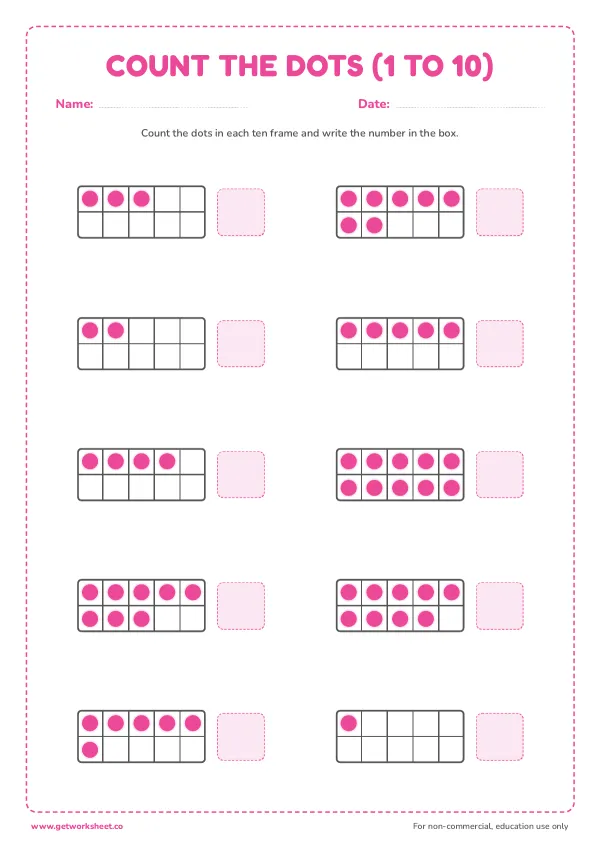
Free ten frame worksheets
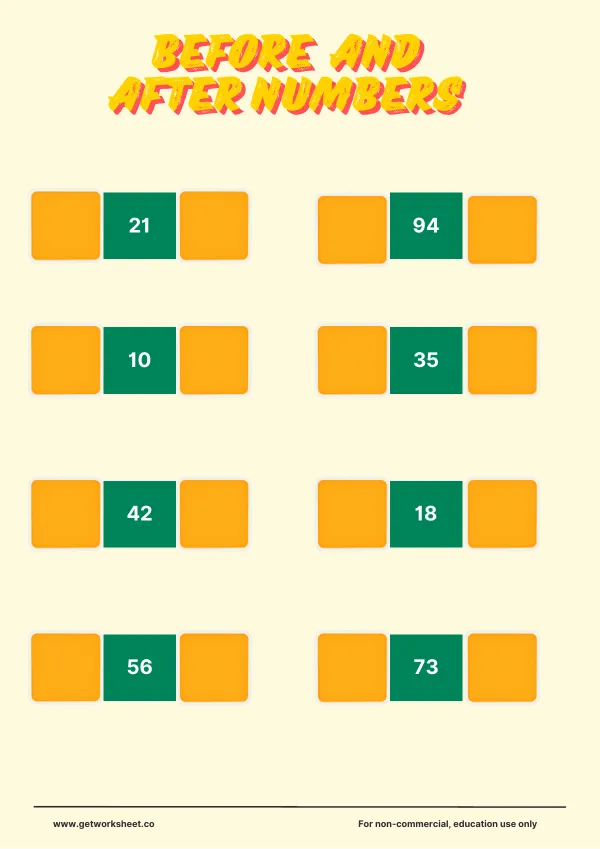
Free before and after numbers worksheets
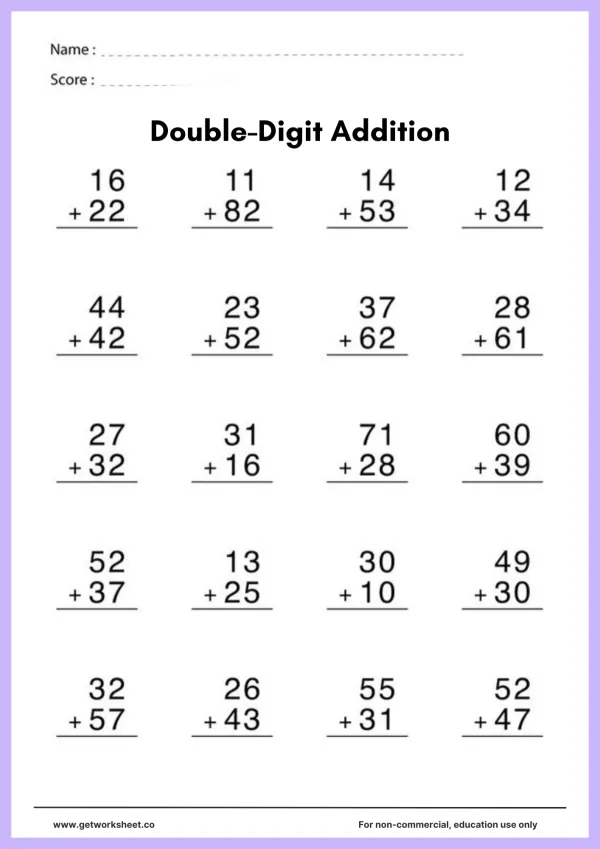
Free doubles addition worksheets
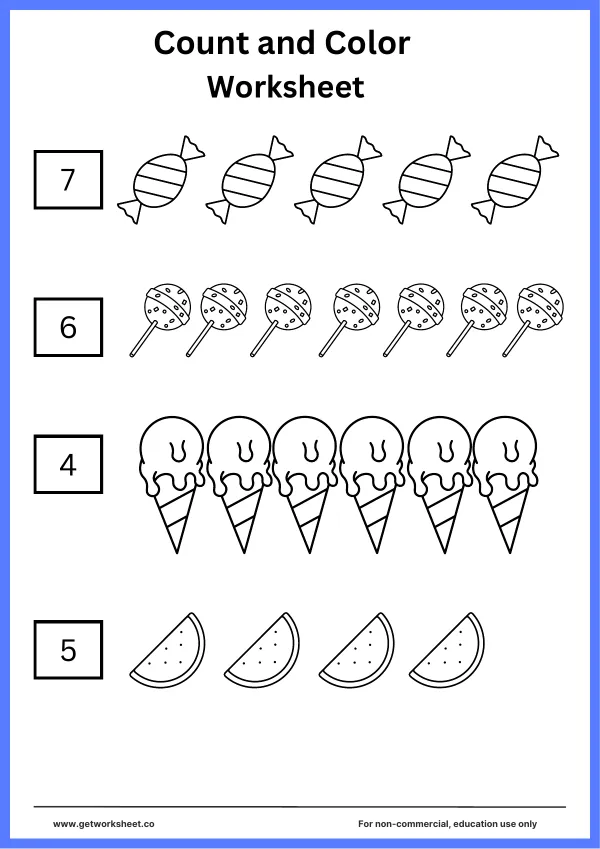
Free count and color worksheets
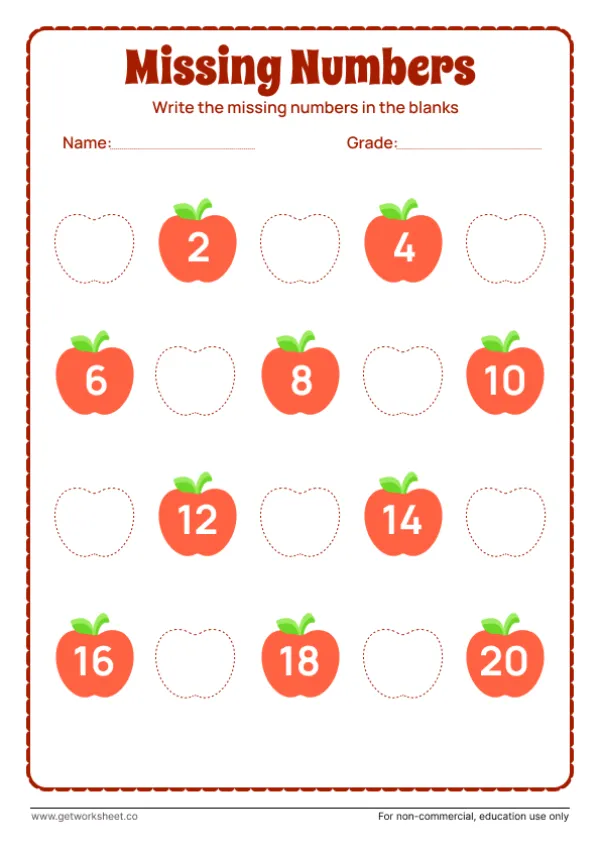
Free missing number worksheets
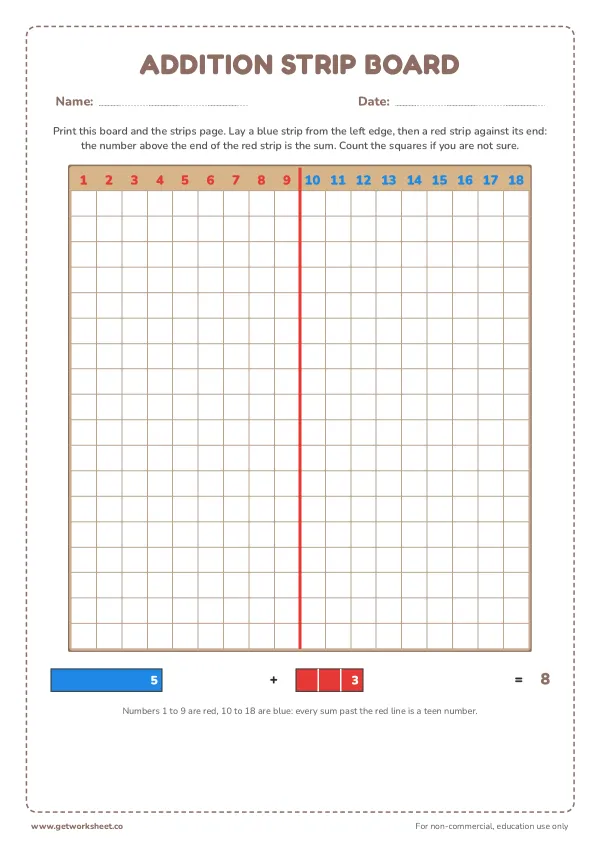
Free Montessori addition strip board worksheets
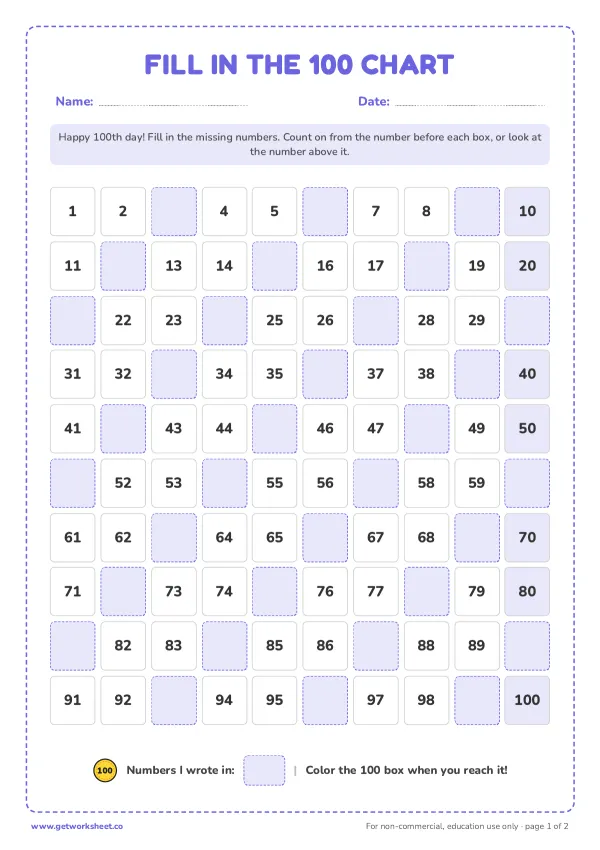
Free 100th day of school worksheets
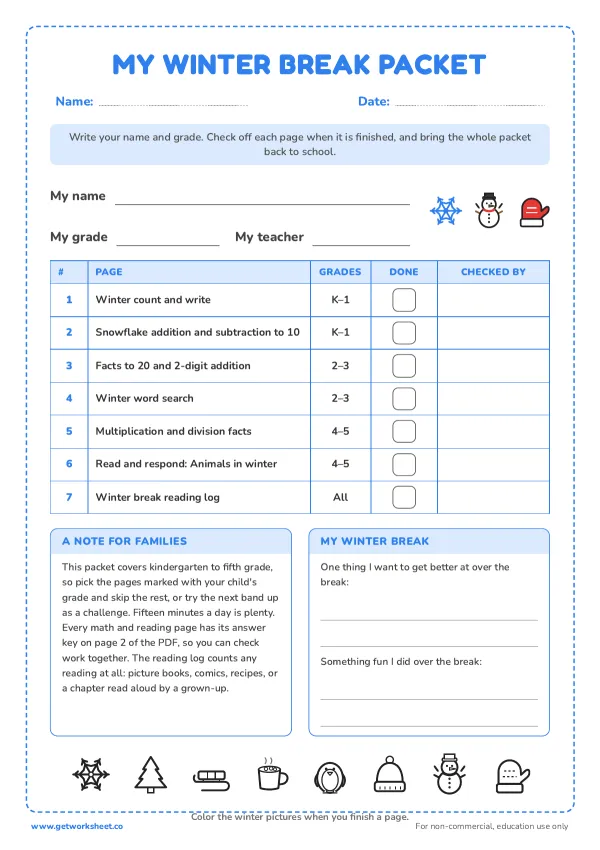
Free winter break packet worksheets
More worksheets
- Free Thanksgiving math worksheets
- Free greater than less than worksheets
- Free number line printables
- Free Halloween math worksheets
- Free Christmas math worksheets
- Free hundreds chart worksheets
- Free Montessori teen board and ten board worksheets
- Free Montessori place value worksheets (golden beads)
- Free Montessori hundred board worksheets
- Free repeating patterns worksheets
- Free addition worksheets
- Free 3D shapes worksheets