Maths · Preschool–Kindergarten
Free count and color worksheets
Five count and color worksheets with numbers to 10: sweets, pea pods, elephants and hats, apples and ducks, birds from 1 to 5, and seven rows of fruit from 3 to 9. Color exactly the number shown.
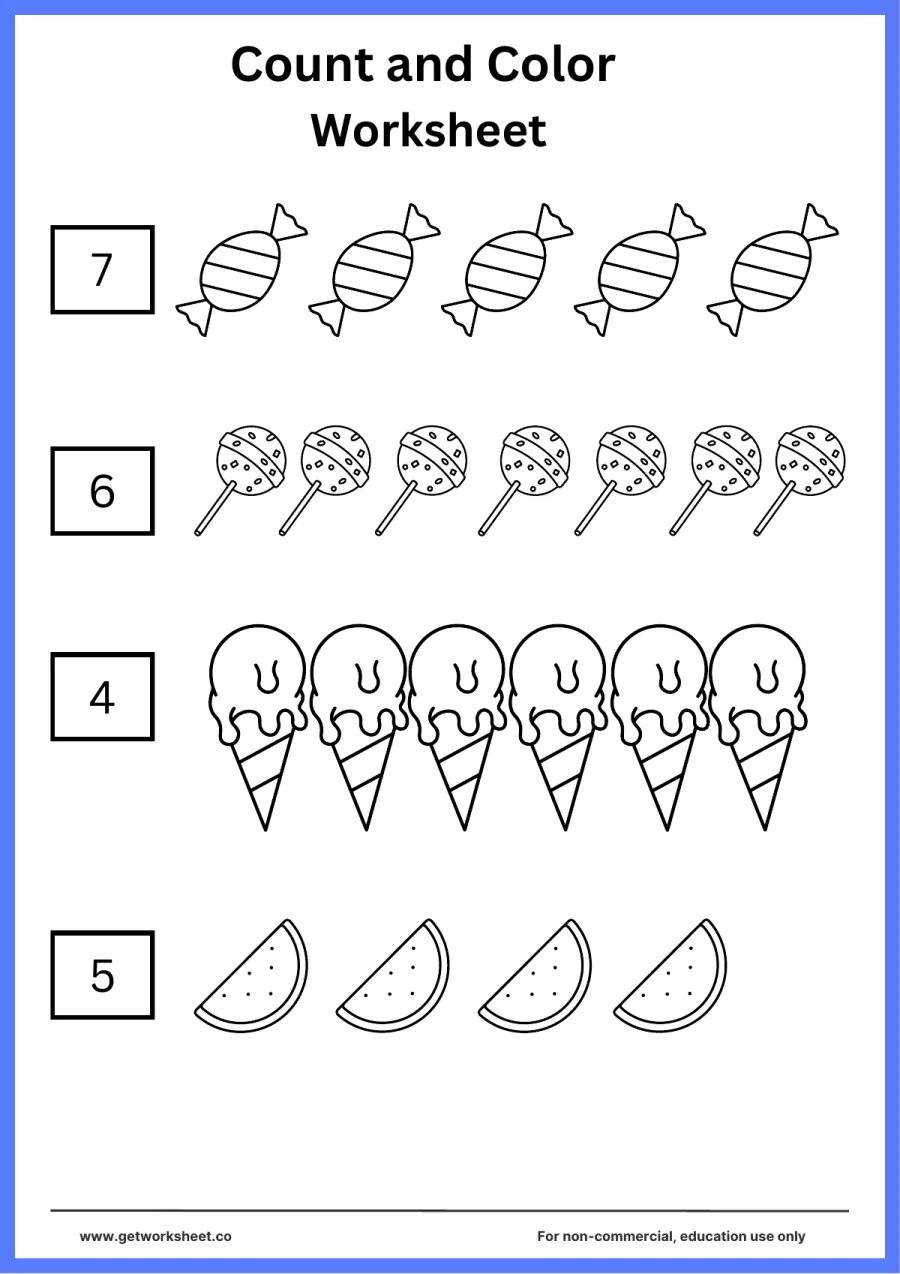
Count and color: 7 candies, 6 lollipops, 4 ice creams
Color the number of sweets shown in each box: 7 wrapped candies, 6 lollipops, 4 ice cream cones and 5 watermelon slices.
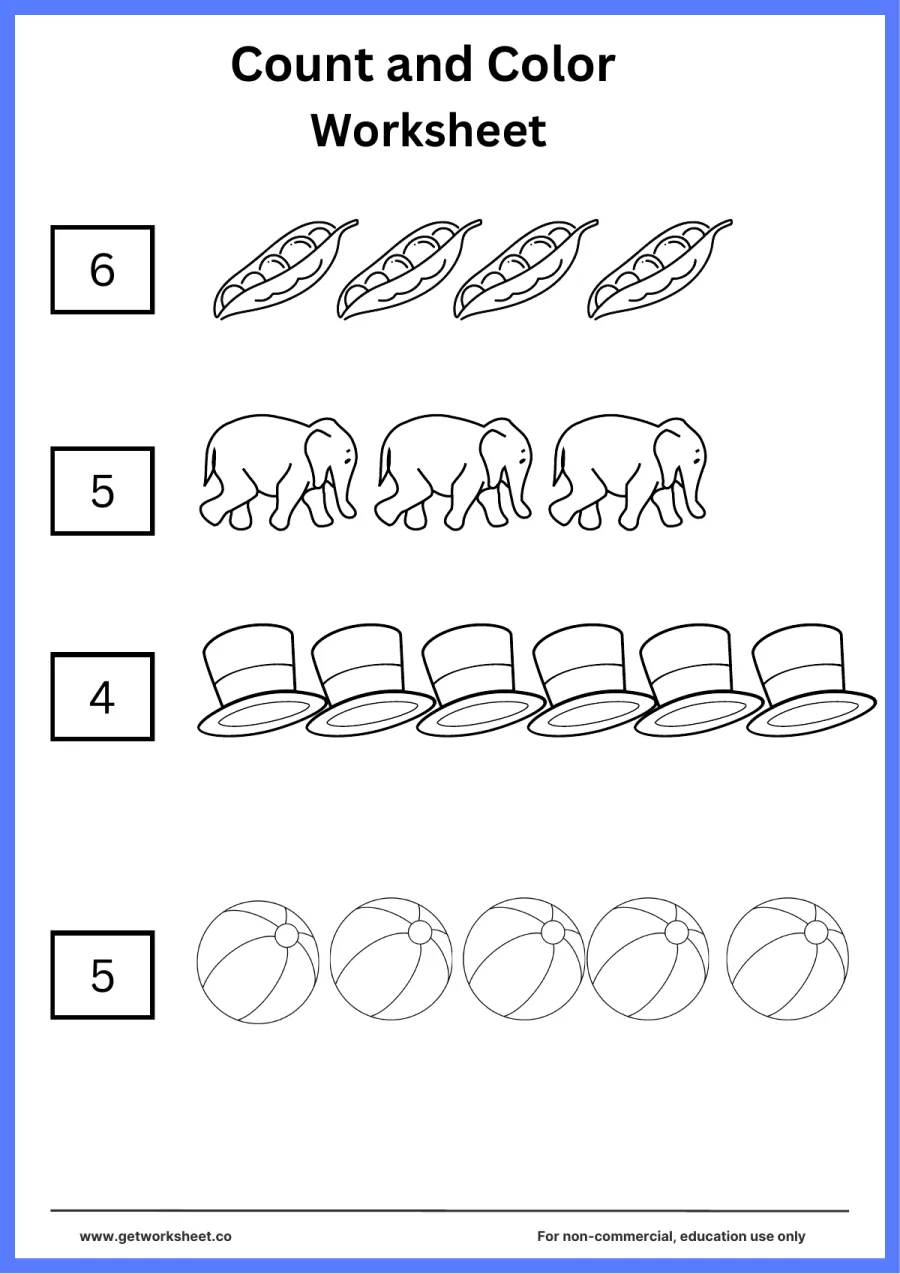
Count and color: 6 pea pods, 5 elephants, 4 hats
Color the number of objects shown in each box: 6 pea pods, 5 elephants, 4 top hats and 5 beach balls in four rows.
Complete pack
All 5 + 5 bonus, one PDF
- The 5 free sheets on this page
- 5 bonus sheets you will not find anywhere else
- Instant download, ad-free, no account needed
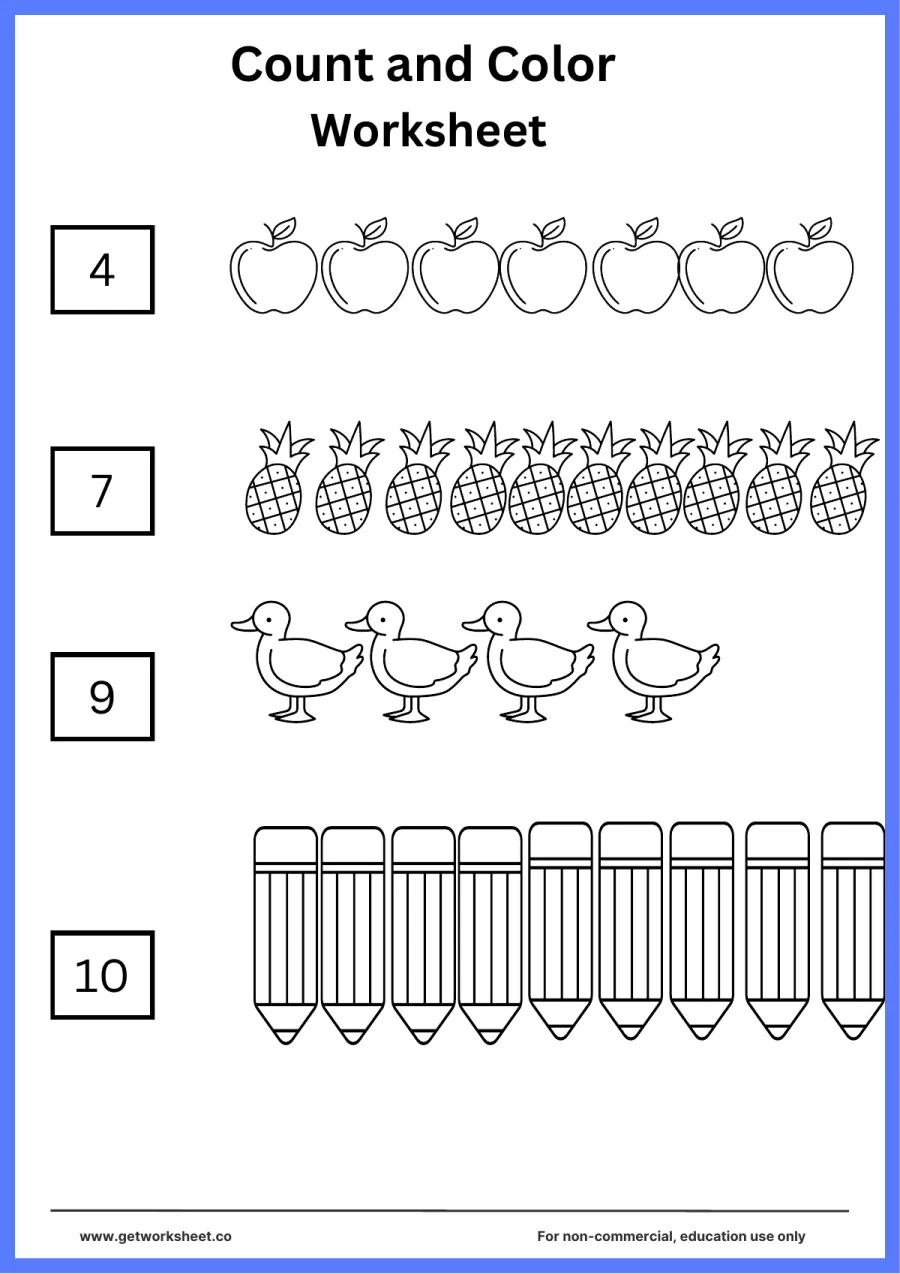
Count and color: 4 apples, 7 pineapples, 9 ducks
Color the given number of pictures in each row: 4 apples, 7 pineapples, 9 ducks and 10 pencils, with numbers to 10.
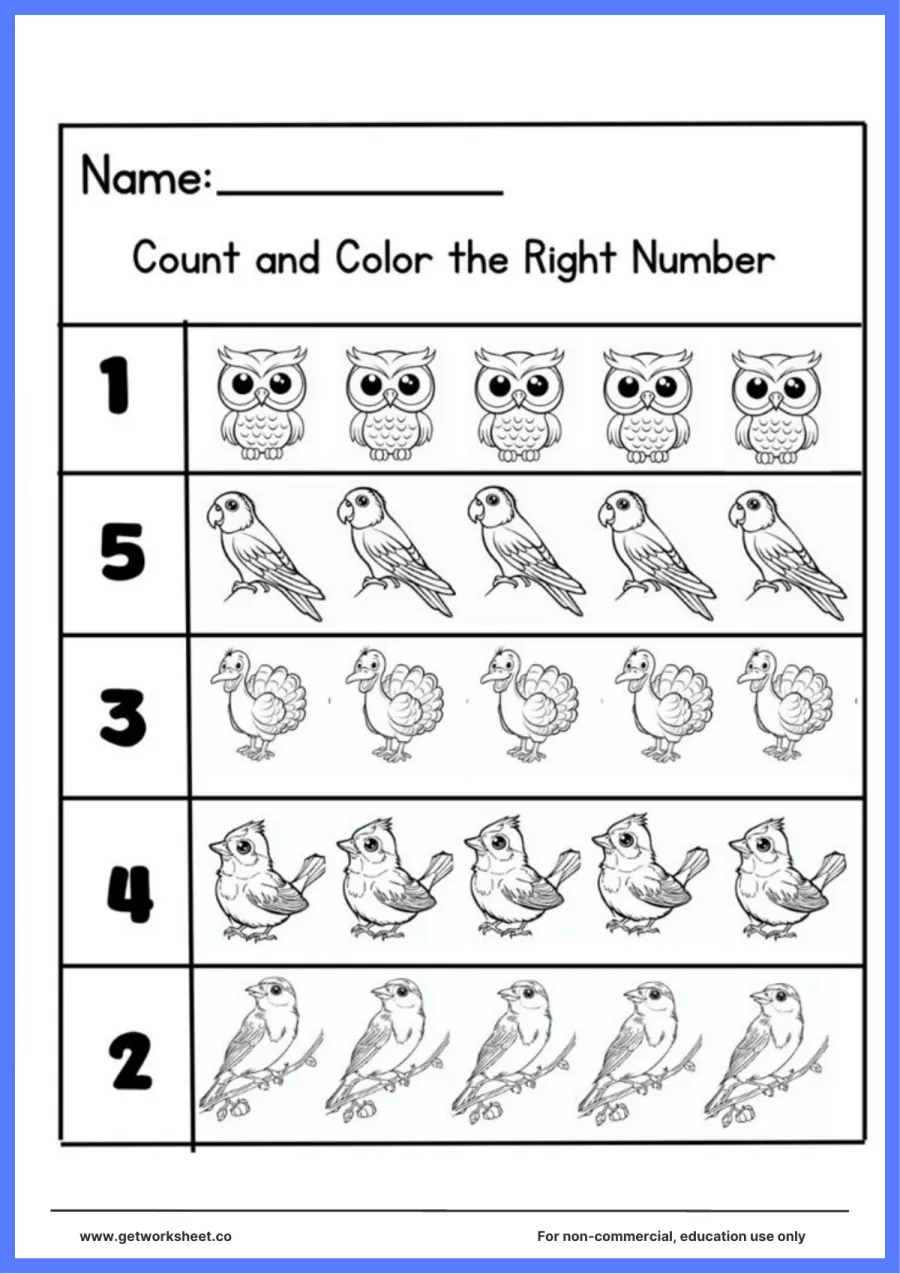
Count and color: birds 1 to 5 (owls, parrots, turkeys)
Color the right number of birds in each row: 1 owl, 5 parrots, 3 turkeys, 4 songbirds and 2 sparrows, from rows of five.
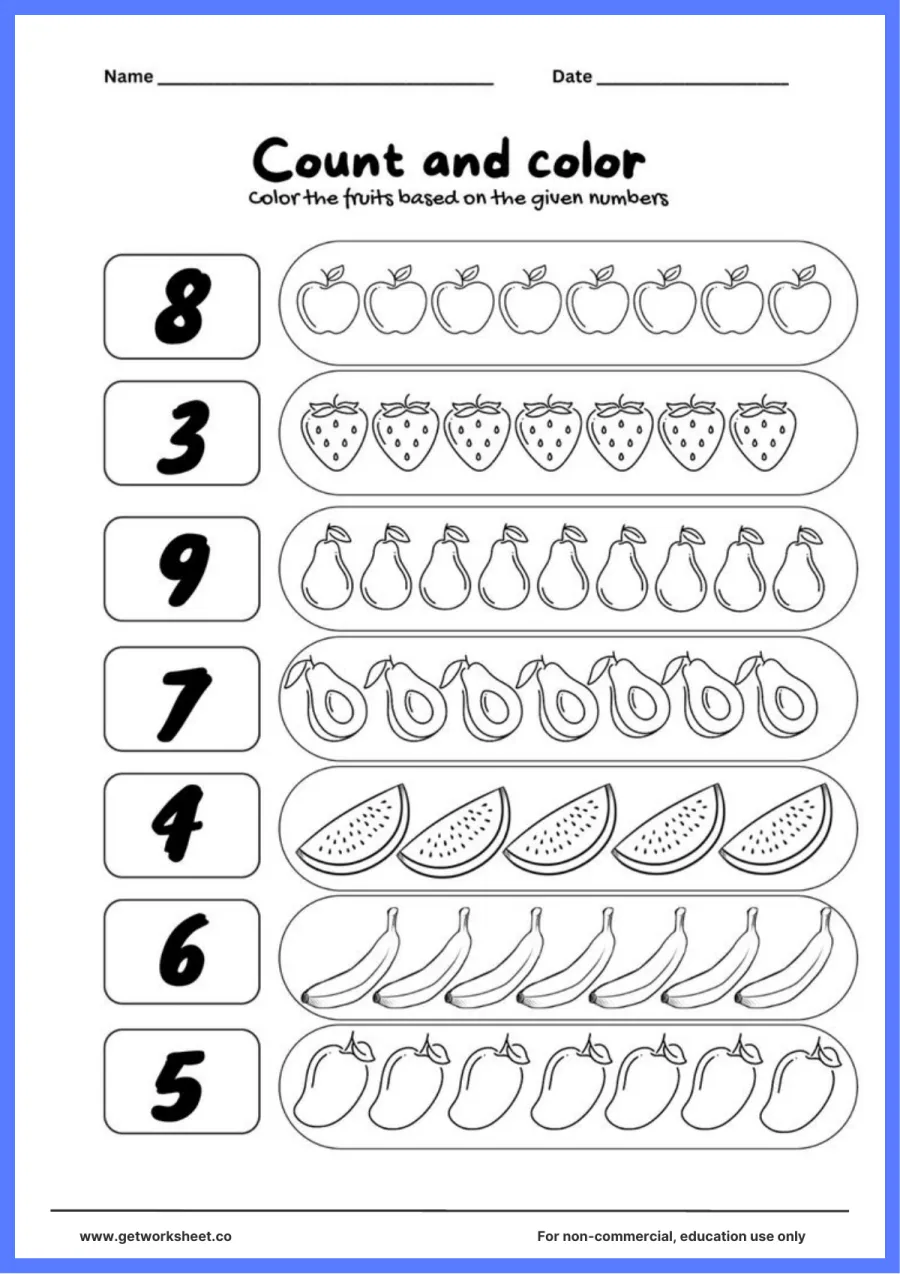
Count and color: 7 rows of fruit, 3 to 9
Color the number of fruits shown in each row: 8 apples, 3 strawberries, 9 pears, 7 avocados, 4 watermelon slices, 6 bananas, 5 peppers.
AI worksheet generator
Make a worksheet like this for your class
The 5 sheets above are fixed. The generator writes a new count and color worksheet for your grade, with the question types and count you choose, in about 20 seconds. Pick a grade to start:
What you get
- A fresh set of questions on count and color, not a copy of the sheets above
- Multiple choice, fill in the blanks, true or false, open ended
- Answer key and print-ready PDF with Pro
Free account, 1 worksheets a week. No card.
These five count and color worksheets ask the same thing on every row: read the number, count the pictures, and color exactly that many. The first sheet is sweets, with 7 wrapped candies, 6 lollipops, 4 ice cream cones and 5 watermelon slices. The second mixes objects: 6 pea pods, 5 elephants, 4 top hats and 5 beach balls in four rows. The third pushes to 10 with 4 apples, 7 pineapples, 9 ducks and 10 pencils. The fourth is the gentlest, using birds and only the numbers 1 to 5: 1 owl, 5 parrots, 3 turkeys, 4 songbirds and 2 sparrows, each from a row of five. The fifth is the longest, seven rows of fruit from 3 to 9: 8 apples, 3 strawberries, 9 pears, 7 avocados, 4 watermelon slices, 6 bananas and 5 peppers.
Because each row holds more pictures than the number asked for, children have to stop at the right place rather than color everything. That is the difference between reciting numbers and counting with meaning, which is the main counting goal in preschool and kindergarten.
What Students Will Practice
- Reading a numeral from 1 to 10 and matching it to a quantity
- One-to-one counting, touching each candy, duck or pear once
- Stopping at the target: coloring 1 owl from a row of five, or 3 strawberries from a longer row
- Counting larger groups, up to 9 pears and 10 pencils, on sheets three and five
- Coloring within outlines of familiar objects: fruit, sweets, birds, hats and beach balls
Free printable makers
Make your own count and color sheets
Type your own words or numbers and print in about 30 seconds. No account, no AI, answer key where it applies.
 Math fact worksheet generatorAddition to division drills with an answer key. Free to print.
 Multiplication chart generatorCharts to 15, full, blank or coloured, and times table tests with key. Free to print.
 Telling time worksheet generatorAnalogue clocks to read, draw, match or add time to, with answer key. Free to print.
AI worksheet generator
Need a different count and color worksheet?
Generate a custom count and color worksheet: pick the grade, question types and count, and print it in about 20 seconds. Free accounts get 1 generation a week.
Complete pack · $2.99
All 5 sheets above, plus 5 bonus sheets you will not find on this page
5 free sheets + 5 bonus sheets in one print-ready PDF with a contents page. Instant, no ads, no account; the link is emailed to you so it works on any device. The 5 sheets above stay free.
- BonusCount and color the right number (1 to 10)
- BonusCount and write the number (1 to 10)
- BonusCount and circle the number
- BonusTen frames: count and color
- BonusCount and color to 20
One-time payment of $2.99. Card, Apple Pay or Google Pay. For home and classroom use.
- Bonus
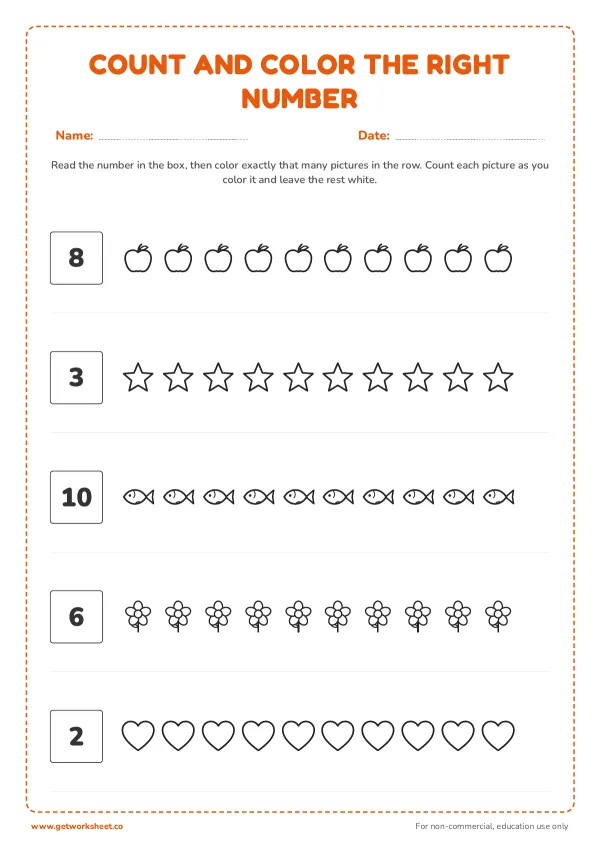 Count and color the right number (1 to 10)
 - Bonus
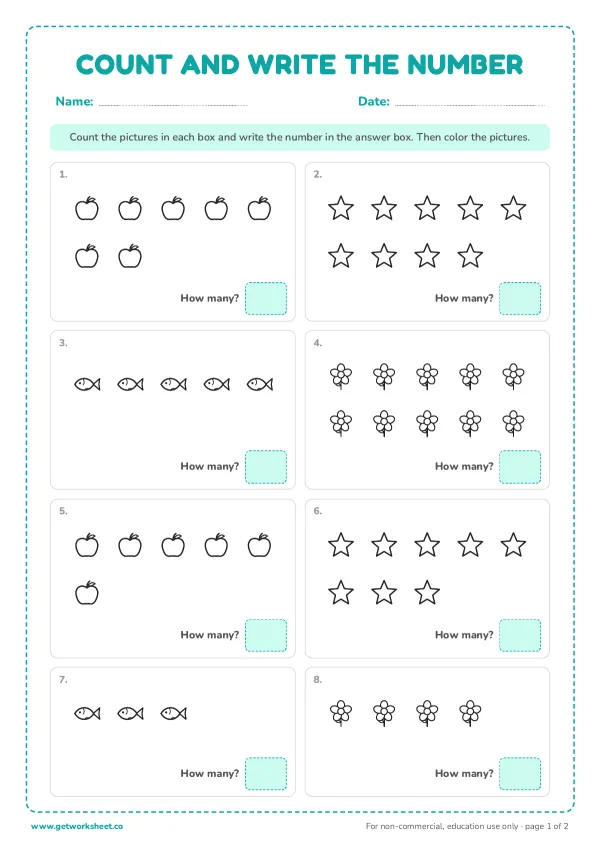 Count and write the number (1 to 10)
 - Bonus
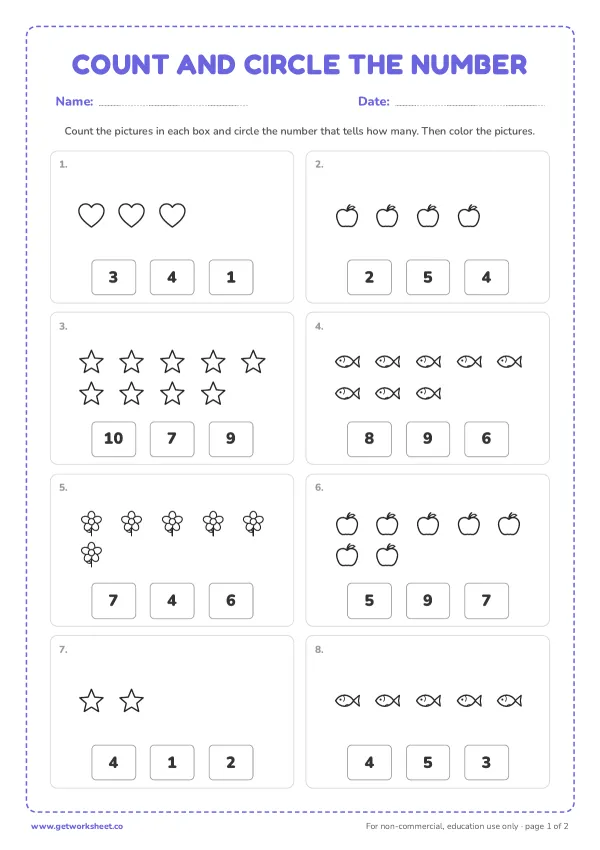 Count and circle the number
 - Bonus
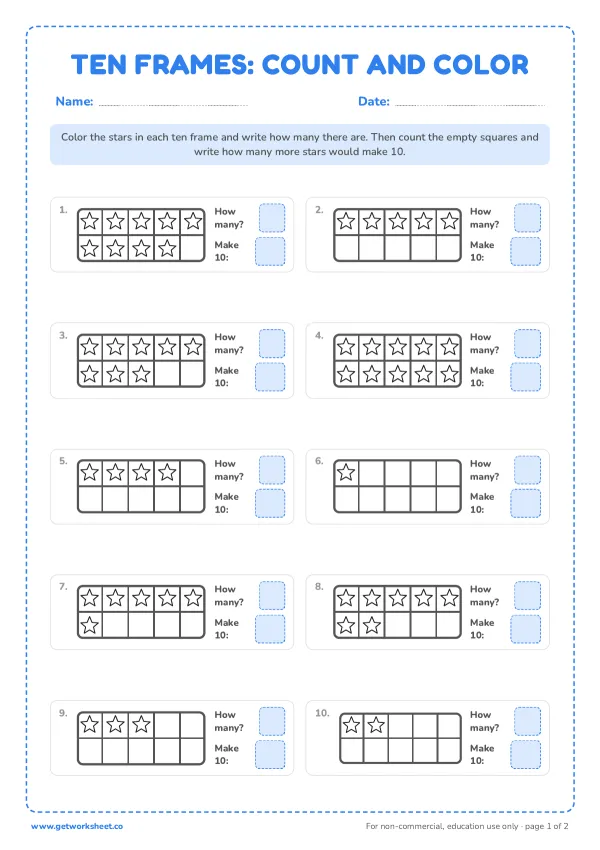 Ten frames: count and color
 - Bonus
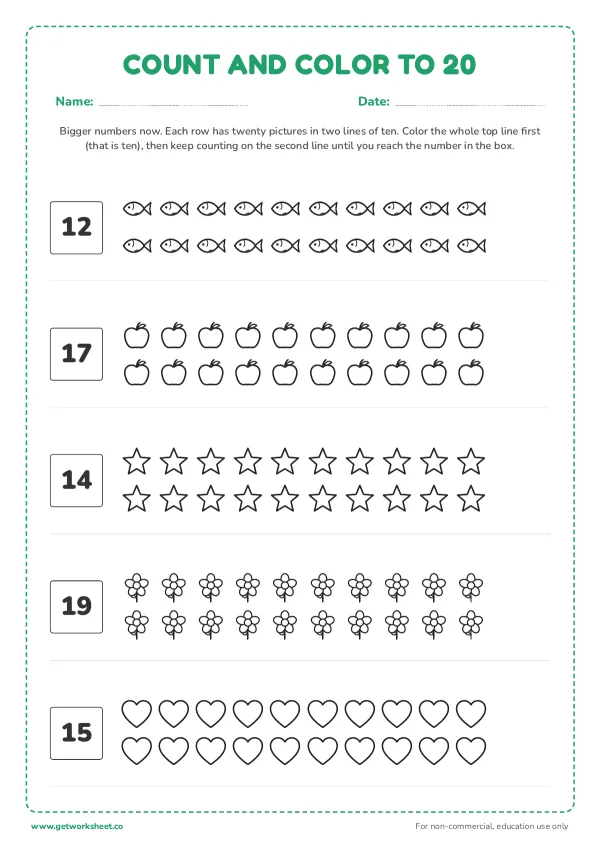 Count and color to 20
Teaching tips and common mistakes
How to Use These Worksheets
Ways to make count and color practice more effective.
- Have your child point to each object as they count it, then put a small dot on it before coloring. This physical marking prevents the most common counting error, accidentally counting the same object twice or skipping one.
- Ask your child to say the number out loud before they start counting objects. If the instruction says "color 4," have them say "four" and hold up 4 fingers. This connects the written numeral to the spoken word and the quantity.
- After they finish coloring, ask "how many did you NOT color?" This introduces the concept of subtraction naturally. If there were 8 objects and they colored 5, they can count the uncolored ones to find 3 remaining.
Common Mistakes to Watch For
- Coloring all the objects instead of just the number specified. Kids get excited about coloring and forget to stop at the target number. Before they start, point to the number and ask them to repeat it: "I need to color exactly 5."
- Counting too fast and getting the wrong total. Slow them down by asking them to say each number clearly while pointing. Speed comes later, accuracy first.
- Losing track in the middle and starting over from 1 each time. If they lose their place, teach them to mark the last one they counted and continue from that number rather than restarting.
- Confusing similar-looking objects in the picture and miscounting (e.g., counting a flower as a butterfly). Point out the differences before counting begins so they know exactly which objects to include.
Frequently Asked Questions
What number range is appropriate for count and color worksheets?
Preschoolers (ages 3-4) should work with numbers 1-5. Kindergarteners can handle 1-10. Advanced kindergarteners and first graders can work with numbers up to 20. Start easy and increase only when your child is consistently accurate.
How do these worksheets differ from regular counting practice?
The coloring component adds a physical action to the counting, which helps cement the concept. Counting alone is abstract; count and color makes it concrete because kids produce a visible result, exactly the right number of colored items.
Can I use these worksheets for math centers in a classroom?
Yes, they are perfect for independent math center work. Kids can complete them without adult help once they understand the directions. Place crayons and worksheets at a station and let students rotate through.
What if my child can count but always colors the wrong number of objects?
This usually means they lose track between counting and coloring. Have them count first and circle the correct objects with a pencil, then go back and color only the circled ones. Separating the two steps reduces errors.
After mastering count and color activities, children are ready for simple addition worksheets where they combine two groups of objects and count the total. From there, the subtraction worksheets within 10 and 20 are the next step after counting and adding groups.
Free library
Related collections
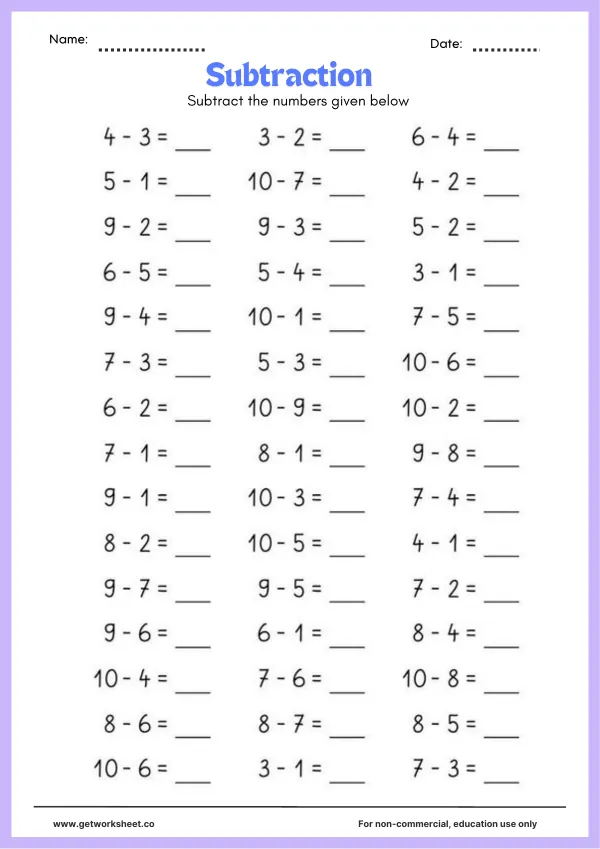
Free subtraction worksheets (within 10 and 20)
Free Montessori spindle box worksheets
Free penguin worksheets
Free snowman worksheets
Free winter worksheets for preschool and kindergarten
Free winter tracing worksheets
Free heart tracing worksheets
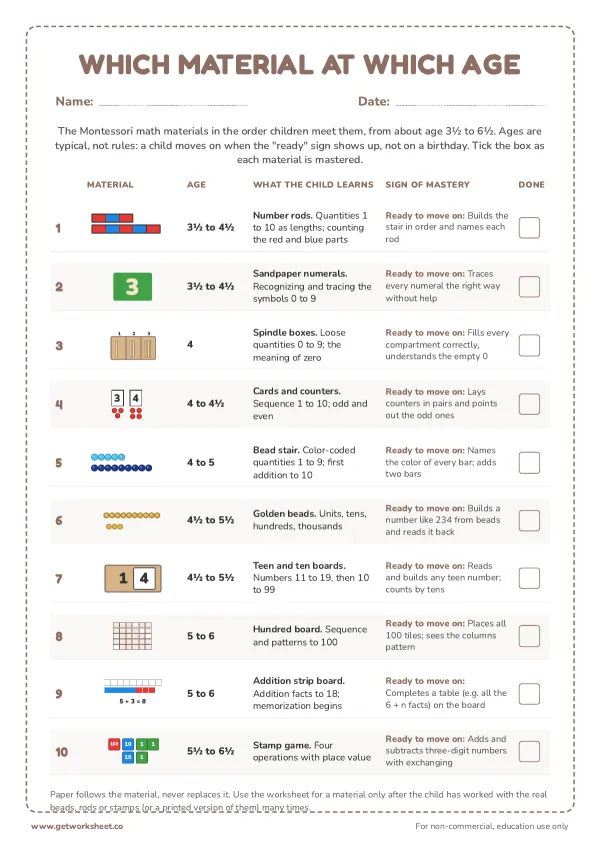
Free Montessori math worksheets: one from every material
More worksheets
- Free shape tracing worksheets
- Free number 20 tracing worksheets
- Free number 19 tracing worksheets
- Free number 18 tracing worksheets
- Free number 17 tracing worksheets
- Free number 16 tracing worksheets
- Free number 15 tracing worksheets
- Free number 14 tracing worksheets
- Free number 13 tracing worksheets
- Free number 12 tracing worksheets
- Free number 11 tracing worksheets
- Free number 10 tracing worksheets