Maths · Kindergarten–Grade 3
Free base ten blocks worksheets
Free printable base ten blocks worksheets for kindergarten to grade 3: count ten-rods and unit cubes to write two-digit numbers, count hundred-flats too for three-digit numbers, draw blocks to build a given number, and a regrouping intro where ten of one block trades for one of the next. Answer keys included.
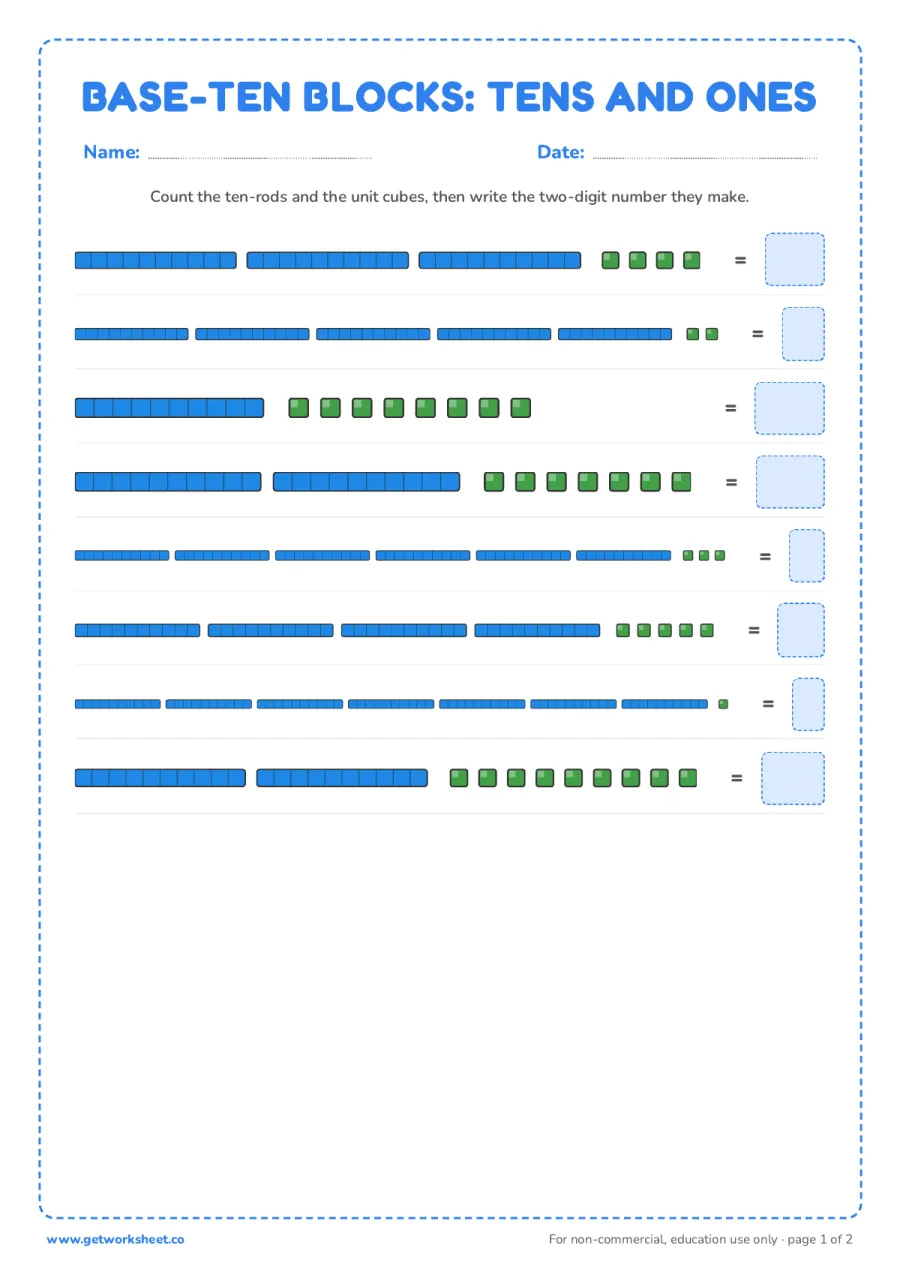
Base-ten blocks: tens and ones
Eight rows of ten-rods and unit cubes; count them and write the two-digit number. Answer key on page 2. Free printable PDF.
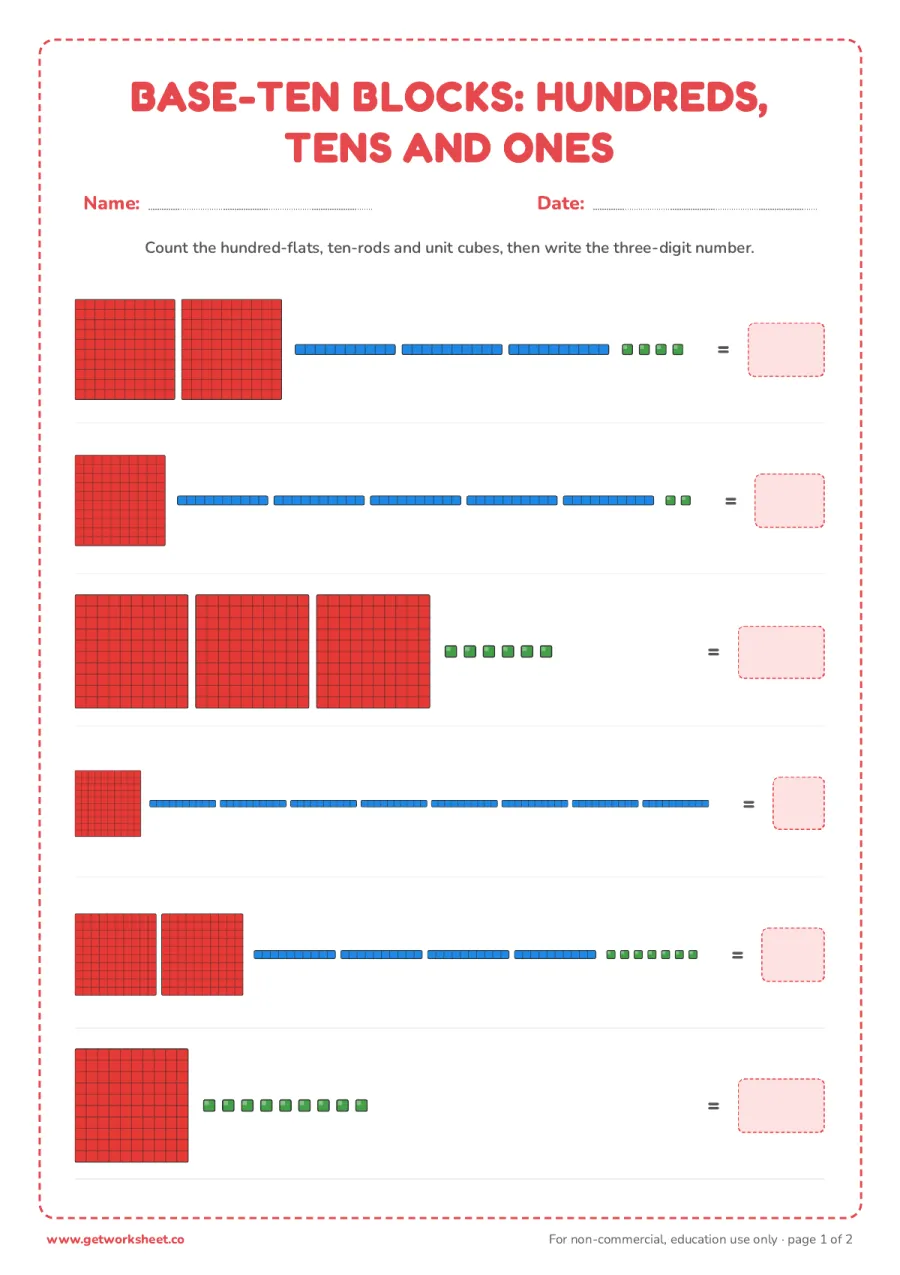
Base-ten blocks: hundreds, tens and ones
Six rows of hundred-flats, ten-rods and unit cubes; count them and write the three-digit number. Answer key on page 2. Free printable PDF.
Whole set
All 4 in one PDF
- Every sheet on this page, one file
- No ads, no countdowns, print as often as you like
- Instant download, ad-free, no account needed
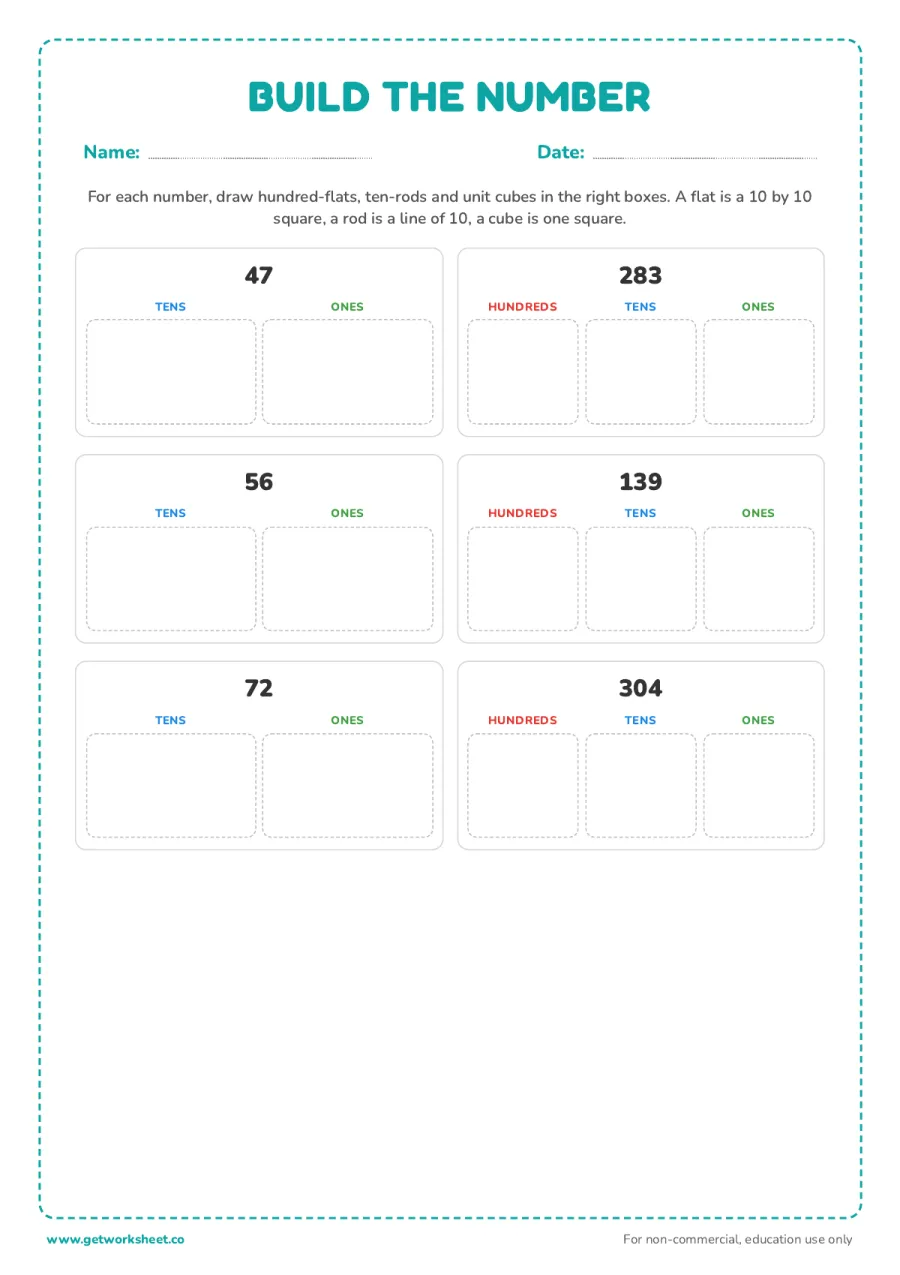
Base-ten blocks: build the number
Six numbers, two or three digits each: draw the flats, rods and cubes in the labelled boxes. Free printable PDF.
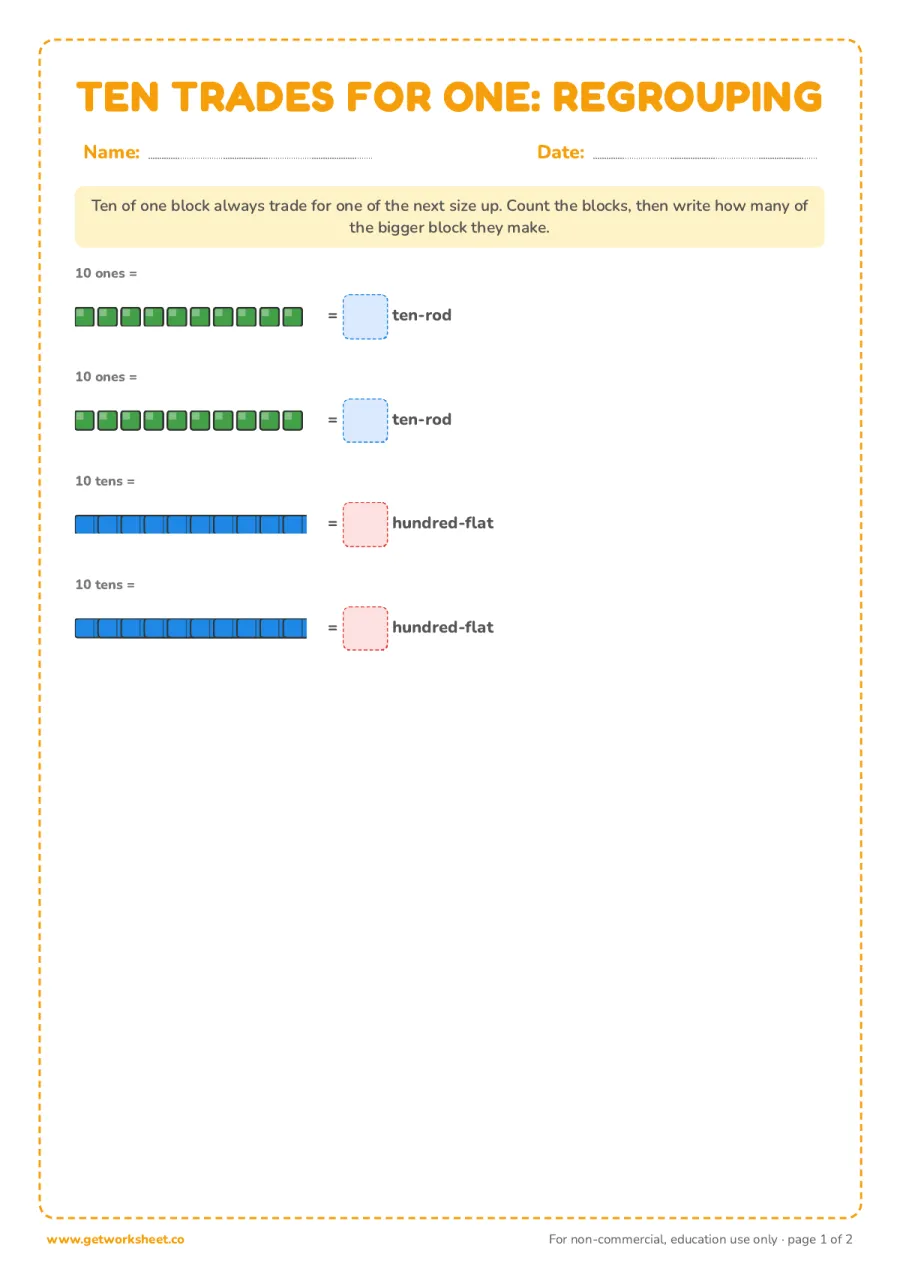
Base-ten blocks: ten trades for one (regrouping intro)
Ten unit cubes trade for one ten-rod, ten ten-rods trade for one hundred-flat. Count and complete the trade. Answer key on page 2. Free printable PDF.
AI worksheet generator
Make a worksheet like this for your class
The 4 sheets above are fixed. The generator writes a new base ten blocks worksheet for your grade, with the question types and count you choose, in about 20 seconds. Pick a grade to start:
What you get
- A fresh set of questions on base ten blocks, not a copy of the sheets above
- Multiple choice, fill in the blanks, true or false, open ended
- Answer key and print-ready PDF with Pro
Free account, 1 worksheets a week. No card.
Base ten blocks are the classroom standard for place value: a tiny square is one, a strip of ten squares fused together is a ten-rod, and a 10 by 10 square is a hundred-flat. These four worksheets use the same green-ones, blue-tens, red-hundreds colouring as the rest of this site's place-value materials, so a child moving between this set and the Montessori golden beads or hundred board sees the same colour mean the same thing. The set starts with two-digit numbers (rods and cubes), adds hundred-flats for three digits, flips the task around so the child draws the blocks for a printed number, and finishes with the idea that makes regrouping make sense: ten of one block always trades for one of the next size up.
What's in this set
- Tens and ones. Eight rows of ten-rods and unit cubes in mixed counts; count them and write the two-digit number. Answer key on page 2.
- Hundreds, tens and ones. Six rows adding hundred-flats to the mix; count all three block sizes and write the three-digit number. Answer key on page 2.
- Build the number. Six printed numbers, two or three digits each, with labelled boxes for hundreds, tens and ones: draw the flats, rods and cubes yourself.
- Ten trades for one (regrouping intro). Ten loose unit cubes next to an empty ten-rod outline, and ten loose ten-rods next to an empty hundred-flat outline: count them and write how many of the bigger block they make. Answer key on page 2.
Free printable makers
Make your own base ten blocks sheets
Type your own words or numbers and print in about 30 seconds. No account, no AI, answer key where it applies.
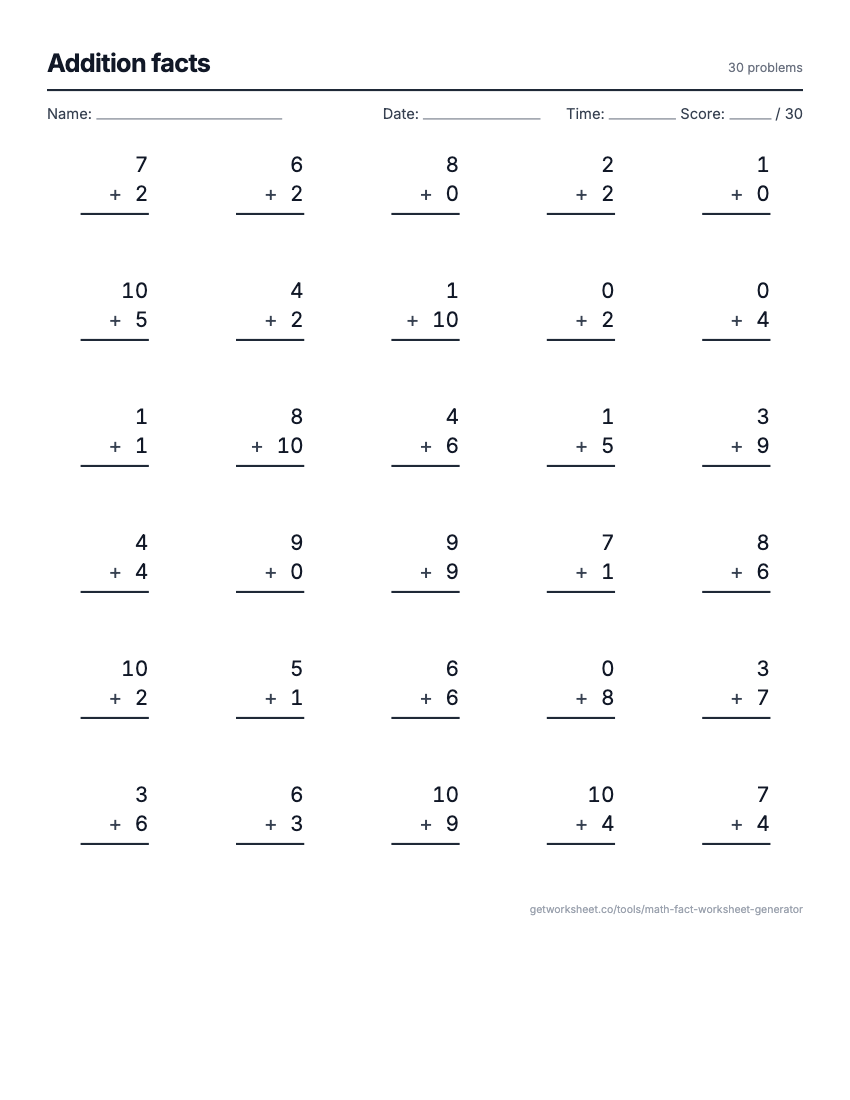 Math fact worksheet generatorAddition to division drills with an answer key. Free to print.
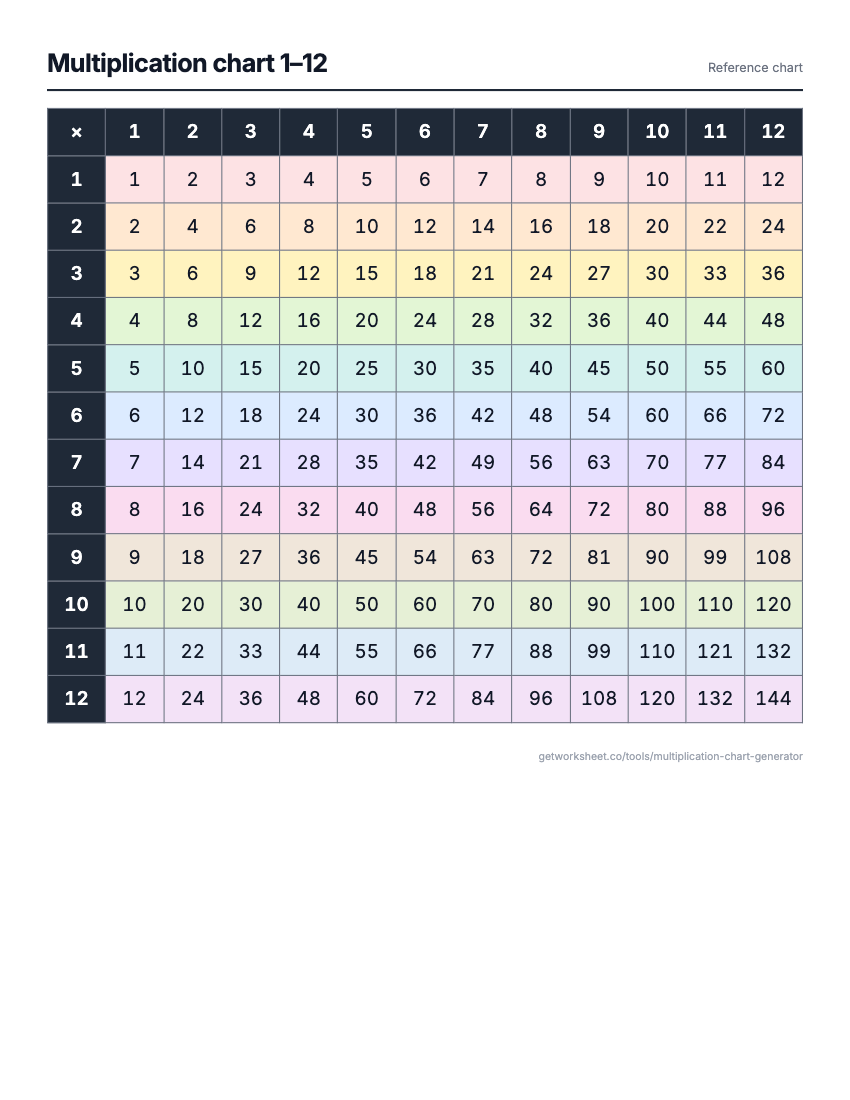 Multiplication chart generatorCharts to 15, full, blank or coloured, and times table tests with key. Free to print.
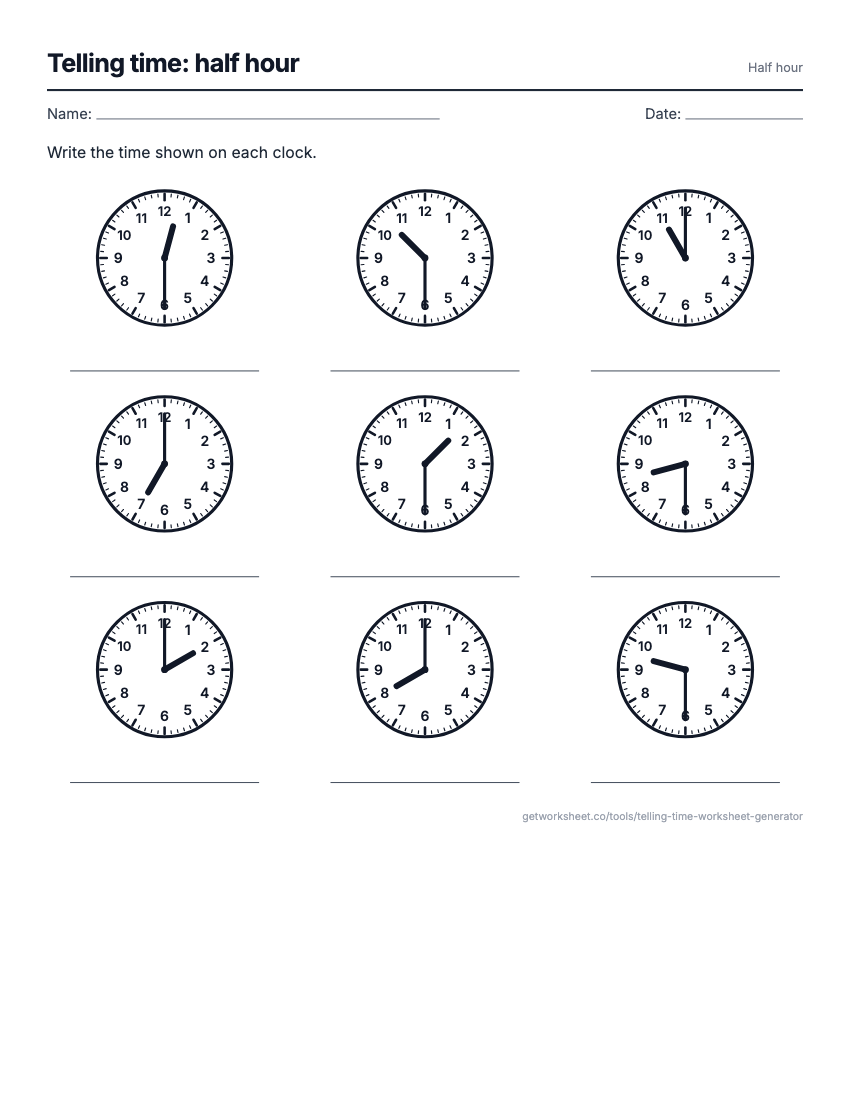 Telling time worksheet generatorAnalogue clocks to read, draw, match or add time to, with answer key. Free to print.
AI worksheet generator
Need a different base ten blocks worksheet?
Generate a custom base ten blocks worksheet: pick the grade, question types and count, and print it in about 20 seconds. Free accounts get 1 generation a week.
Teaching tips and common mistakes
How to use these worksheets
Print at 100% on A4 or US Letter. If you have real base ten blocks (or base ten block manipulatives on a screen), build each row with the physical blocks before writing the number; the worksheet should confirm what the hands already found, not replace it.
- Tens and ones. Count the rods first (each rod is worth ten, however many cubes it has), say the number of tens out loud, then count the loose cubes for the ones. "3 tens and 4 ones is 34", not "3, 4".
- Hundreds, tens and ones. Same idea, flats first. Watch for rows with zero tens or zero ones (a flat and four cubes alone is 104, not 14); point out the empty place explicitly.
- Build the number. Read the number aloud and say how many hundreds, tens and ones before drawing anything. A rod is a single line of ten small squares, not ten separate squares with gaps; a flat is a 10 by 10 grid, not a solid block with no lines.
- Regrouping intro. This is the idea behind every carrying and borrowing method taught later, in its simplest form. Count the ten loose blocks out loud, then write "1": ten of a smaller block always makes exactly one of the next size, no more, no less.
Common mistakes to watch for
- Reading cubes before rods. A child says "4" then "3" instead of "3 tens, 4 ones"; the order of counting should match the order of place value, biggest block first.
- Miscounting a flat's rows. Count the rows down one side first (ten), then multiply by counting one row across, rather than trying to count 100 individual squares.
- Treating a rod as ten separate items. The tick marks on a rod show where the ones would be, but the rod is traded and used as a single ten; it should not be "broken apart" by counting each segment out loud as 1, 2, 3.
- Writing digits in the wrong order. "2 hundreds, 0 tens, 6 ones" is 206, not 26 or 2006; say each place value as you write its digit.
Frequently asked questions
What are base ten blocks?
A set of three block sizes used to teach place value: a unit cube worth 1, a ten-rod (ten cubes fused in a line) worth 10, and a hundred-flat (a 10 by 10 square) worth 100. Count how many of each a number has and you have broken it into hundreds, tens and ones.
How is this different from the Montessori golden beads?
Same idea, different material. Golden beads use loose beads threaded on wire (a ten-bar, a hundred-square, a thousand-cube) in a golden colour; base ten blocks are flat plastic or foam pieces, usually colour-coded by size, and are what most US classrooms use day to day. A child who understands one understands the other; try the Montessori golden beads worksheets for the bead version of the same concept.
What grade is this for?
Kindergarten and grade 1 for tens and ones, grade 2 for hundreds, tens and ones, and grade 2 to 3 for the regrouping intro, which sets up the carrying and borrowing methods taught in addition and subtraction with regrouping.
Do these worksheets have answer keys?
Yes. Tens and ones, hundreds tens and ones, and the regrouping intro each have an answer key on page 2 of the PDF. Build the number has nothing to mark; check it by counting the child's drawing together.
More place value practice
For the same ideas with Montessori materials, see the Montessori golden beads worksheets and the Montessori hundred board worksheets. For the step after this set, the addition with regrouping worksheets put the same ten-trades-for-one idea into written column addition.
Free library
Related collections
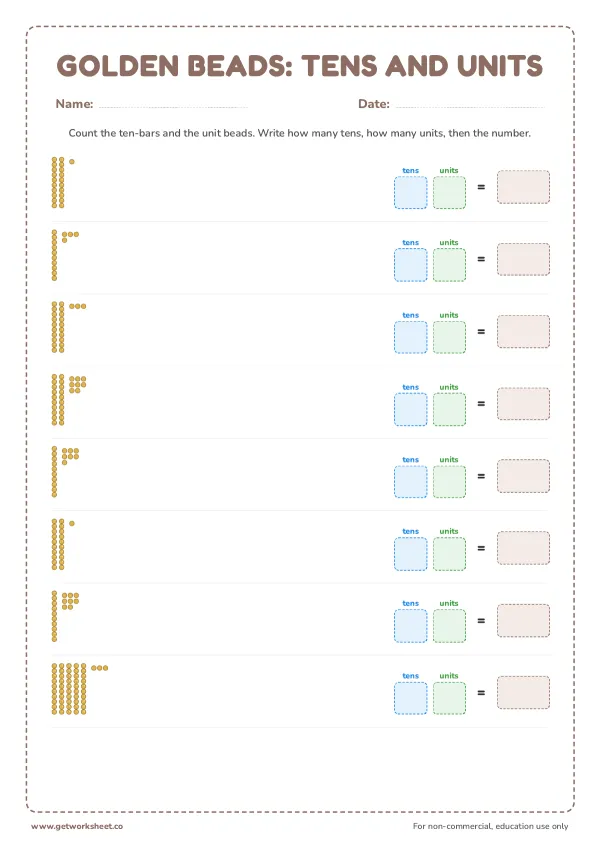
Free Montessori place value worksheets (golden beads)
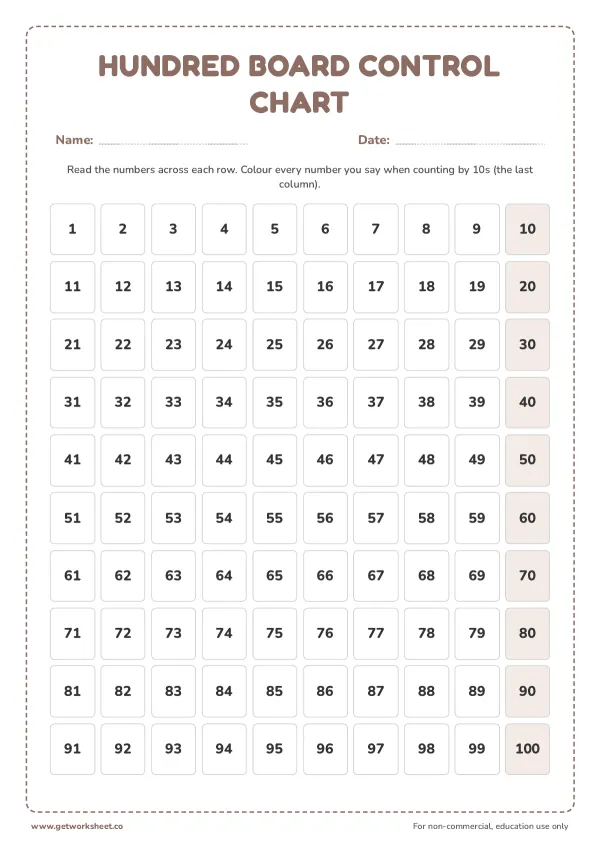
Free Montessori hundred board worksheets
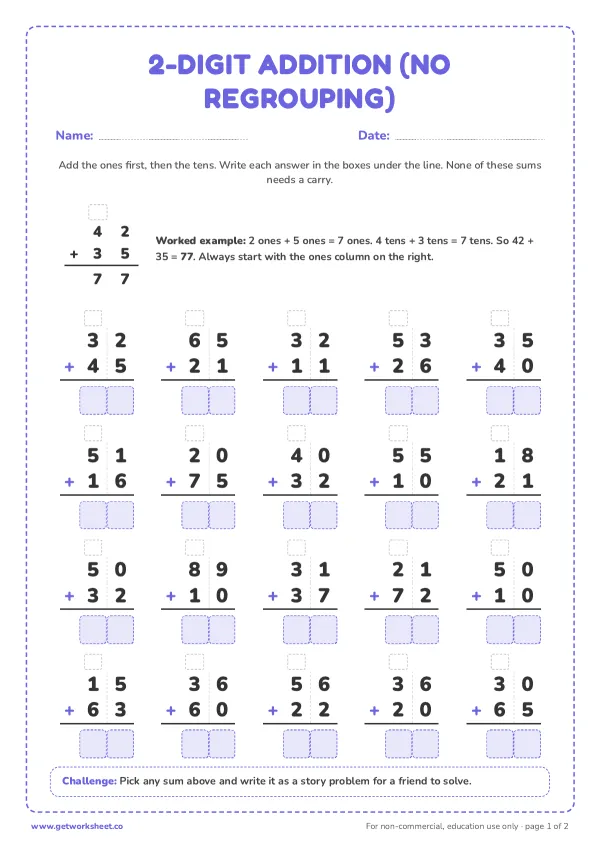
Free addition with regrouping worksheets
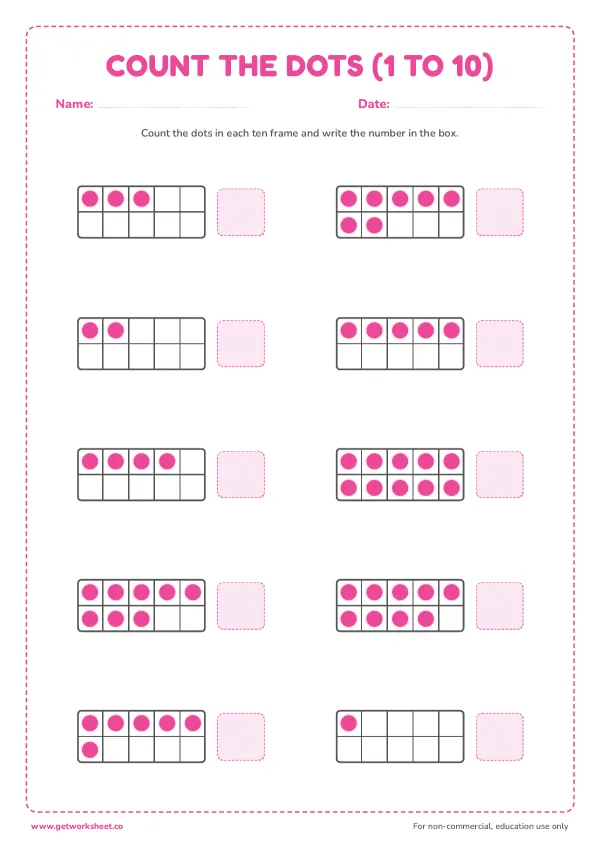
Free ten frame worksheets
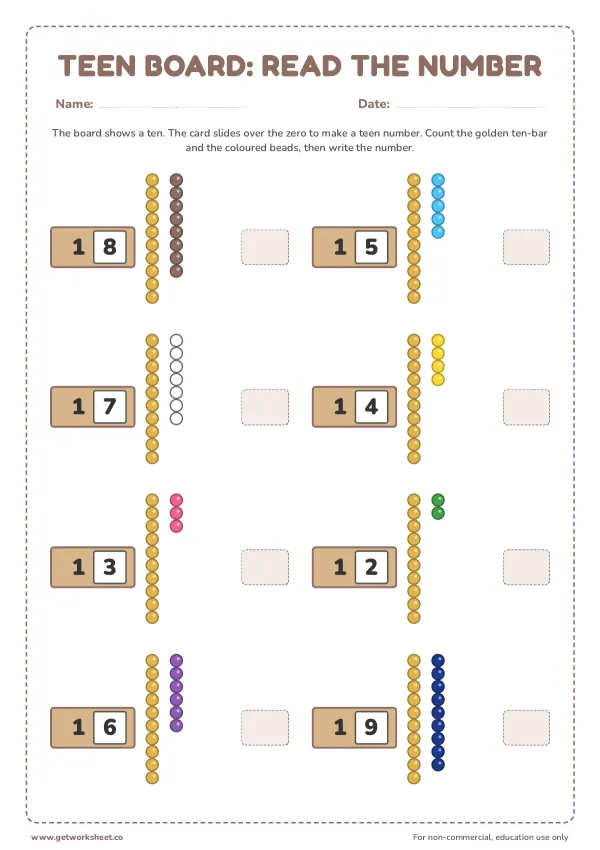
Free Montessori teen board and ten board worksheets
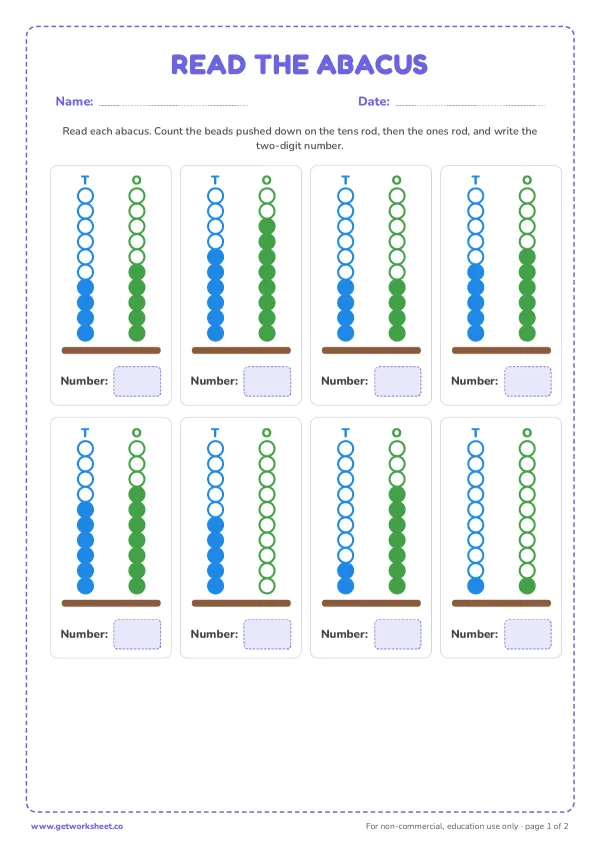
Free abacus worksheets
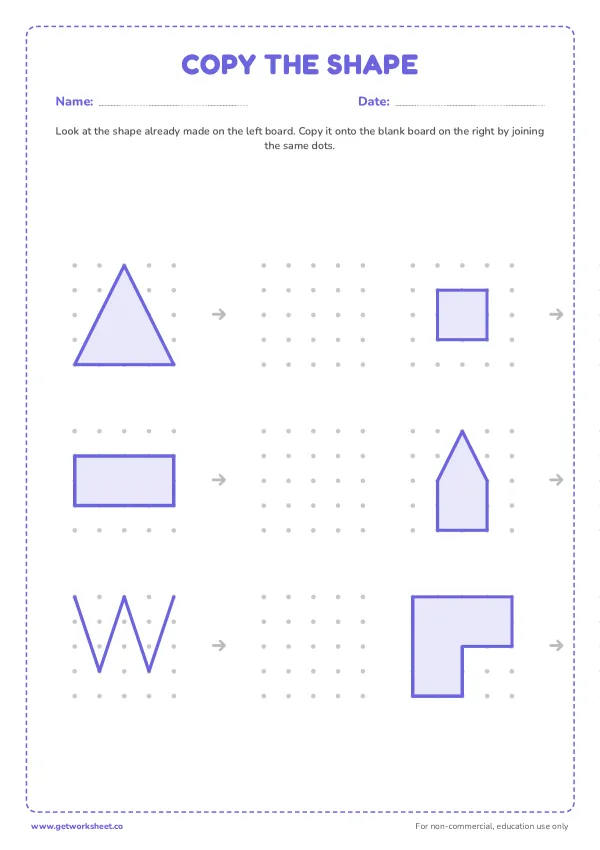
Free geoboard worksheets
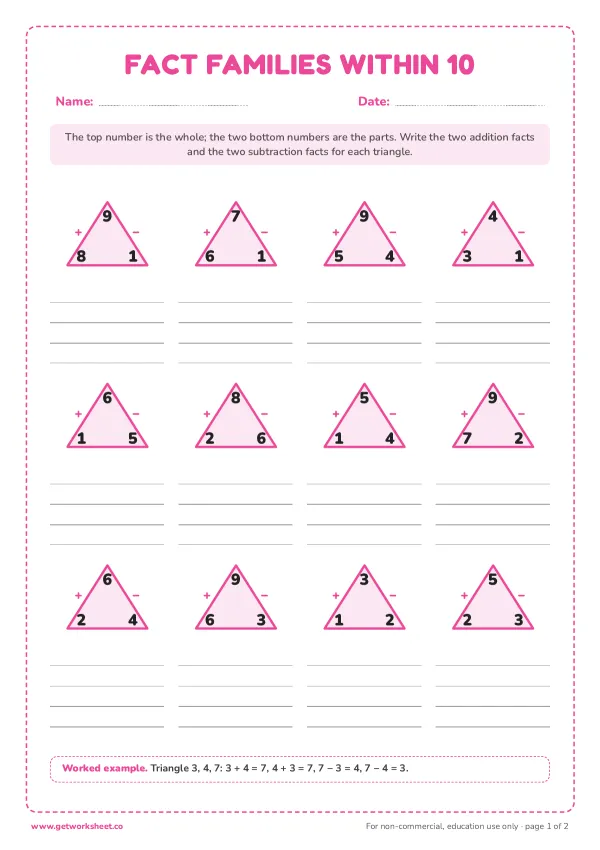
Free fact families worksheets
More worksheets
- Free number bonds worksheets
- Free Valentine math worksheets
- Free rekenrek worksheets
- Free Montessori geometric solids worksheets
- Free Montessori addition strip board worksheets
- Free 100th day of school worksheets
- Free winter break packet worksheets
- Free Thanksgiving math worksheets
- Free greater than less than worksheets
- Free number line printables
- Free Halloween math worksheets
- Free Christmas math worksheets