Maths · Preschool–Kindergarten
Free Montessori sandpaper numerals and cards and counters worksheets
Free printable Montessori sandpaper numerals worksheets: trace 0 to 9 starting at the dot, then cards and counters 1 to 10 laid out in pairs to show odd and even. PDF download.
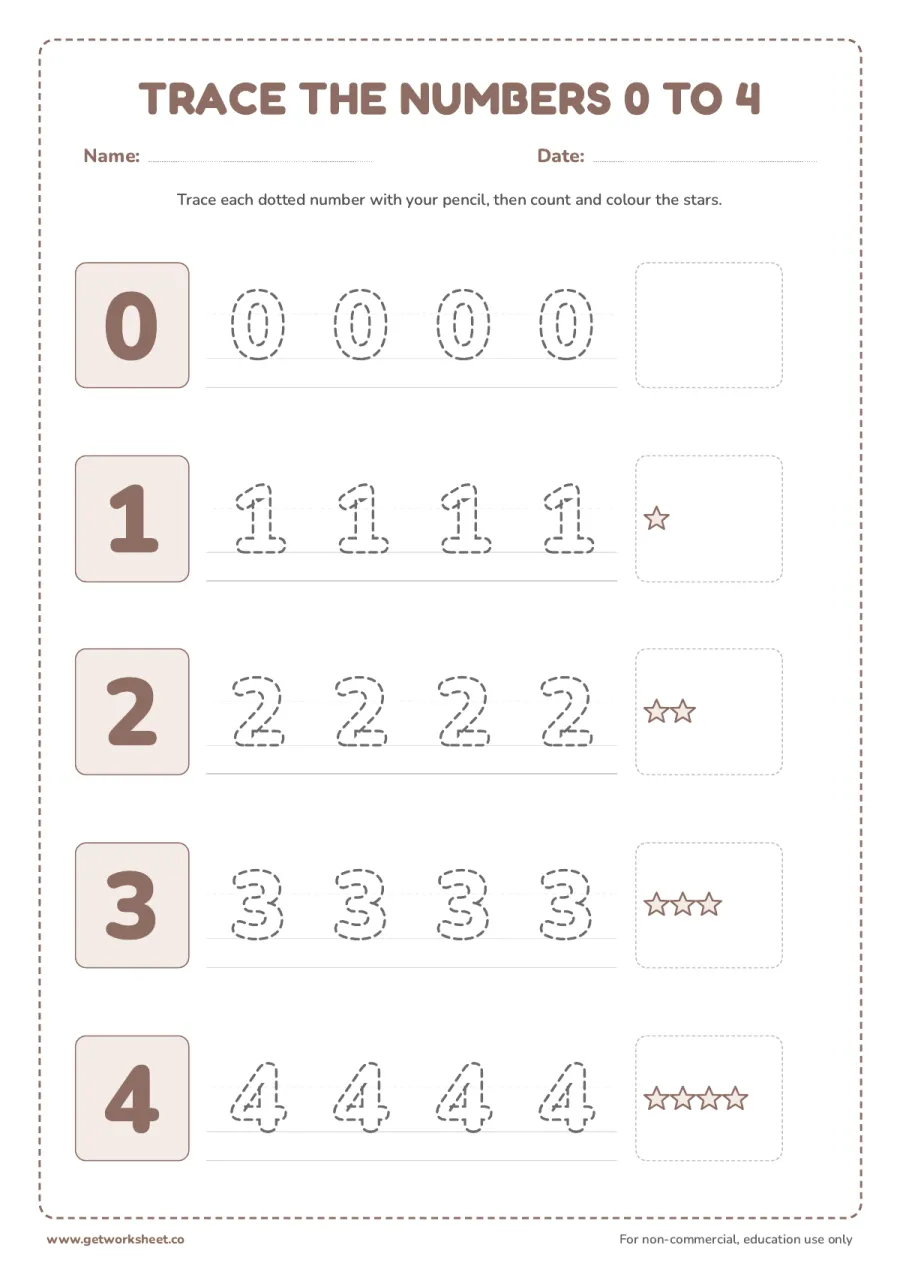
Trace the numbers 0 to 4, then colour the matching stars
Five rows show a solid numeral 0 to 4, four dotted copies to trace, and a box of outline stars to count and colour to match the number.
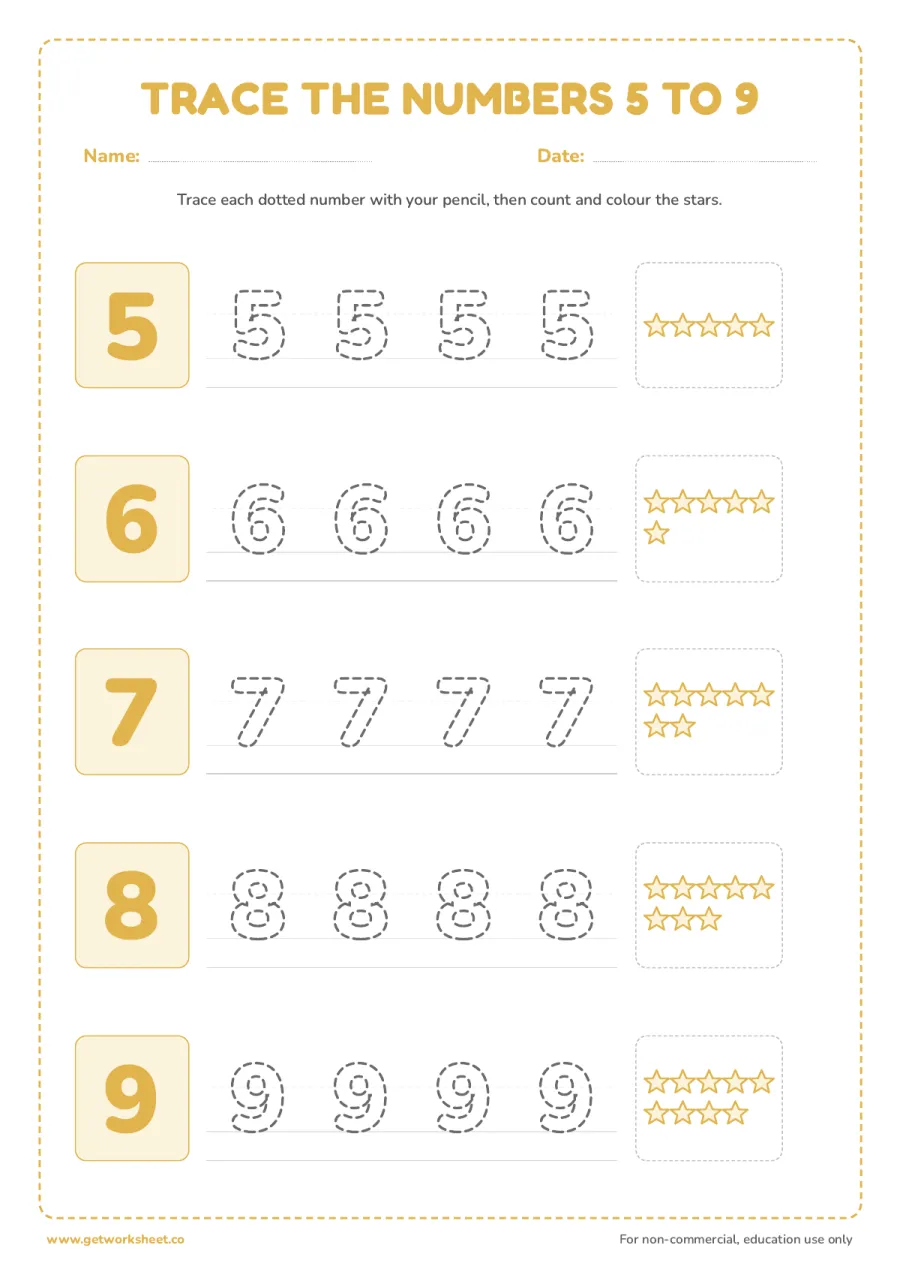
Trace the numbers 5 to 9, then colour the matching stars
Five rows show a solid numeral 5 to 9, four dotted copies to trace, and a box of outline stars to count and colour to match the number.
Whole set
All 4 in one PDF
- Every sheet on this page, one file
- No ads, no countdowns, print as often as you like
- Instant download, ad-free, no account needed
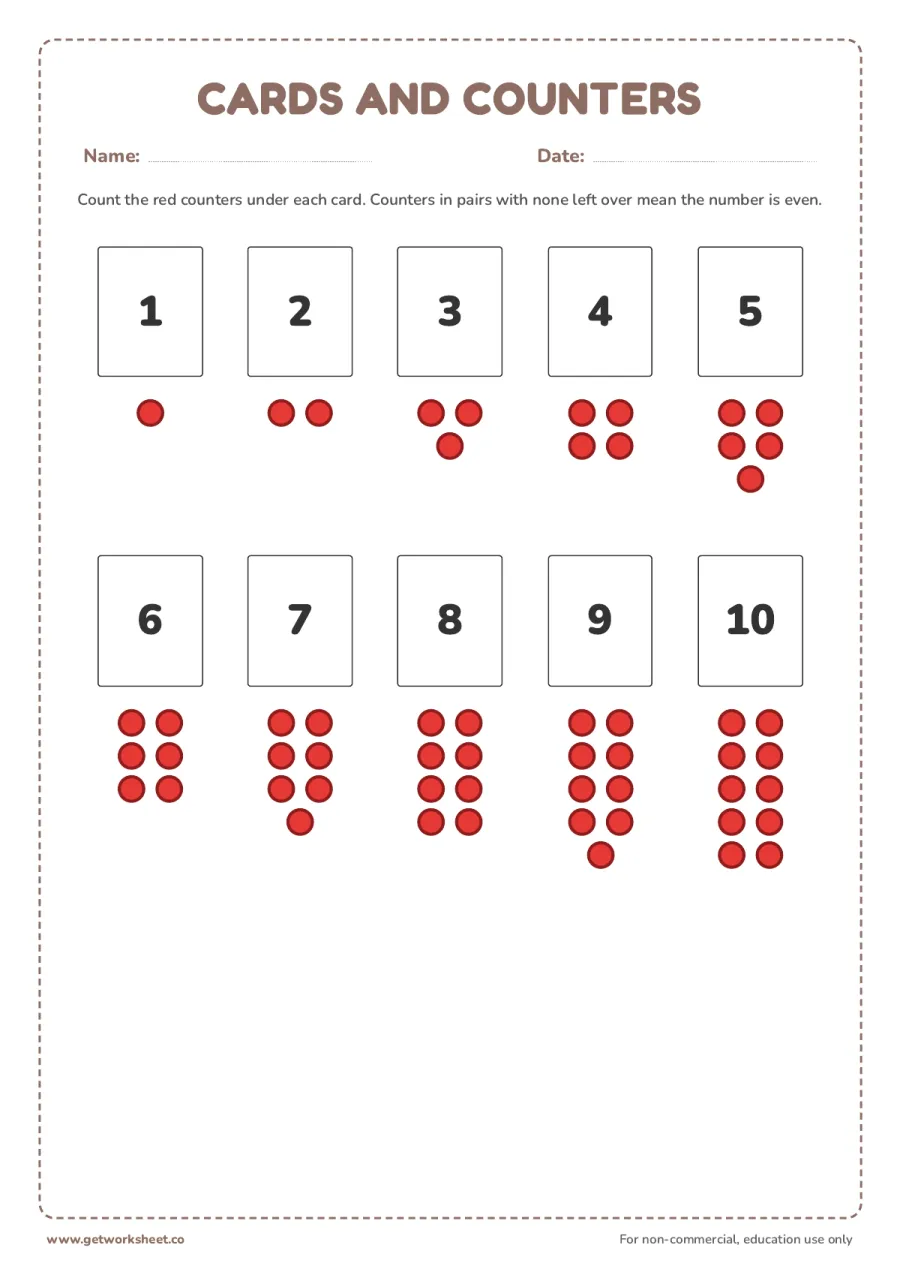
Cards and counters 1 to 10: pairs show odd and even
Number cards 1 to 10 each have red counters laid out in pairs below; child counts the counters and sees whether a lone counter makes the number odd.
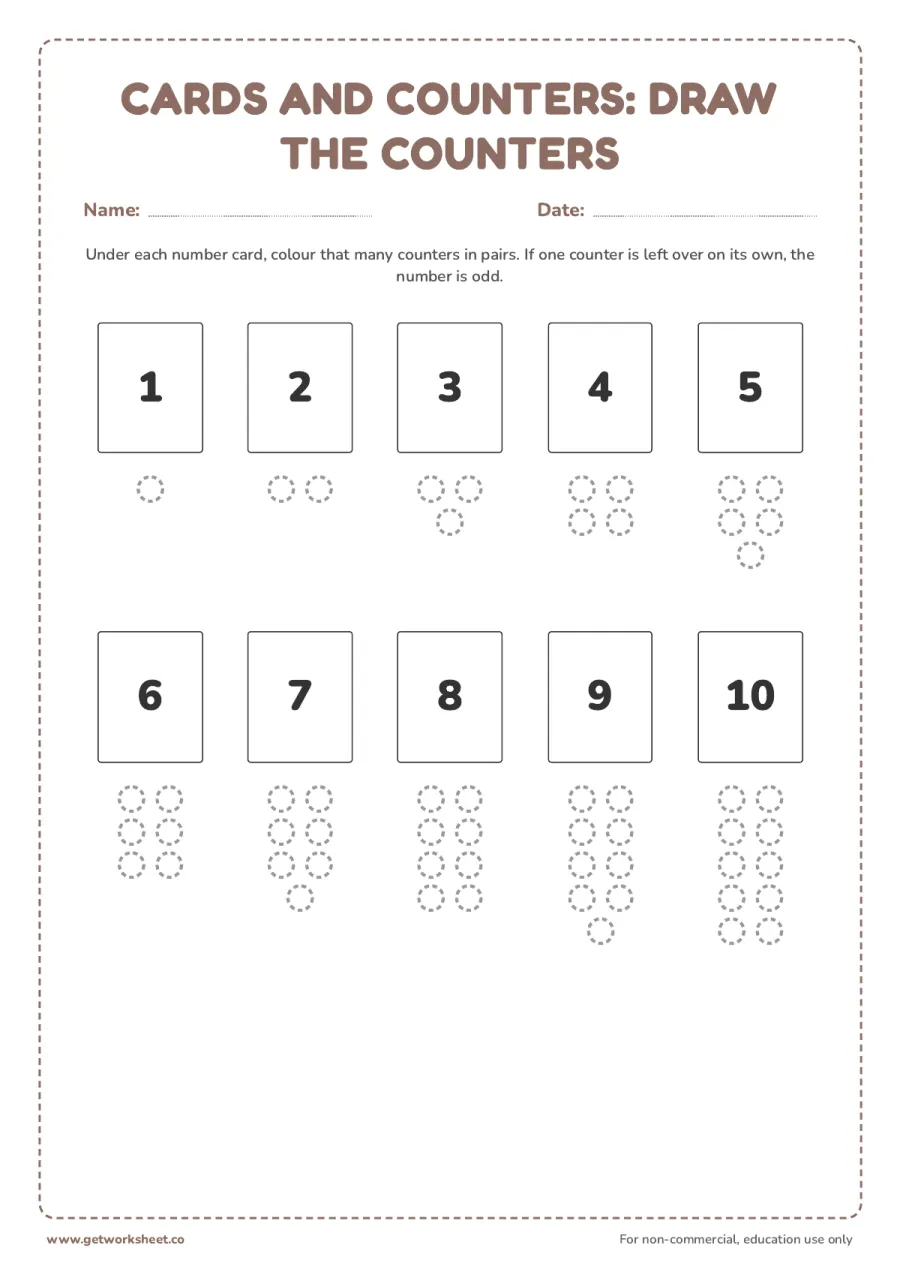
Cards and counters: draw the counters
Colour the right number of counters in pairs under each card. Free printable PDF.
AI worksheet generator
Make a worksheet like this for your class
The 4 sheets above are fixed. The generator writes a new montessori sandpaper numerals and cards and counters worksheet for your grade, with the question types and count you choose, in about 20 seconds. Pick a grade to start:
What you get
- A fresh set of questions on montessori sandpaper numerals and cards and counters, not a copy of the sheets above
- Multiple choice, fill in the blanks, true or false, open ended
- Answer key and print-ready PDF with Pro
Free account, 1 worksheets a week. No card.
Sandpaper numerals introduce the written symbols 0 to 9 through touch: the child traces the rough number with two fingers while saying its name. These worksheets are the paper follow-up. Two sheets give dotted numerals to trace with the Montessori starting point marked, each with a quantity to count and color so symbol and amount stay connected. Two more sheets cover cards and counters, the material that comes next: numerals 1 to 10 laid out with red counters in pairs, which shows odd and even without a word of explanation.
What Students Will Practice
- Tracing the numerals 0 to 9 with the correct starting point and stroke direction
- Connecting each numeral to a quantity
- Laying counters in pairs under each number card
- Noticing that some numbers leave one counter alone: the first meeting with odd and even
- Sequencing 1 to 10 left to right
Sandpaper numerals and cards and counters are introduced around age 4 and support the kindergarten standards K.CC.A.3 (write numbers 0 to 20) and K.CC.B.4, and they lay the ground for 2.OA.C.3 on odd and even.
Free printable makers
Make your own montessori sandpaper numerals and cards and counters sheets
Type your own words or numbers and print in about 30 seconds. No account, no AI, answer key where it applies.
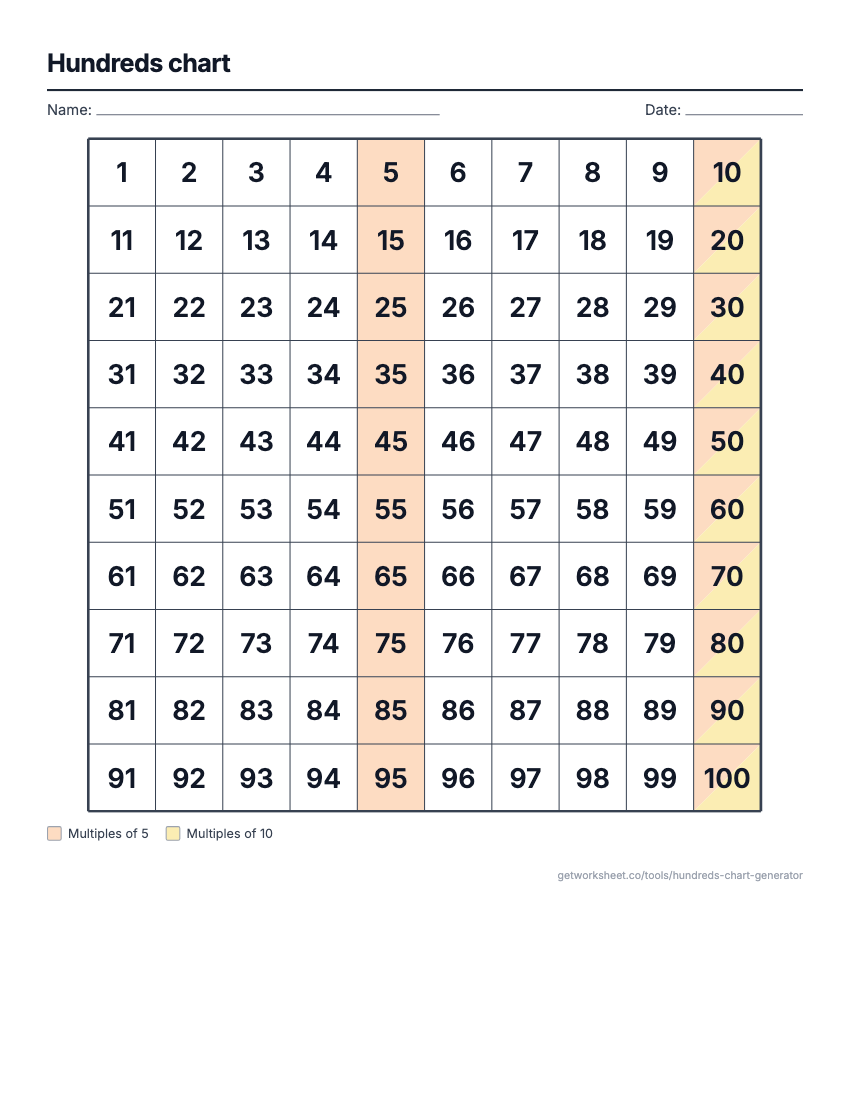 Hundreds chart generator1-100, 1-120 or 0-99, blank or missing numbers, skip-count colours, odd/even. Free to print.
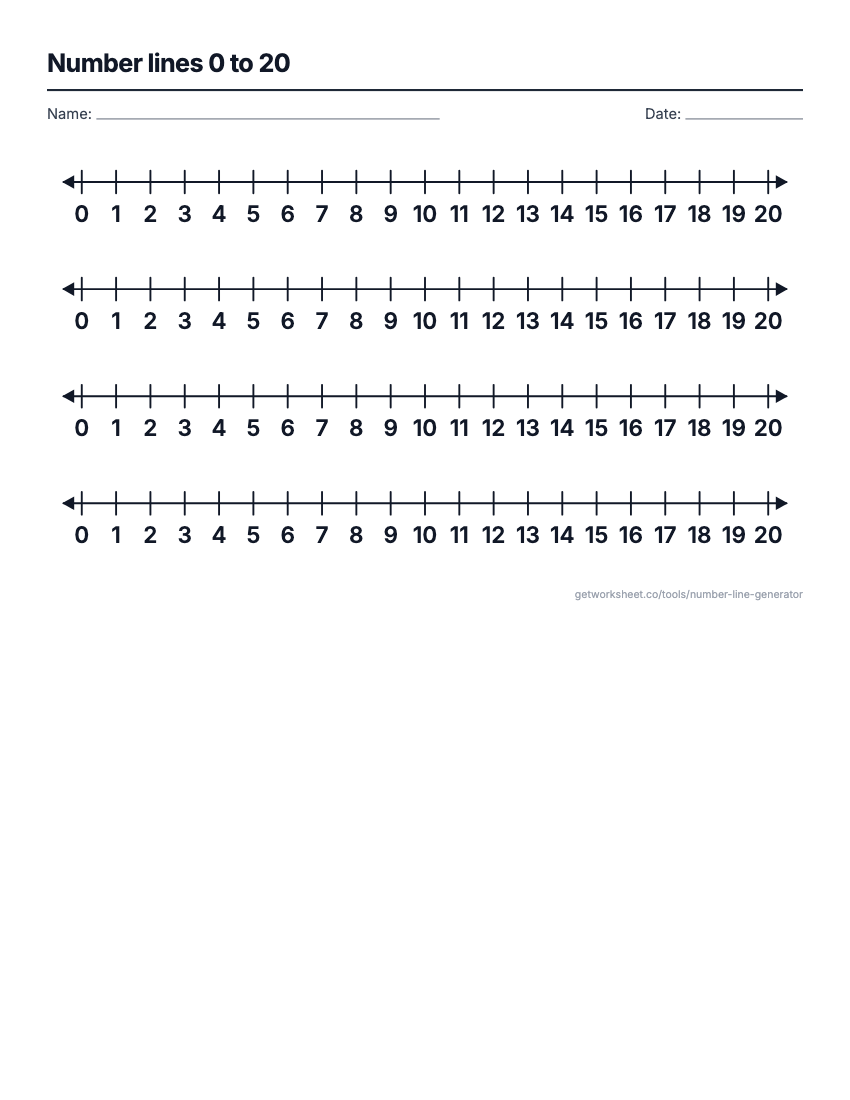 Number line generatorAny range and step, fractions and decimals, blank or missing numbers with a key. Free to print.
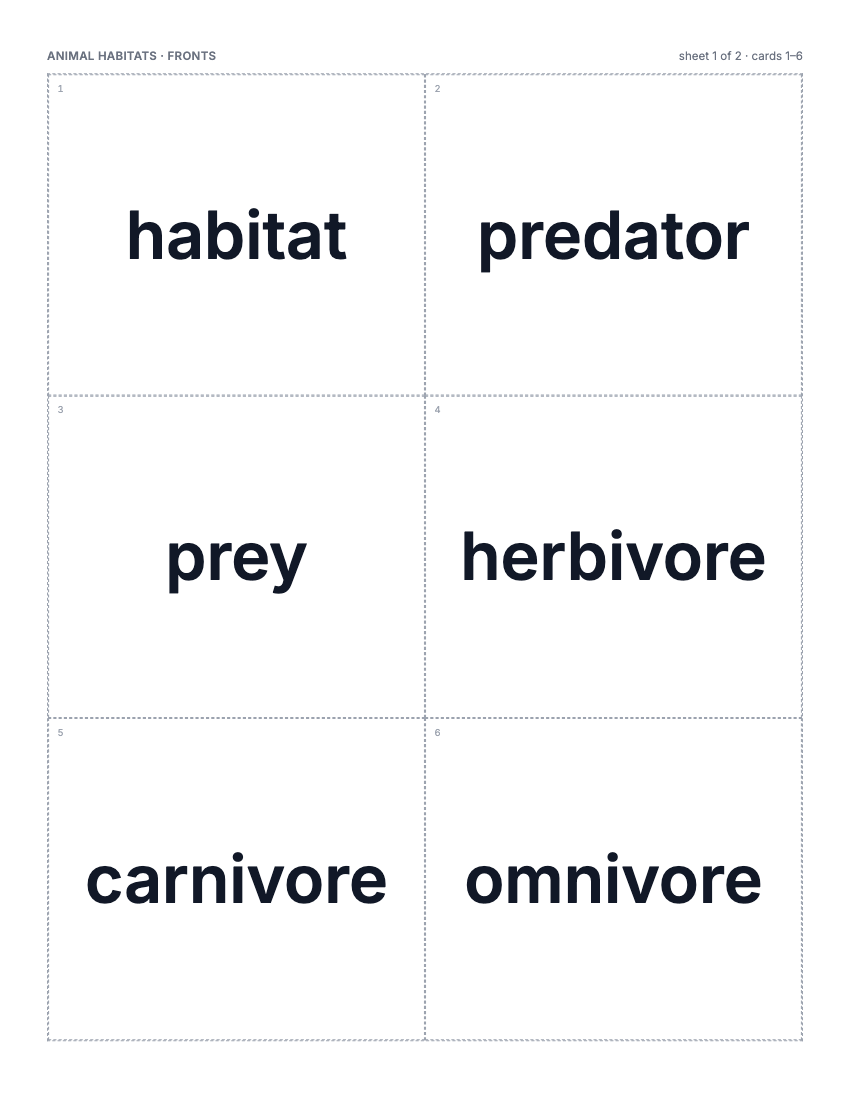 Flashcard makerVocabulary, math fact or sight word cards, 2-8 a page, two-sided or fold-over. Free to print.
AI worksheet generator
Need a different montessori sandpaper numerals and cards and counters worksheet?
Generate a custom montessori sandpaper numerals and cards and counters worksheet: pick the grade, question types and count, and print it in about 20 seconds. Free accounts get 1 generation a week.
Teaching tips and common mistakes
How to Use These Worksheets
Print at 100% on A4 or US Letter paper. If you have sandpaper numerals, trace the real ones first; if not, trace the printed model with two fingers before picking up a pencil.
- Sheets one and two: trace 0 to 4 and 5 to 9. Trace the large model with the index and middle finger while saying the name, then trace the dotted numerals with a pencil. The stars beside each row are for counting and coloring so the child sees what the symbol means. Zero has no stars: that is the point.
- Sheet three: cards and counters. The counters are already laid out in pairs. Have your child count the counters under each card and check that the numeral matches. Then ask: which cards have a counter on its own at the bottom?
- Sheet four: draw the counters. The child colors the right number of counters under each card, in pairs, top to bottom. Real counters (buttons, beans) can be placed first.
- Name odd and even at the end. After the counters are laid out, run a finger down the gap between the pairs. Where the finger is stopped by a single counter, the number is odd. This is the Montessori presentation, and it needs no other explanation.
Common Mistakes to Watch For
- Starting numerals at the bottom: Almost every numeral starts at the top. The dot on the sheet marks the start; keep pointing to it.
- Reversing 3, 5, 7 and 9: Normal until age 6 or 7. Model the correct direction rather than correcting every attempt.
- Laying counters in a line instead of pairs: The pairs are what reveal odd and even. Show the two-column layout and let the child copy it.
- Skipping zero: Zero is hard because there is nothing to count. Ask “how many stars does zero have?” and let the child answer “none”.
Frequently Asked Questions
What are Montessori sandpaper numerals?
Wooden or card tablets with the numerals 0 to 9 cut from fine sandpaper. Children trace them with two fingers while saying the name, so the shape of each number is learned through touch as well as sight.
What is the cards and counters material?
Number cards 1 to 10 and 55 red counters. The child lays the cards in order and places counters under each in pairs. Where a counter is left alone, the number is odd. It teaches sequence, quantity and odd and even at once.
What age are these worksheets for?
Around 4 to 4½, after the number rods. Children should be able to count to 10 before starting the cards and counters sheets.
Why trace with two fingers?
Using the index and middle finger together mirrors the pencil grip and gives a stronger touch memory of the shape than a single finger. It is the standard Montessori presentation.
More Montessori Maths
Browse the whole sequence on the free Montessori worksheets page. Before this set, children work with the number rods worksheets; after it, the bead stair worksheets. For more numeral practice in a standard format, see the number tracing worksheets 1 to 20, and for odd and even at a later stage the odd and even numbers worksheets.
Free library
Related collections
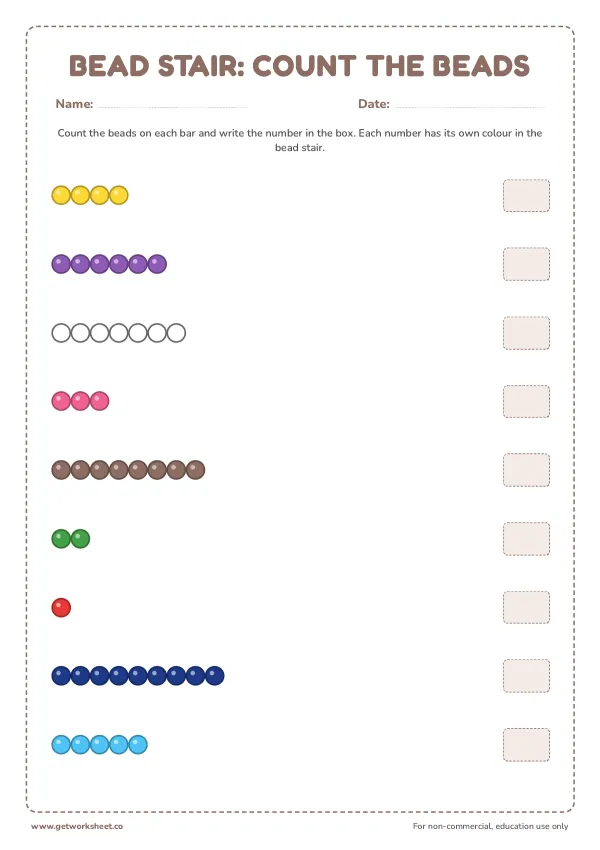
Free Montessori bead stair worksheets
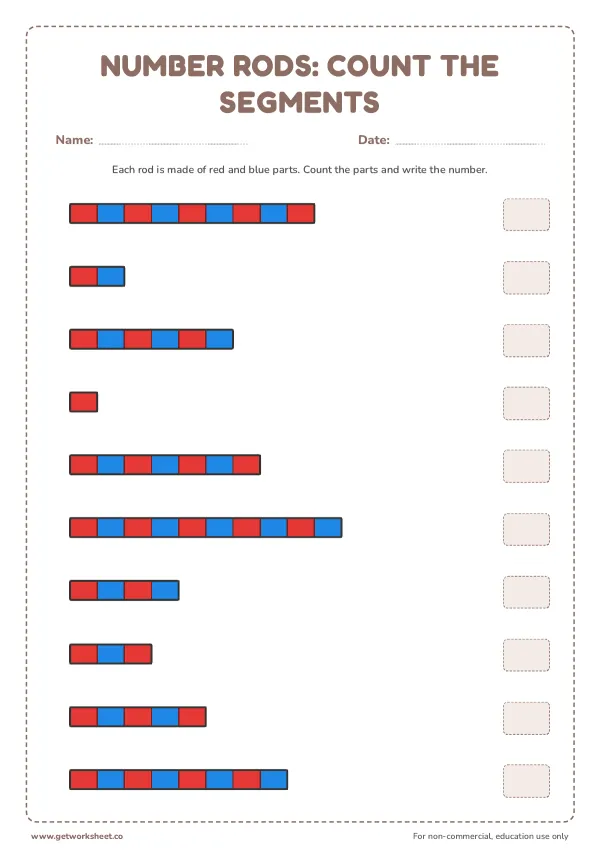
Free Montessori number rods worksheets
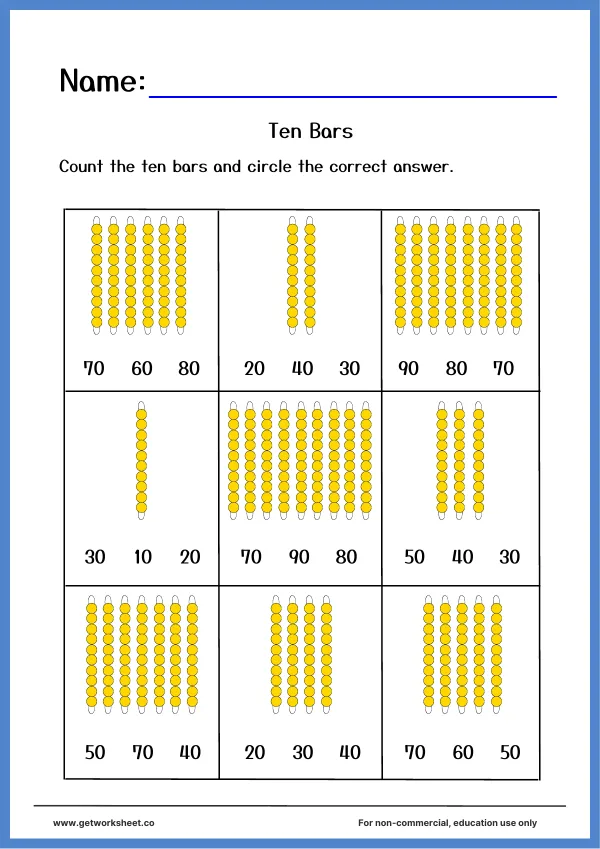
Free Montessori worksheets (PDF)
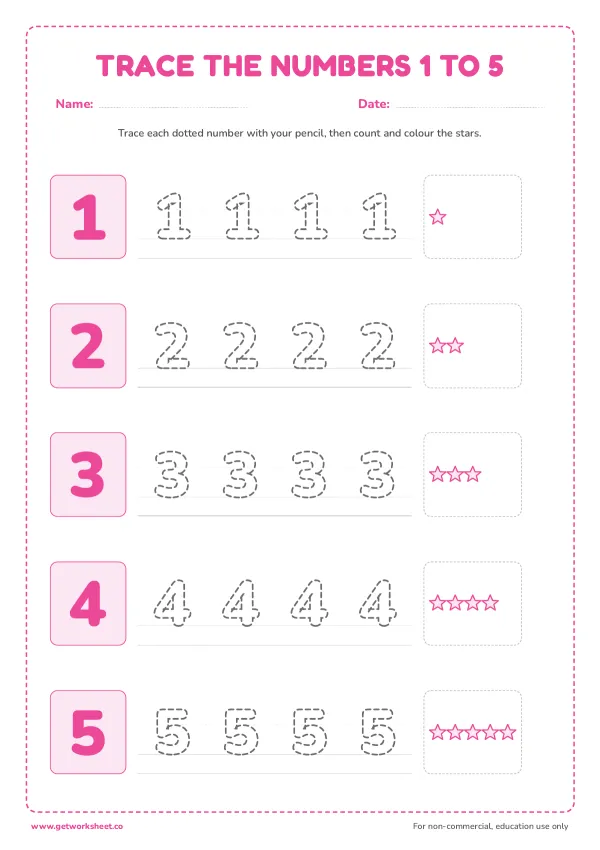
Free number tracing worksheets (1-20)
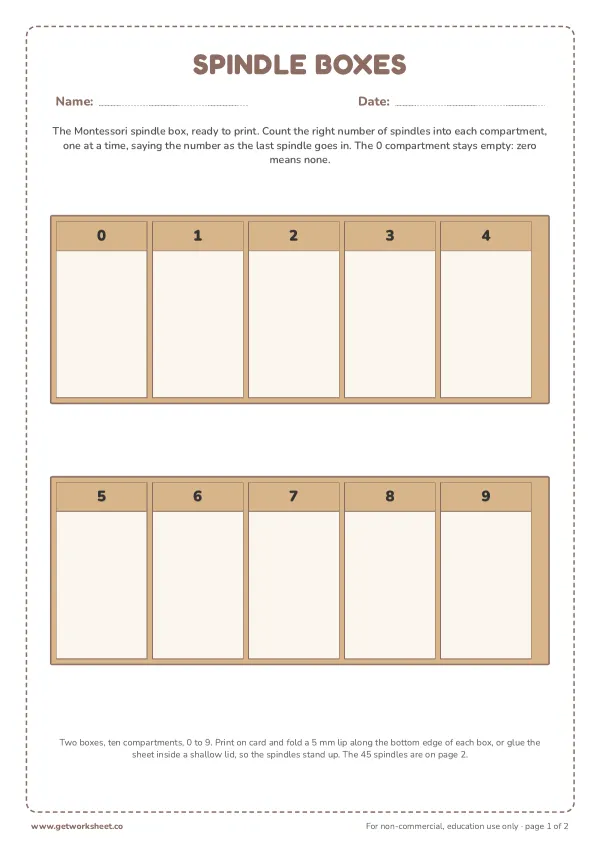
Free Montessori spindle box worksheets
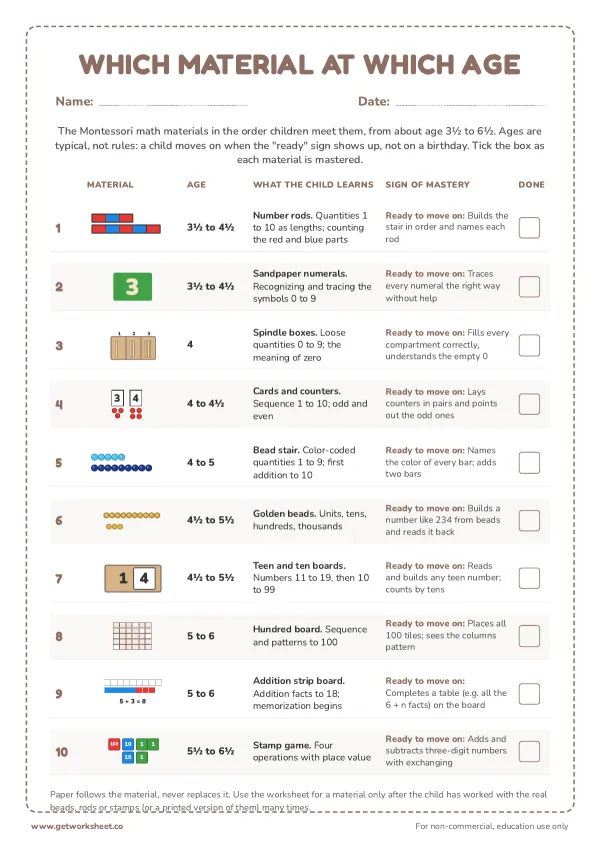
Free Montessori math worksheets: one from every material
Free penguin worksheets
Free snowman worksheets
More worksheets
- Free winter worksheets for preschool and kindergarten
- Free winter tracing worksheets
- Free heart tracing worksheets
- Free shape tracing worksheets
- Free number 20 tracing worksheets
- Free number 19 tracing worksheets
- Free number 18 tracing worksheets
- Free number 17 tracing worksheets
- Free number 16 tracing worksheets
- Free number 15 tracing worksheets
- Free number 14 tracing worksheets
- Free number 13 tracing worksheets