Maths · Preschool–Grade 1
Free unifix cubes worksheets
Free printable unifix cubes worksheets for preschool and kindergarten: count the cubes in a train, build a train to match a given number, compare two trains (more, fewer, equal), and cube train addition to 10. Answer keys included.
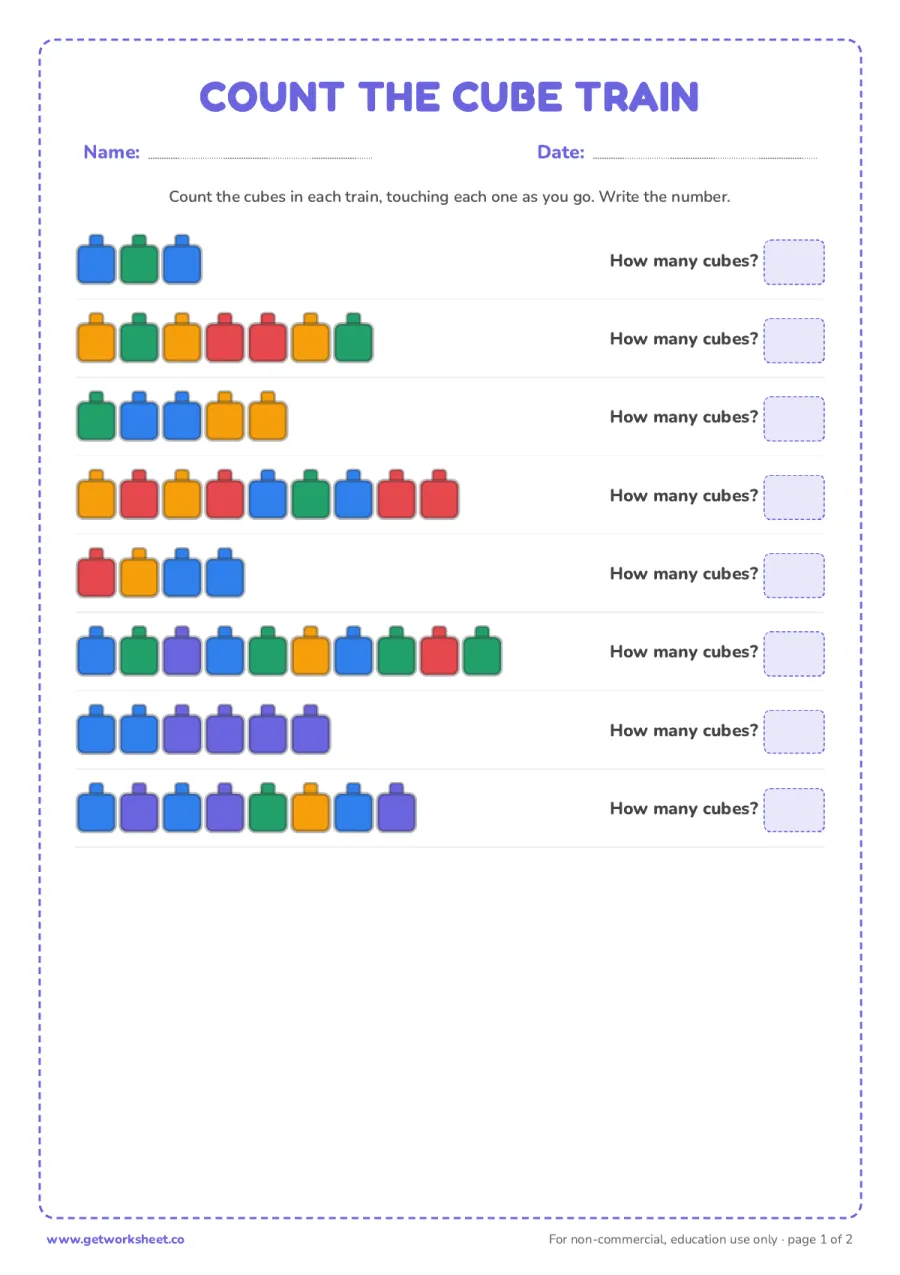
Count the cube train
Eight unifix cube trains of different lengths (3 to 10 cubes) to count. Answer key on page 2. Free printable PDF.
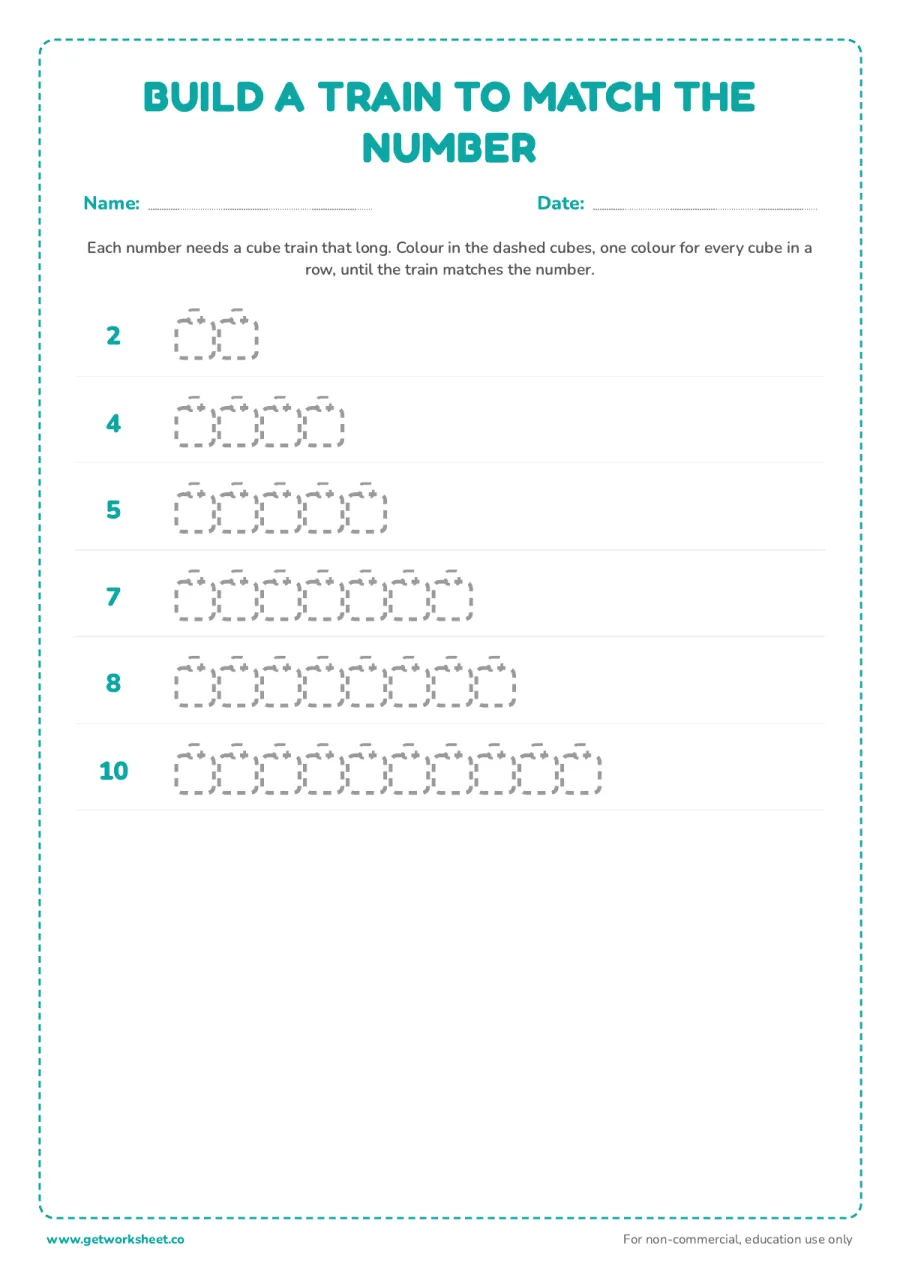
Build a train to match the number
Six numbers from 2 to 10, each with a row of dashed cube outlines to colour in so the train matches the number. Free printable PDF.
Whole set
All 4 in one PDF
- Every sheet on this page, one file
- No ads, no countdowns, print as often as you like
- Instant download, ad-free, no account needed
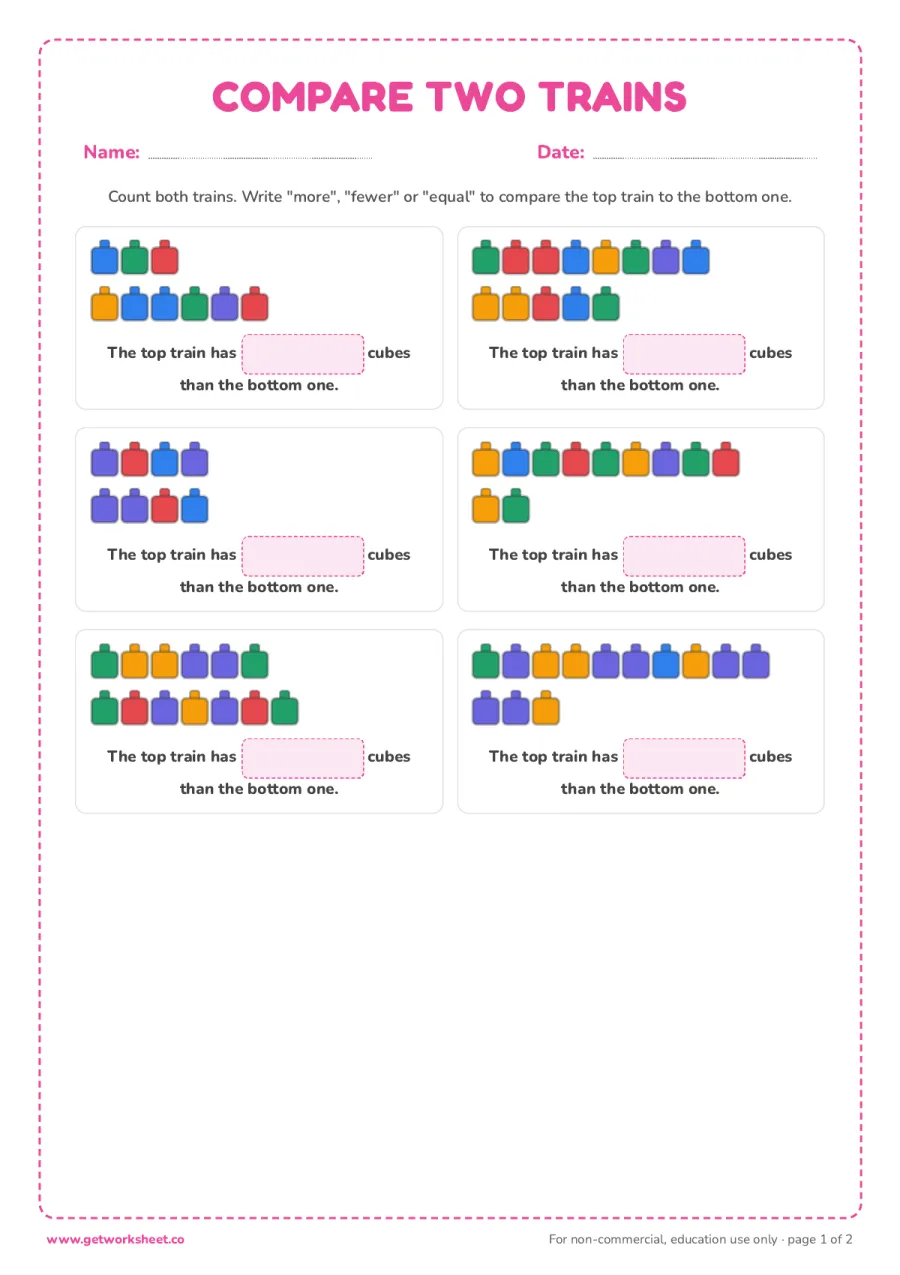
Compare two trains
Six pairs of cube trains to compare: count both and write more, fewer or equal. Answer key on page 2. Free printable PDF.
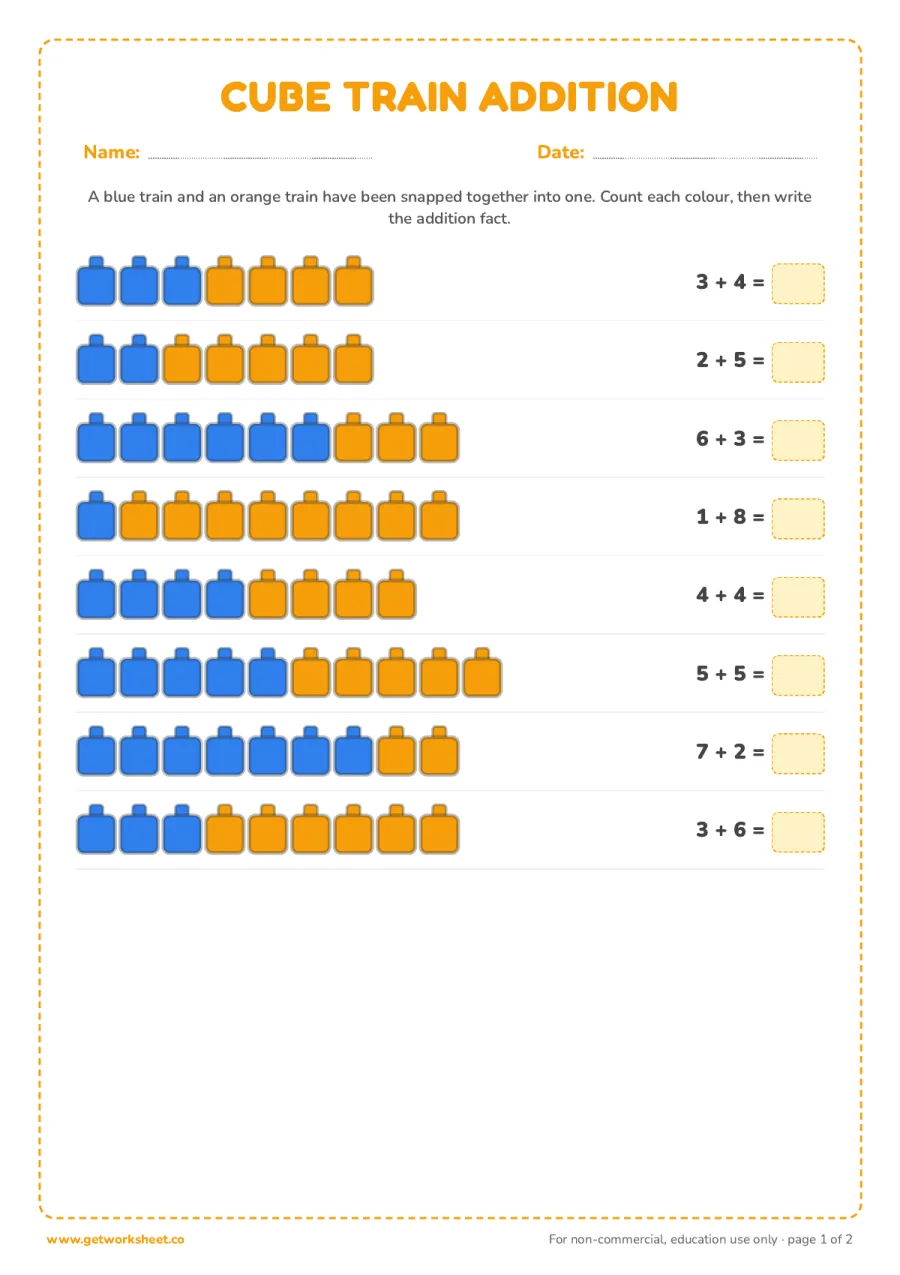
Cube train addition
Eight addition facts to 10 shown as two colours of cubes snapped into one train. Answer key on page 2. Free printable PDF.
AI worksheet generator
Make a worksheet like this for your class
The 4 sheets above are fixed. The generator writes a new unifix cubes worksheet for your grade, with the question types and count you choose, in about 20 seconds. Pick a grade to start:
What you get
- A fresh set of questions on unifix cubes, not a copy of the sheets above
- Multiple choice, fill in the blanks, true or false, open ended
- Answer key and print-ready PDF with Pro
Free account, 1 worksheets a week. No card.
Unifix cubes are the small interlocking cubes that snap together into a "train": pop one on the end and the count goes up by one, pull one off and it goes down. That hands-on snap-and-count action is exactly what these four worksheets turn into paper practice. Every cube is drawn with the little connector knob on top so a row of them reads as snapped together, not just a line of squares. The set moves from simple counting, to building a train to match a number, to comparing two trains side by side, to addition facts shown as two colours joined into one train.
What's in this set
- Count the cube train. Eight trains of different lengths, from 3 to 10 cubes, mixed colours. Count and write the number. Answer key on page 2.
- Build a train to match the number. Six numbers from 2 to 10, each with a dashed row of cube outlines already the right length: colour them in to build the train.
- Compare two trains. Six pairs of trains, one above the other. Count both and write more, fewer or equal. Answer key on page 2.
- Cube train addition. Eight addition facts to 10, each shown as a blue train and an orange train snapped into one. Count each colour, write the fact. Answer key on page 2.
Free printable makers
Make your own unifix cubes sheets
Type your own words or numbers and print in about 30 seconds. No account, no AI, answer key where it applies.
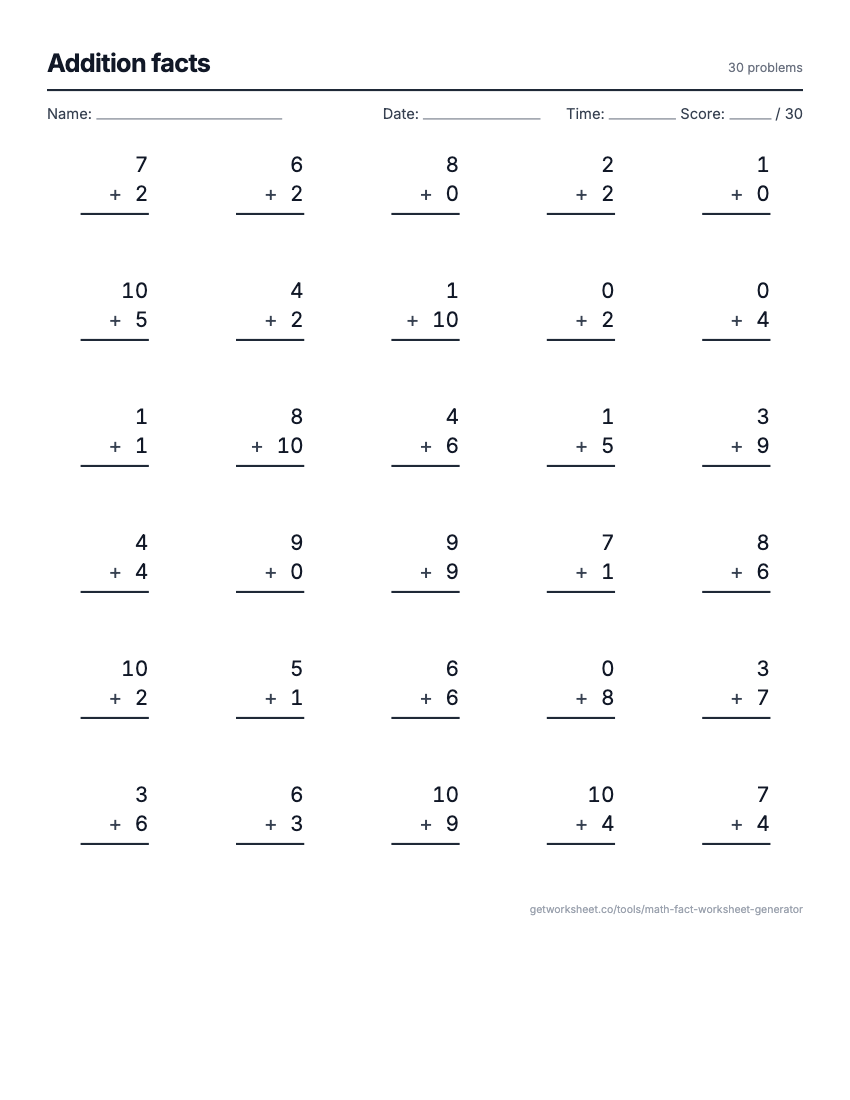 Math fact worksheet generatorAddition to division drills with an answer key. Free to print.
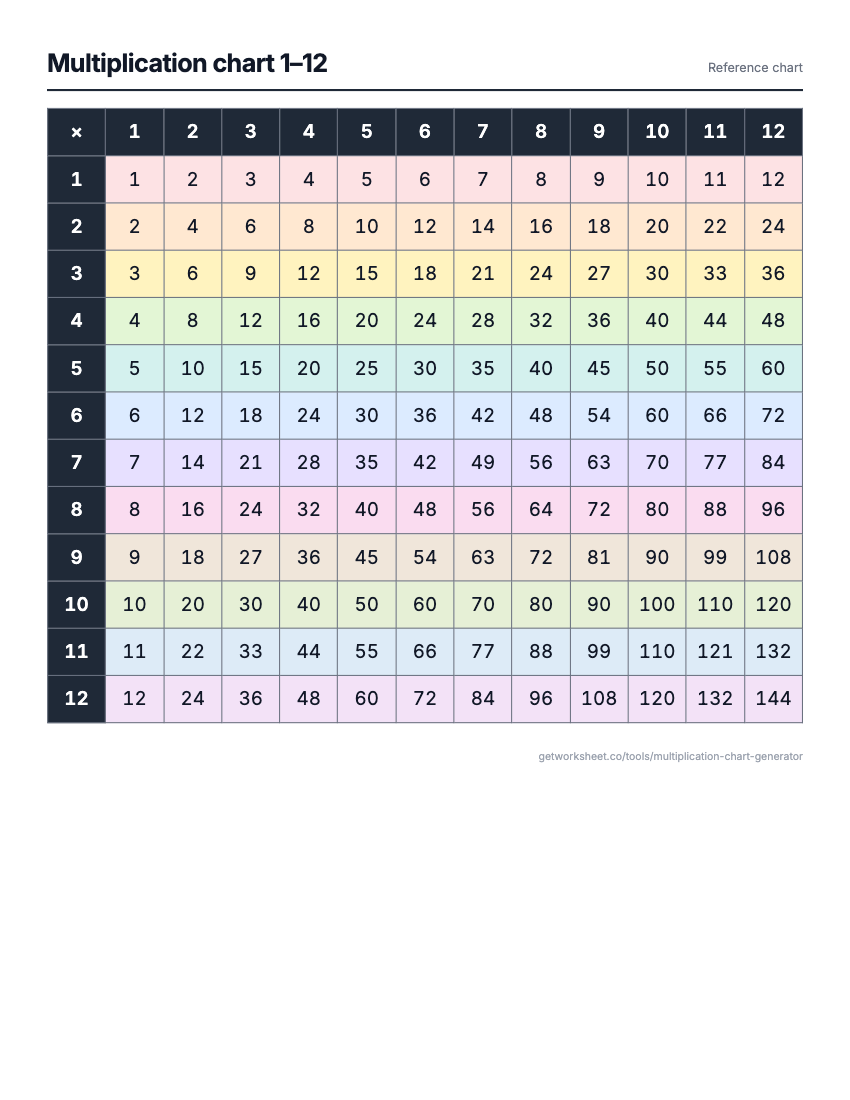 Multiplication chart generatorCharts to 15, full, blank or coloured, and times table tests with key. Free to print.
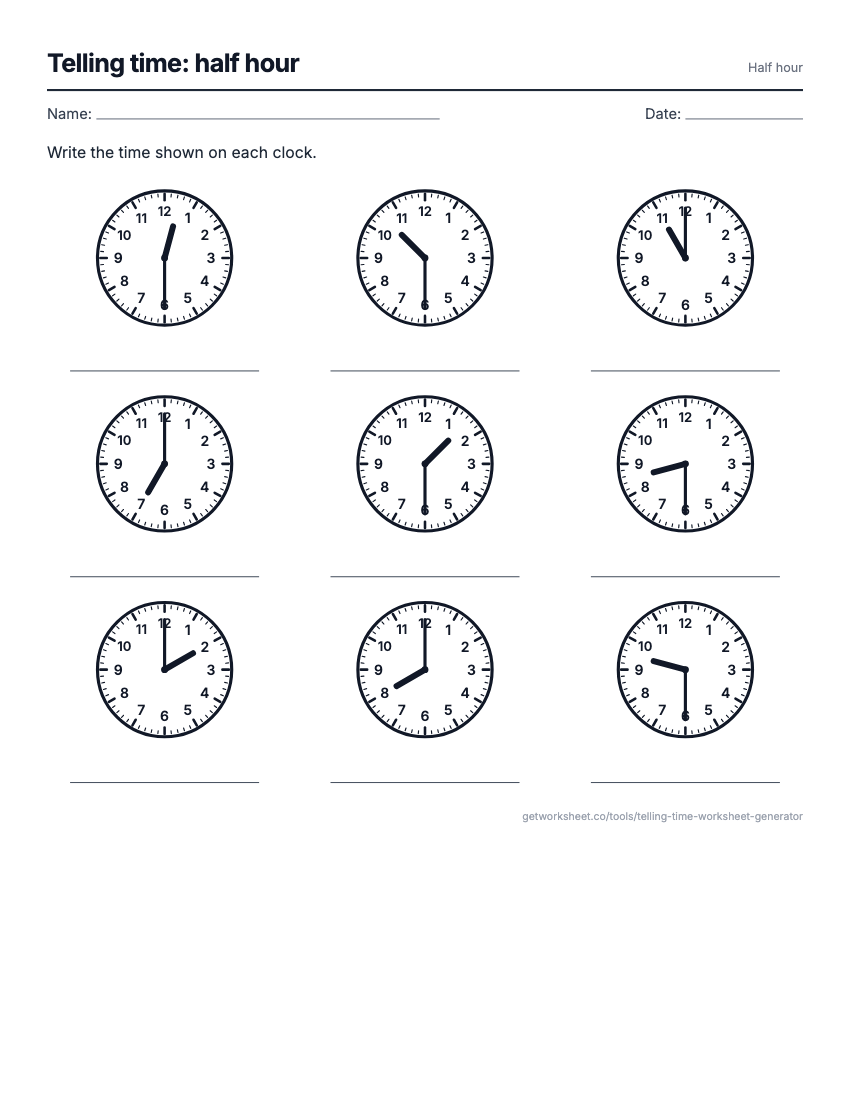 Telling time worksheet generatorAnalogue clocks to read, draw, match or add time to, with answer key. Free to print.
AI worksheet generator
Need a different unifix cubes worksheet?
Generate a custom unifix cubes worksheet: pick the grade, question types and count, and print it in about 20 seconds. Free accounts get 1 generation a week.
Teaching tips and common mistakes
How to use these worksheets
If you have real unifix cubes, build each train with the child before they fill in the worksheet; the paper page is practice for counting without the manipulative, not a replacement for it on the first try.
- Count the cube train. Touch each cube as you count out loud. Mixed colours are deliberate: a child who counts by colour group instead of one-by-one will miscount, so this page checks real one-to-one counting.
- Build a train to match the number. The dashed outlines are already the correct length, so the task is colouring, not drawing from scratch. Use one colour per cube or alternate two colours; either is fine as long as the count is right.
- Compare two trains. Count the top train first, then the bottom, then compare. For the equal pair, check that the child still counts both rather than assuming they look the same length.
- Cube train addition. The two colours are the two addends: blue first, then orange. Count each colour separately before counting the whole train, so the addition fact actually means something.
Common mistakes to watch for
- Losing the count partway along a train. Especially on the longer trains (8, 9, 10) or when several cubes in a row share a colour. Touching each cube, not just looking, fixes this.
- Counting the knobs instead of the cubes. Each cube has one knob, so the counts match, but a child who is counting shapes rather than cubes can get confused on where one cube ends and the next begins. Point at the cube body, not the knob, if this happens.
- Guessing "more" or "fewer" by eye. Trains of similar length can look equal, or a shorter train of fatter-looking cubes can look longer. Always count before comparing.
Frequently asked questions
What are unifix cubes?
Small plastic cubes, usually about 2 cm, that interlock on one face so children can snap them into a "train" or stack them into a tower. They are a common classroom manipulative for counting, comparing and early addition because each cube is exactly one unit.
What age are unifix cubes worksheets for?
Ages 3 to 7. Counting a train and building one to match a number suit preschool and kindergarten (K.CC); comparing two trains and cube train addition suit kindergarten and grade 1 (K.CC.C.6, 1.OA.A.1).
Do these worksheets have answer keys?
Yes. Count the cube train, compare two trains and cube train addition each have an answer key on page 2 of their PDF. Build a train to match the number is a colouring page with nothing to mark.
Why do the cubes have mixed colours instead of one colour per train?
So the page actually tests counting rather than letting a child guess the total from a familiar block of one colour. Real unifix cube sets come in several colours for the same reason.
More counting practice
For the same idea with ten-frames instead of cubes, see the ten frame worksheets. The Montessori number rods worksheets use fixed red-and-blue segmented rods instead of loose cubes for the same count-and-compare idea. For addition practice beyond 10, try the number bonds worksheets.
Free library
Related collections
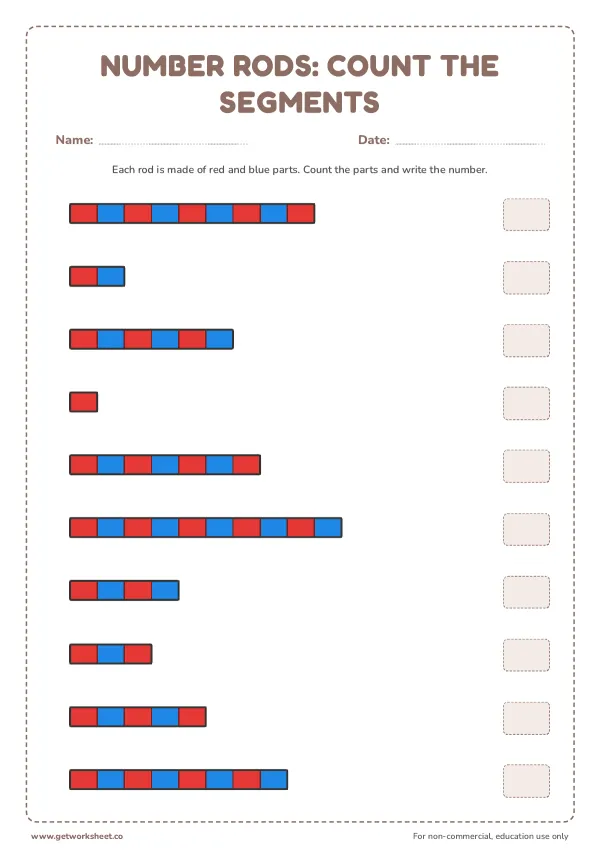
Free Montessori number rods worksheets
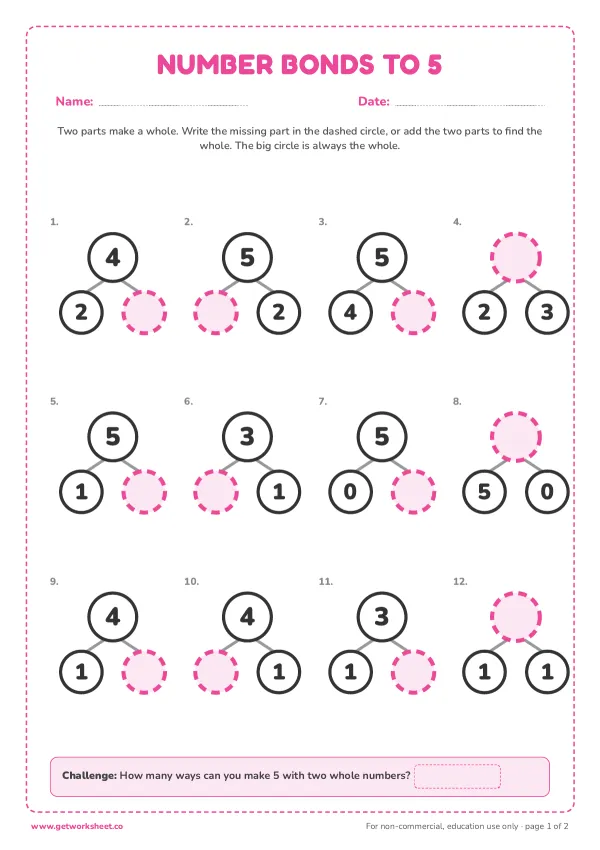
Free number bonds worksheets
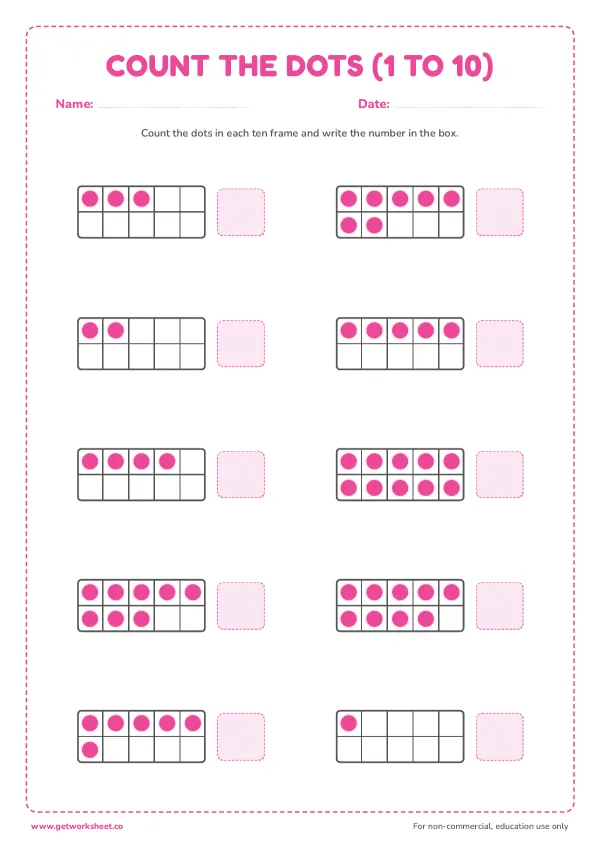
Free ten frame worksheets
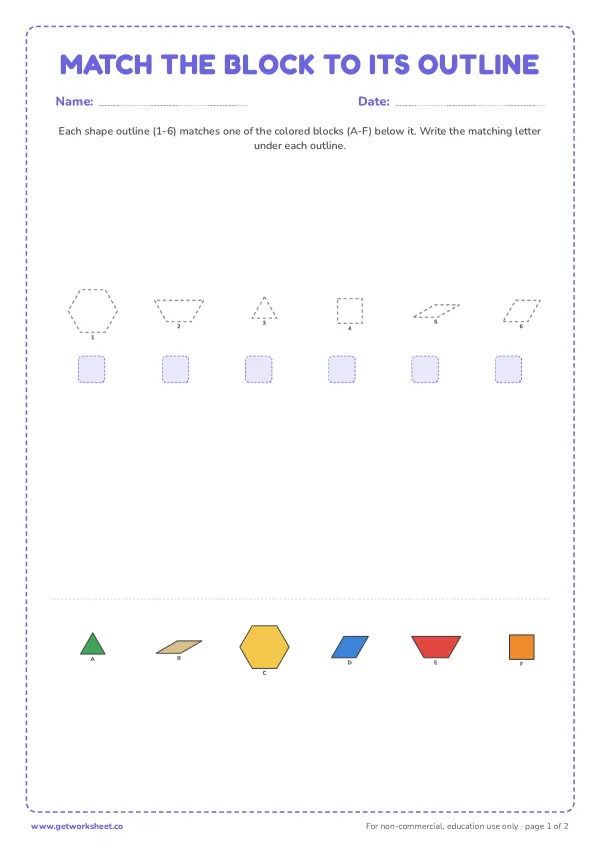
Free pattern blocks worksheets
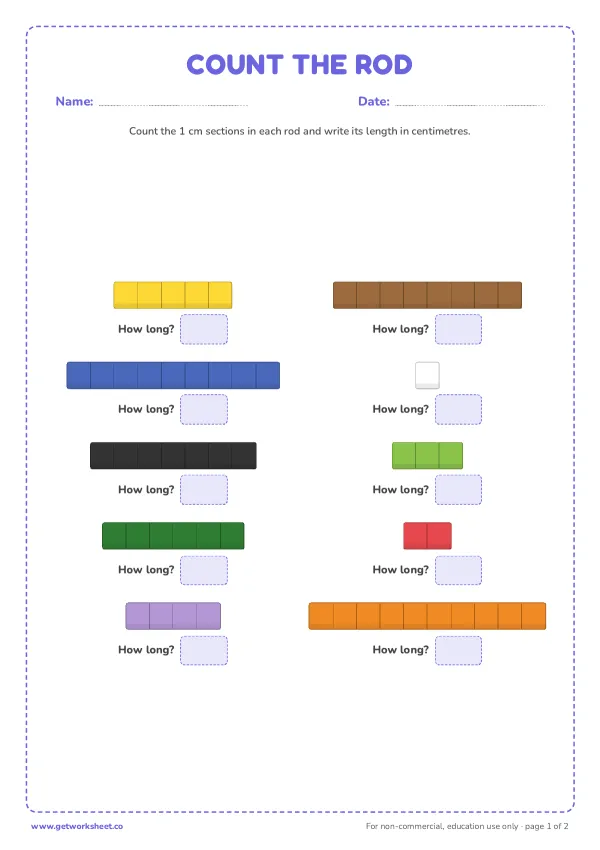
Free cuisenaire rods worksheets
Free diamond tracing worksheets
Free hexagon, pentagon and octagon tracing worksheets
Free star tracing worksheets
More worksheets
- Free Montessori spindle box worksheets
- Free penguin worksheets
- Free snowman worksheets
- Free winter worksheets for preschool and kindergarten
- Free winter tracing worksheets
- Free heart tracing worksheets
- Free Montessori math worksheets: one from every material
- Free shape tracing worksheets
- Free number 20 tracing worksheets
- Free number 19 tracing worksheets
- Free number 18 tracing worksheets
- Free number 17 tracing worksheets