Maths · Preschool–Kindergarten
Free rectangle tracing worksheets
Three printable rectangle tracing worksheets for preschool and kindergarten: nine large dashed rectangles, sixteen small ones in a 4 by 4 grid, then mixed sizes, each with a start dot.
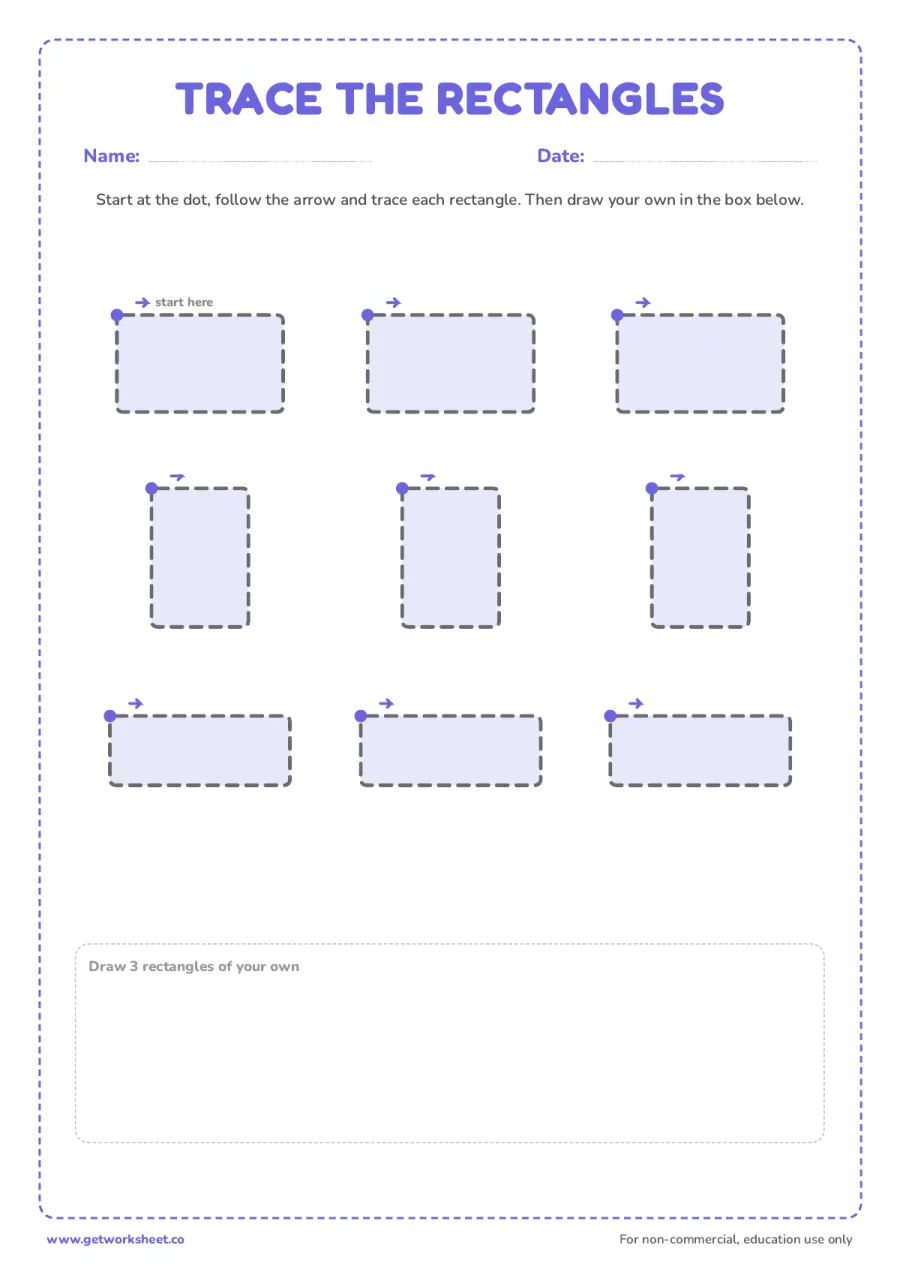
Trace the rectangles: 9 large shapes, then draw 3 more
Nine large dashed rectangles in three rows (wide, tall, long) with a start dot and arrow on each; child traces the sides then draws three more below.
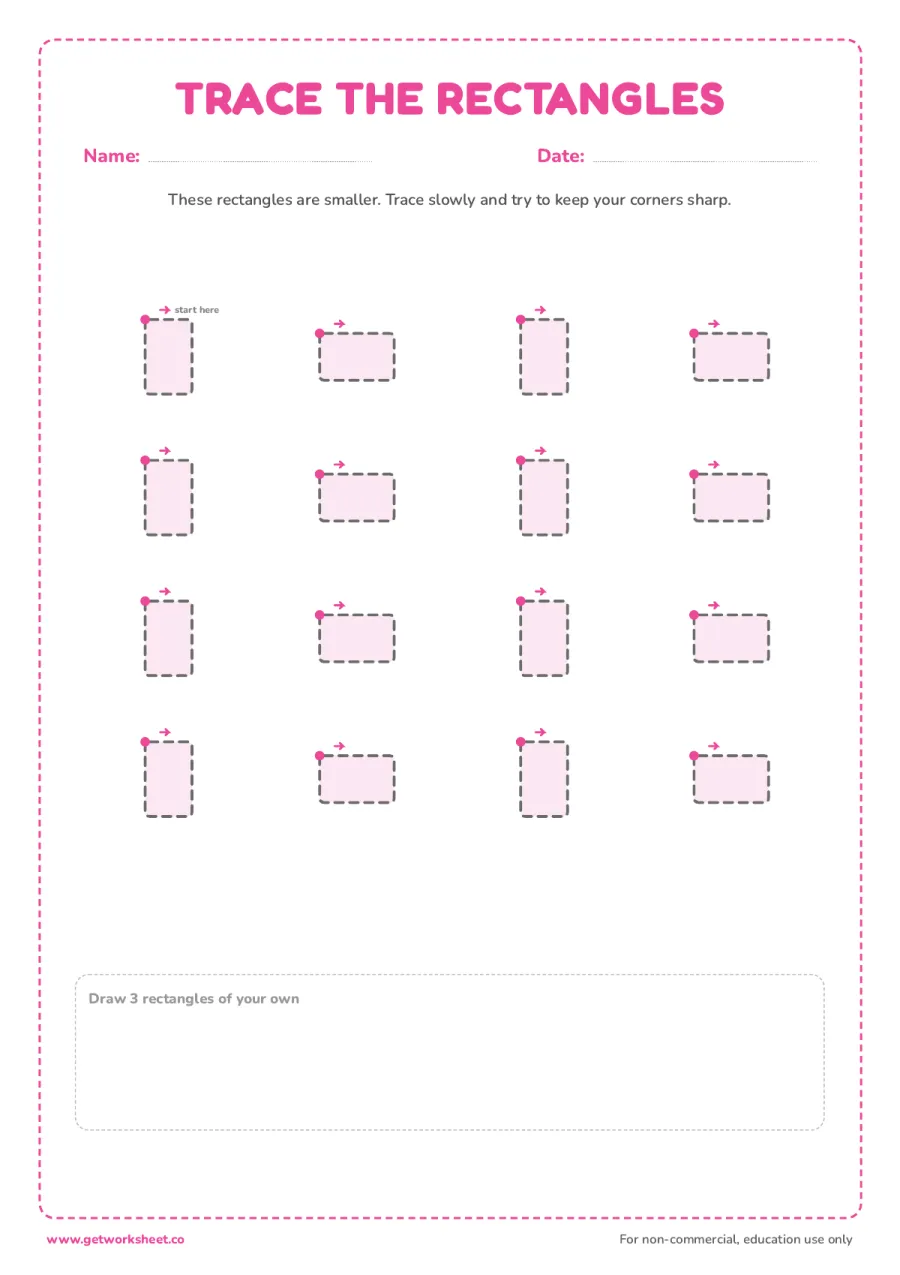
Trace the rectangles: 16 small shapes in a 4 by 4 grid
Sixteen small dashed rectangles, four per row, alternating tall and wide, each with a start dot; child traces slowly with sharp corners, then draws 3.
Whole set
All 3 in one PDF
- Every sheet on this page, one file
- No ads, no countdowns, print as often as you like
- Instant download, ad-free, no account needed
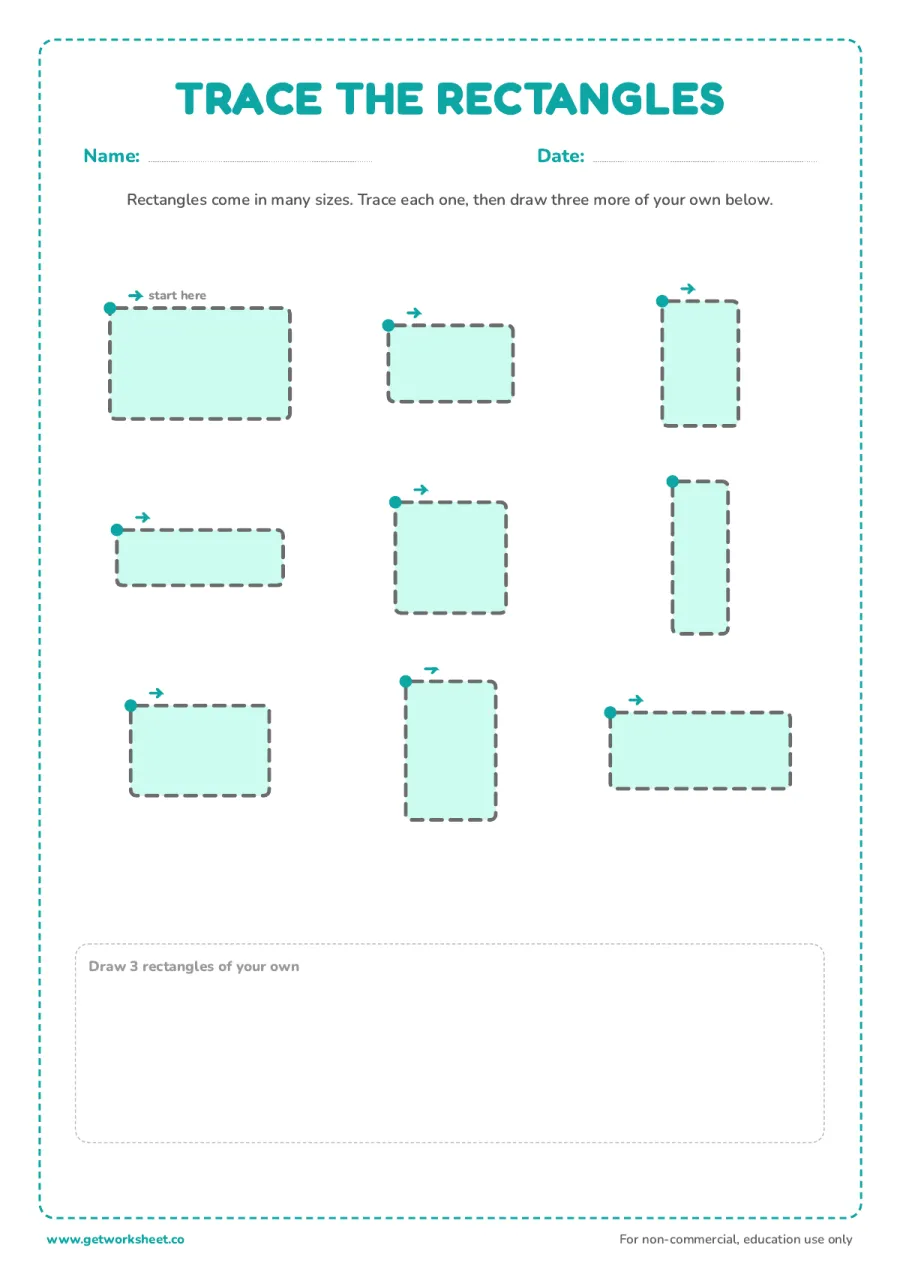
Trace the rectangles: mixed sizes, wide, tall and long
Nine dashed rectangles of different sizes and proportions, each with a start dot and arrow; child traces each one then draws three more in the box.
AI worksheet generator
Make a worksheet like this for your class
The 3 sheets above are fixed. The generator writes a new rectangle tracing worksheet for your grade, with the question types and count you choose, in about 20 seconds. Pick a grade to start:
What you get
- A fresh set of questions on rectangle tracing, not a copy of the sheets above
- Multiple choice, fill in the blanks, true or false, open ended
- Answer key and print-ready PDF with Pro
Free account, 1 worksheets a week. No card.
A rectangle is the first shape with corners most children learn to draw, and it is harder than it looks. Unlike a circle, the pencil has to stop, change direction and start again four times, which is exactly the control children need later for letters like E, F, H and L. These three worksheets build that movement gradually. Sheet one has nine large dashed rectangles in three rows (wide, tall and long), each with a start dot and arrow. Sheet two has sixteen small dashed rectangles in a 4 by 4 grid, alternating tall and wide, each with a start dot, for slower and more precise tracing. Sheet three has nine dashed rectangles of mixed sizes and proportions with a start dot and arrow on each. Every sheet ends with space to draw three rectangles without dashed lines.
What Students Will Practice
- Tracing rectangles along dashed lines, starting at the marked dot and following the arrow
- Stopping cleanly at each corner instead of rounding it off
- Drawing straight horizontal and vertical lines of different lengths
- Recognizing that a rectangle keeps its name whether it is tall, wide, large or small
- Drawing three rectangles independently in the space at the bottom of each sheet
Rectangle tracing supports the pre-writing and fine motor goals of preschool programs and the Kindergarten geometry standard K.G.A.2, which asks children to correctly name shapes regardless of their orientation or size.
Free printable makers
Make your own rectangle tracing sheets
Type your own words or numbers and print in about 30 seconds. No account, no AI, answer key where it applies.
 Sudoku generator4x4, 6x6 and 9x9 sudoku with numbers, letters or shapes, one solution each. Free to print.
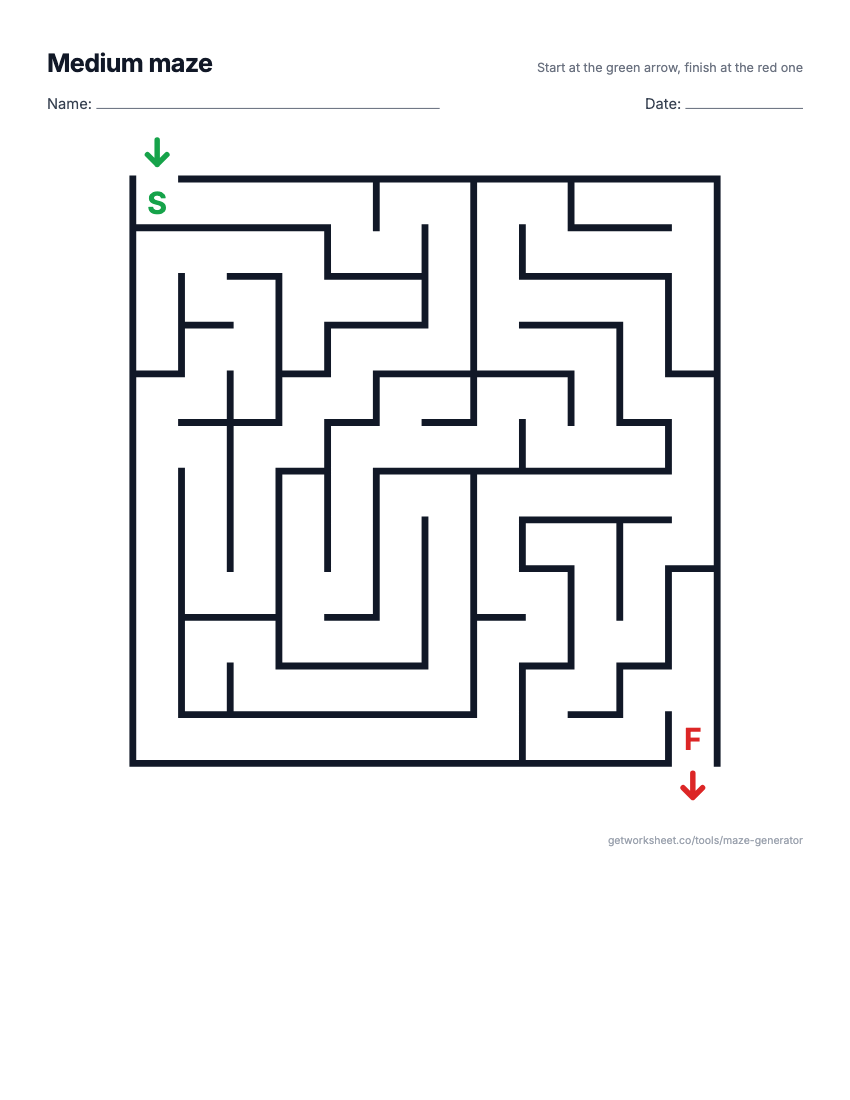 Maze generatorEasy to expert mazes, square or circle, with a solution page. Free to print.
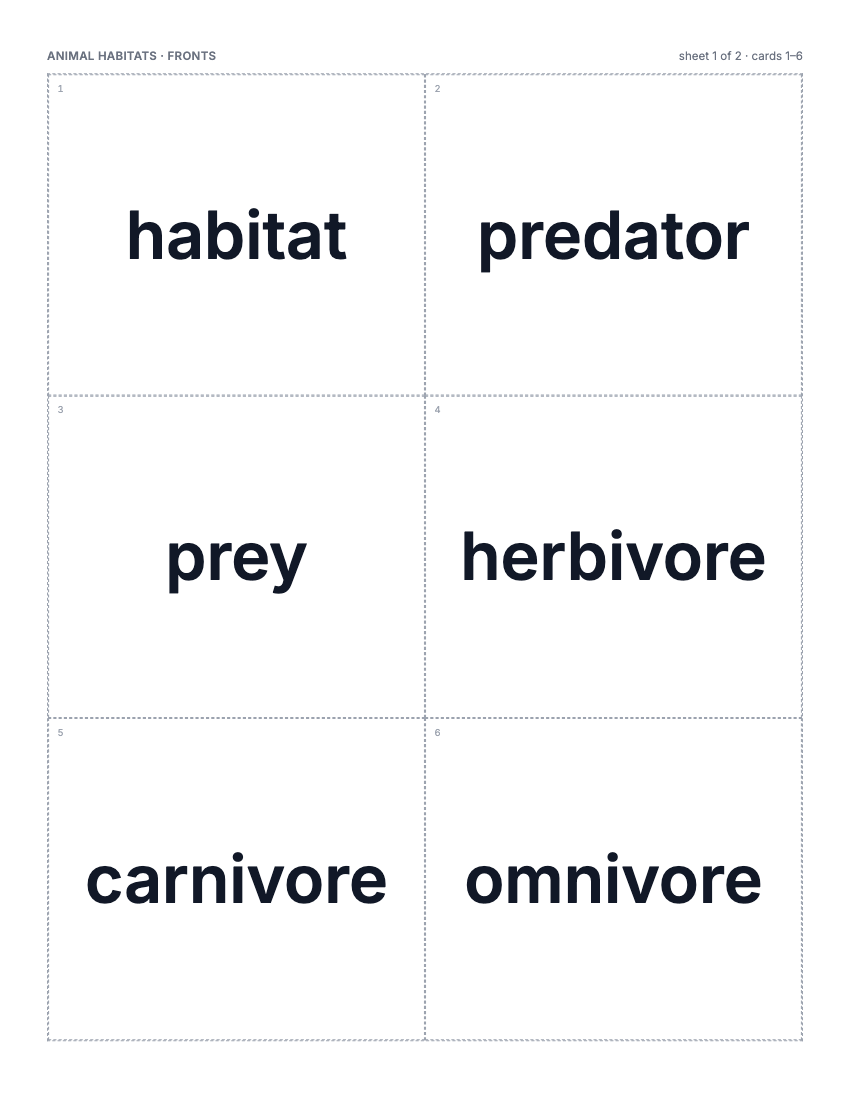 Flashcard makerVocabulary, math fact or sight word cards, 2-8 a page, two-sided or fold-over. Free to print.
AI worksheet generator
Need a different rectangle tracing worksheet?
Generate a custom rectangle tracing worksheet: pick the grade, question types and count, and print it in about 20 seconds. Free accounts get 1 generation a week.
Teaching tips and common mistakes
How to Use These Worksheets
Print at 100% on A4 or US Letter paper. Each sheet takes five to ten minutes.
- Start with sheet one. The nine large rectangles give small hands plenty of room. Show your child the dot, say “start here”, and trace the first one together with a finger before using a pencil.
- Say the sides out loud. “Across, down, back, up.” Naming each stroke helps children plan the corners and stops them drifting into an oval shape.
- Move to sheet two when corners are sharp. The sixteen smaller rectangles need more precise control and are a good fit for kindergarten.
- Finish with sheet three. The mixed sizes and orientations show that a tall thin shape and a wide flat shape are both rectangles. Ask your child to point to the tallest and the widest before tracing.
- Use the drawing box. Drawing three rectangles without dashed lines is the real test. Look for four straight sides and four corners, not perfection.
Common Mistakes to Watch For
- Rounded corners: The pencil never fully stops. Ask your child to lift the pencil slightly at each corner for the first few attempts.
- Sides that do not meet: Usually a sign of drawing too fast. Slow, deliberate strokes matter more than finishing the page.
- Confusing rectangles and squares: A square is a special rectangle with four equal sides. If your child asks, say “yes, a square is a rectangle too” rather than correcting them.
- Lifting the pencil mid-side: Encourage one smooth line per side. Tracing in the air with a big arm movement first often fixes this.
Frequently Asked Questions
What age are rectangle tracing worksheets for?
Most children are ready between ages 3 and 5. Start after circles and lines feel comfortable, since rectangles need a controlled stop at each corner. Sheet one suits preschool; sheets two and three suit kindergarten.
Why do the rectangles have a dot and an arrow?
The dot shows where to start and the arrow shows which way to go. A consistent start point builds the habit of planning a shape before drawing it, which carries over to letter formation.
Should we trace with a pencil or a crayon?
A chunky crayon or a triangular pencil is easier for very young children to grip. Move to a standard pencil once the grip is comfortable. Slipping the sheet into a plastic sleeve and using a dry-erase marker lets you reuse it.
What comes after tracing rectangles?
Drawing rectangles freehand in the box at the bottom of each sheet, then using rectangles in pictures such as houses, doors, windows and books. Combining shapes into drawings is the next step in most early geometry programs.
More Shape Tracing Practice
Work through the whole shape family with our circle tracing worksheets, square tracing worksheets and triangle tracing worksheets. For children who are ready to move from shapes to numerals, try the number tracing worksheets 1 to 20, and for straight-line control the line tracing worksheets. Our shapes worksheets cover naming and sorting shapes once tracing is secure.
Free library
Related collections
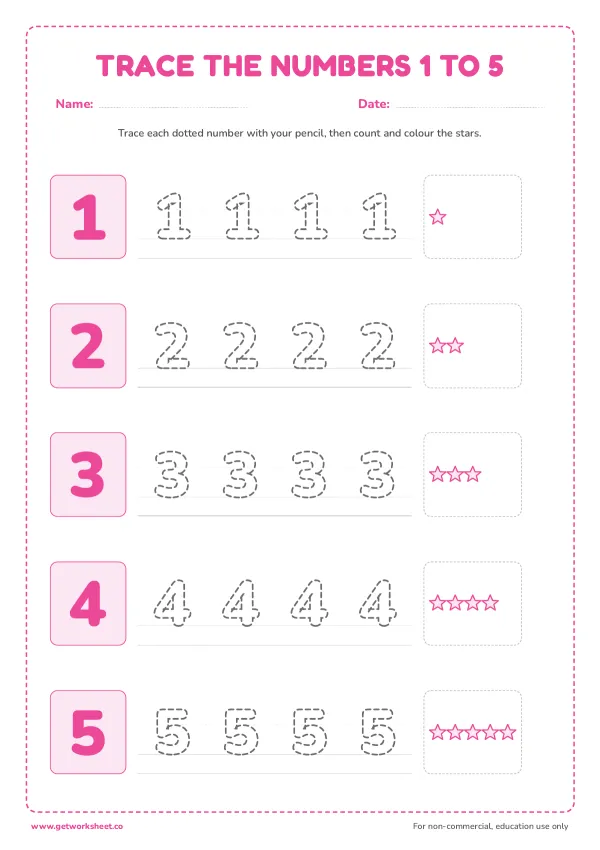
Free number tracing worksheets (1-20)
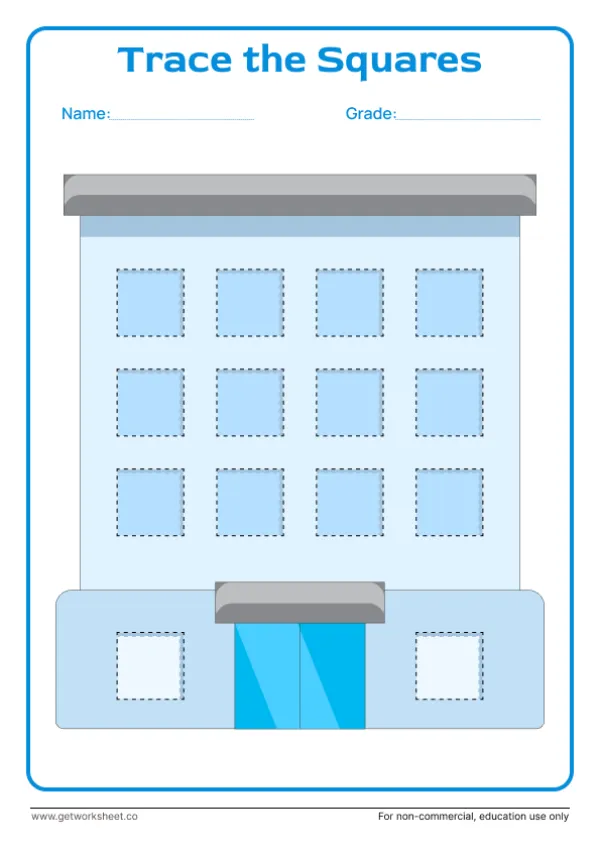
Free square tracing worksheets
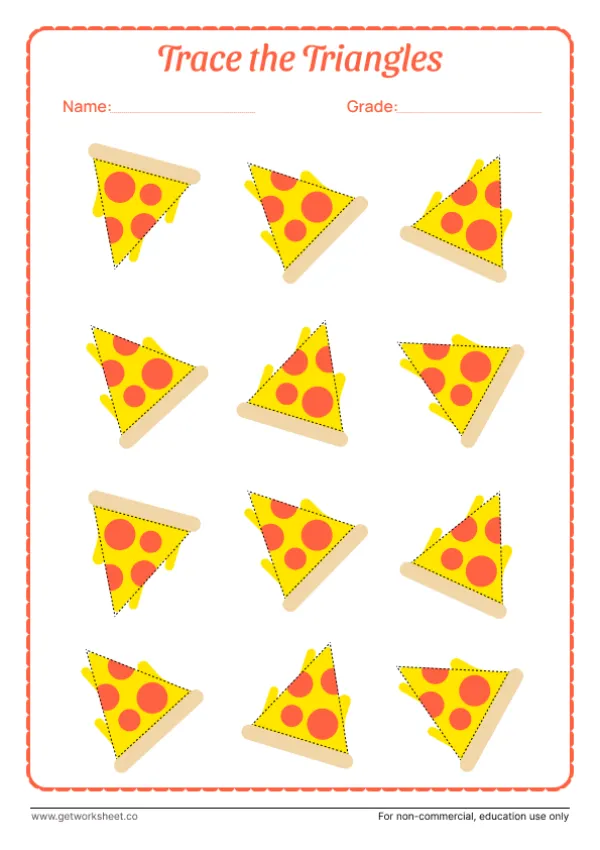
Free triangle tracing worksheets
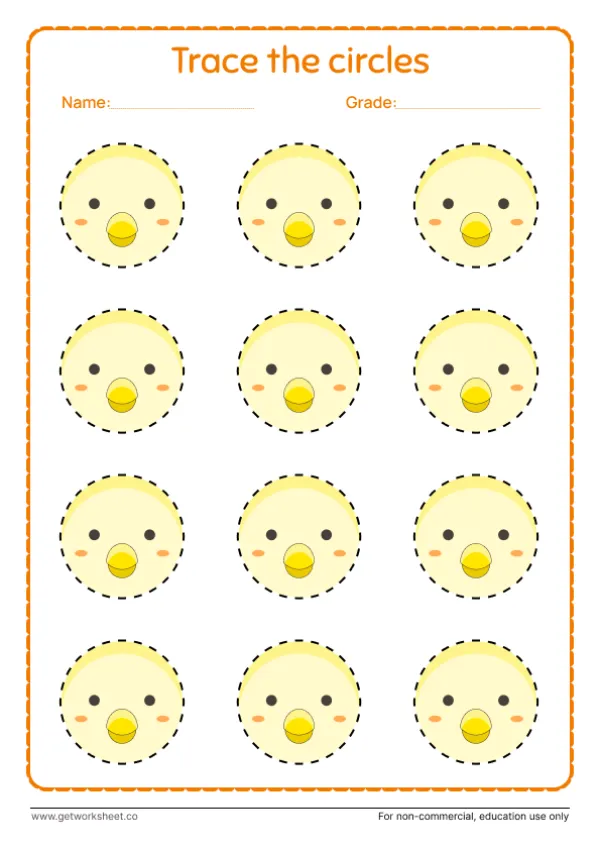
Free circle tracing worksheets
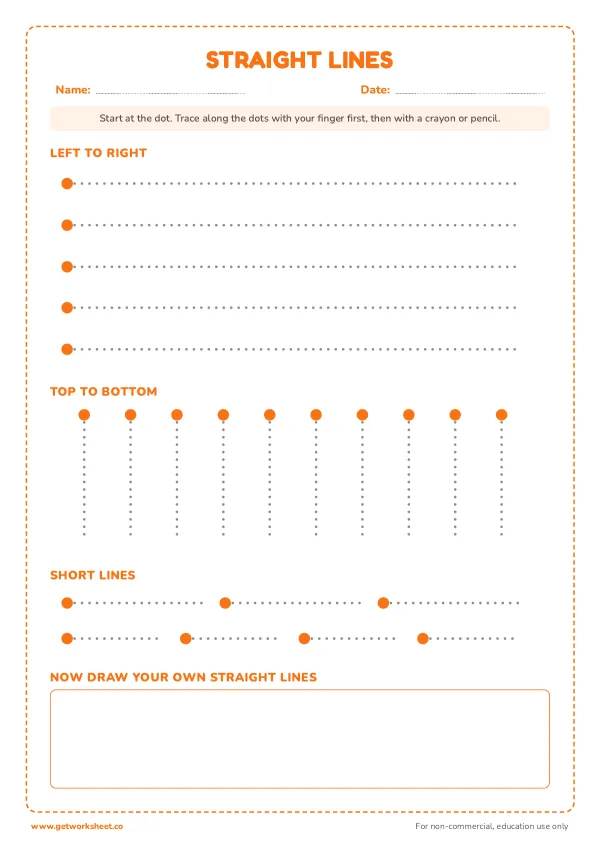
Free line tracing worksheets
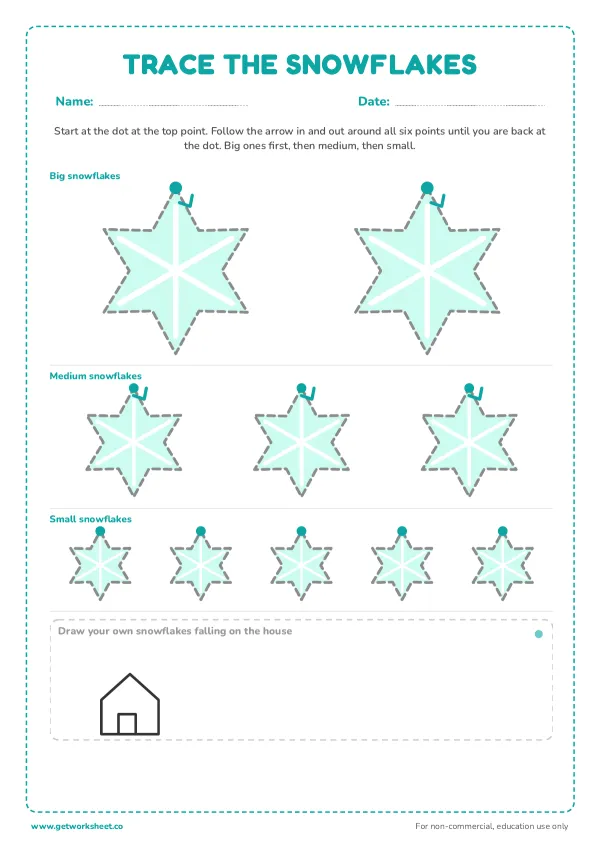
Free winter tracing worksheets
Free heart tracing worksheets
Free shape tracing worksheets
More worksheets
- Free number 20 tracing worksheets
- Free number 19 tracing worksheets
- Free number 18 tracing worksheets
- Free number 17 tracing worksheets
- Free number 16 tracing worksheets
- Free number 15 tracing worksheets
- Free number 14 tracing worksheets
- Free number 13 tracing worksheets
- Free number 12 tracing worksheets
- Free number 11 tracing worksheets
- Free number 10 tracing worksheets
- Free number 9 tracing worksheets