Maths · Preschool–Grade 2
Free Montessori worksheets (PDF)
Free printable Montessori worksheets PDF: number rods, bead stair, sandpaper numerals, golden beads, teen board, hundred board and stamp game, organized by age from 3 to 6. Download and print.
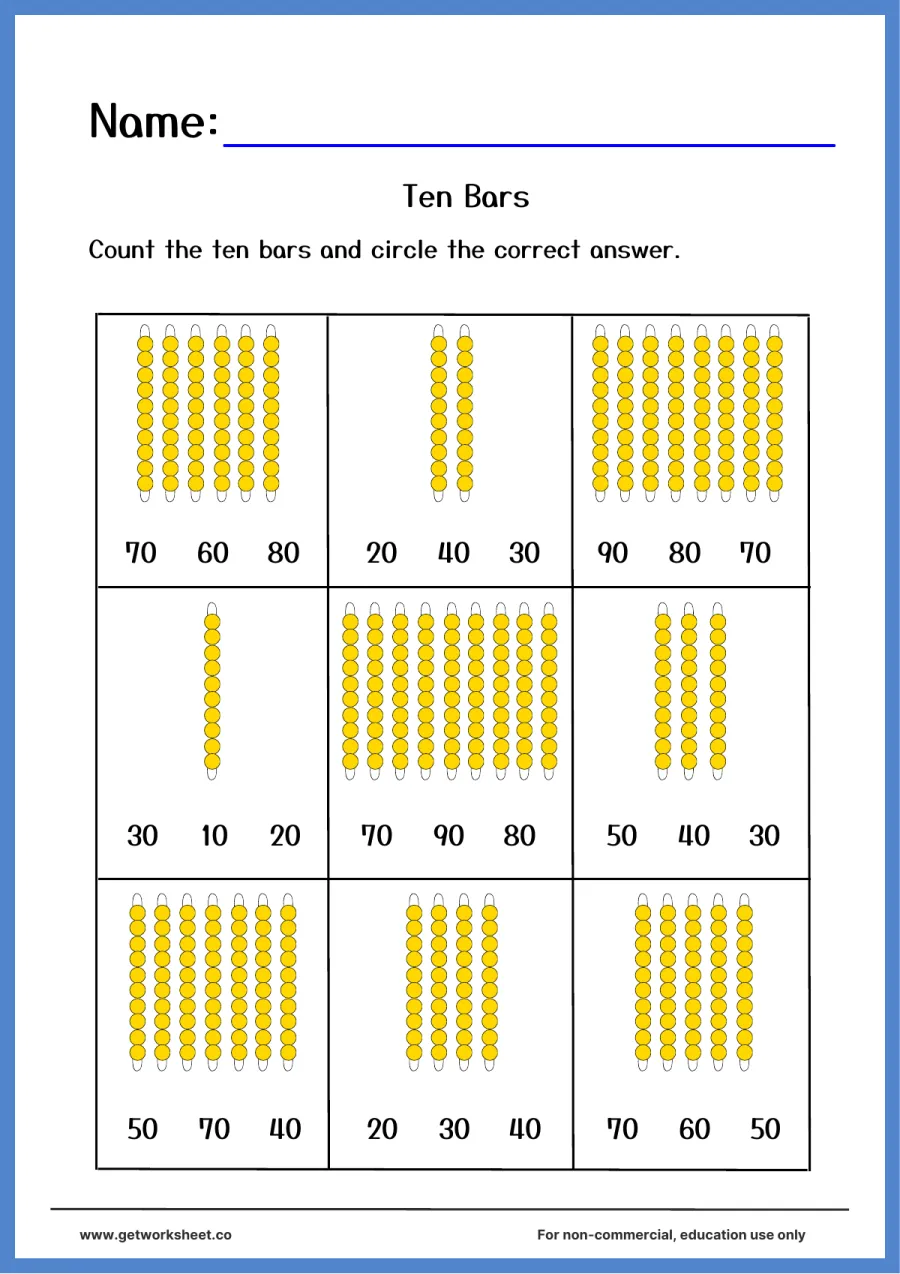
Ten bars: count the golden bead bars, circle the total
Nine boxes each show a set of golden ten bars; child counts by tens and circles the correct total from three choices such as 70, 60, 80.
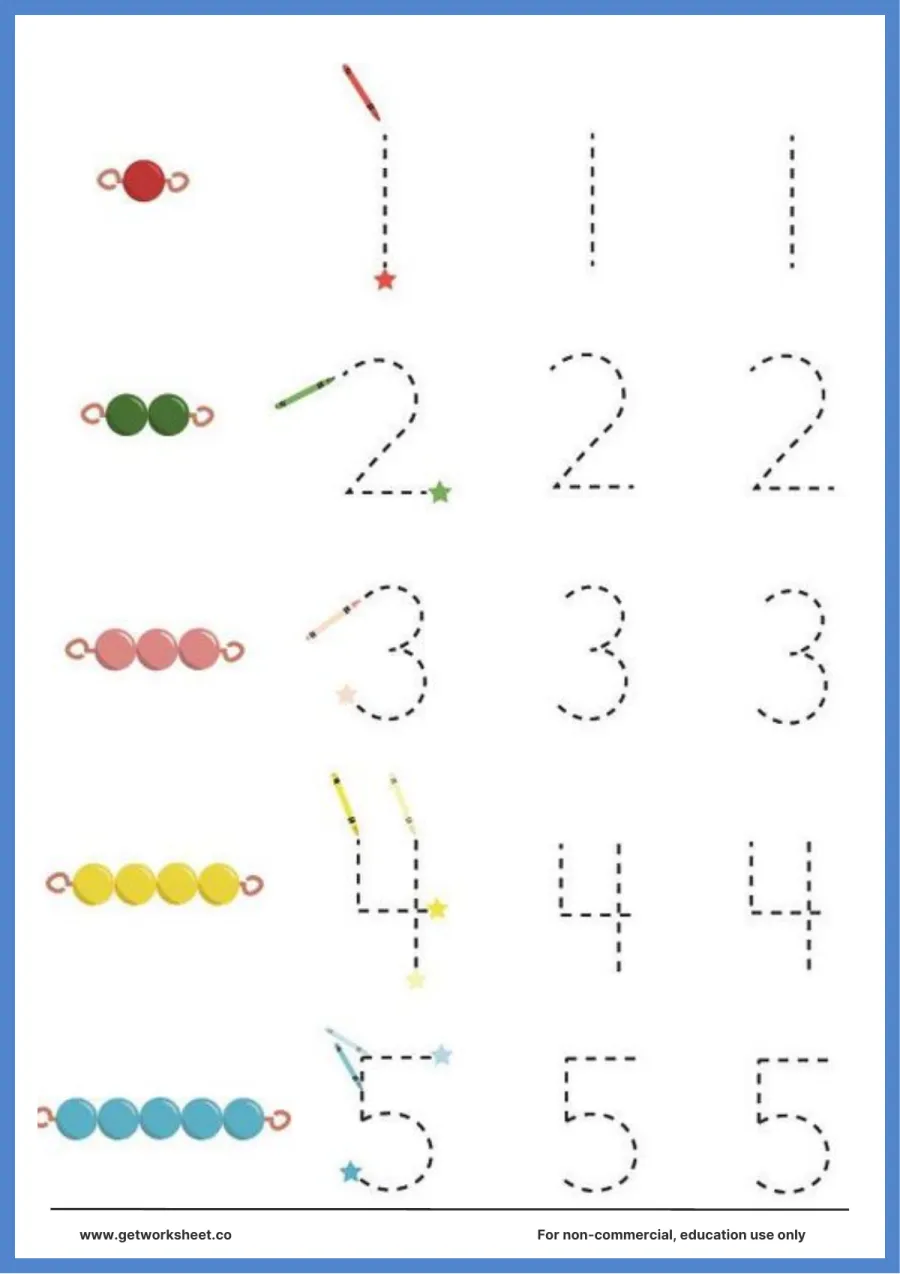
Bead bars 1 to 5: trace the number beside each bar
Coloured bead bars for 1 to 5 sit beside dotted numerals with a start dot; child counts the beads and traces each number three times.
Complete pack
All 8 + 6 bonus, one PDF
- The 8 free sheets on this page
- 6 bonus sheets you will not find anywhere else
- Instant download, ad-free, no account needed
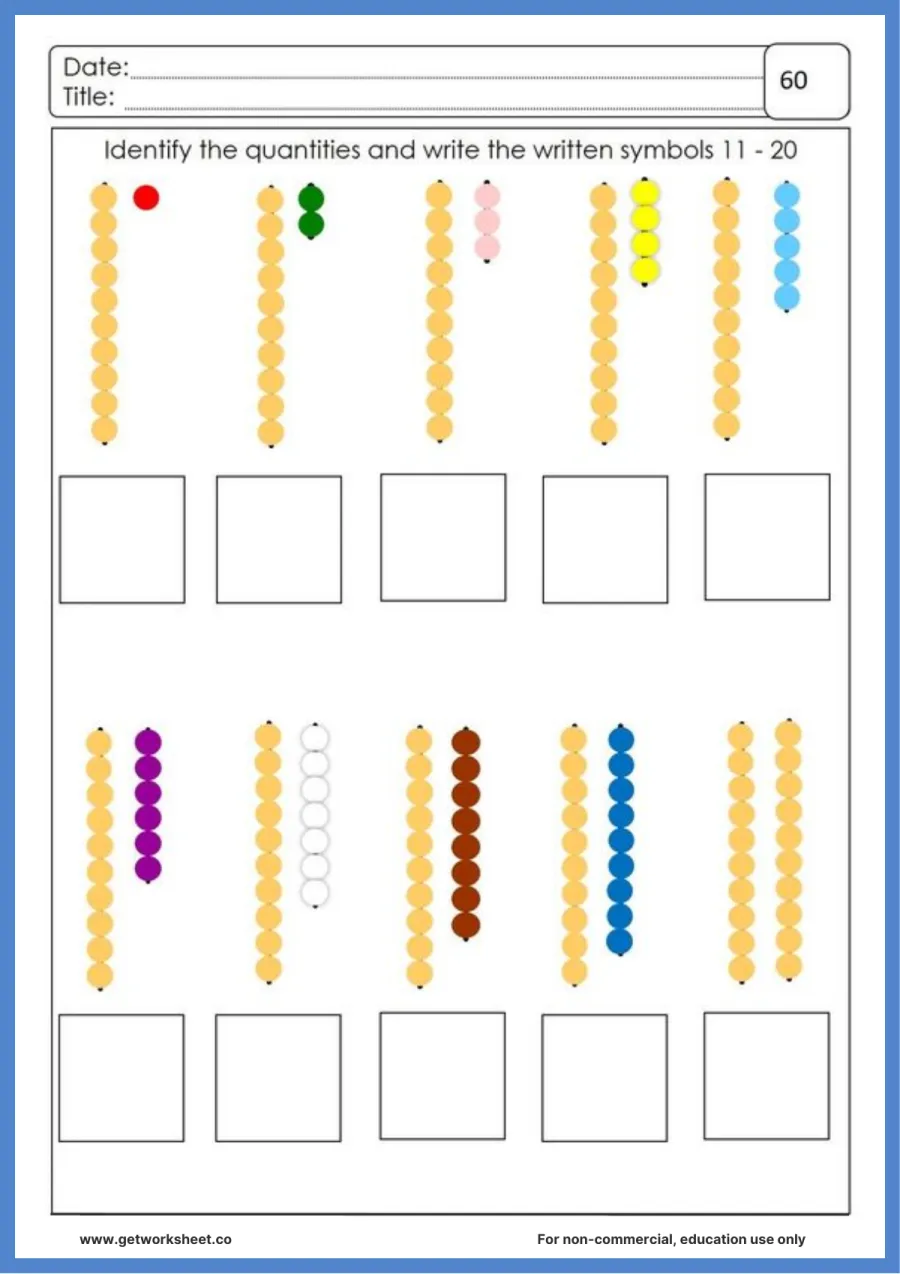
Teen beads 11 to 20: write the quantity under each ten bar
Ten golden ten-bars each paired with a short coloured bead bar; child identifies the quantity from 11 to 20 and writes the numeral in the box below.
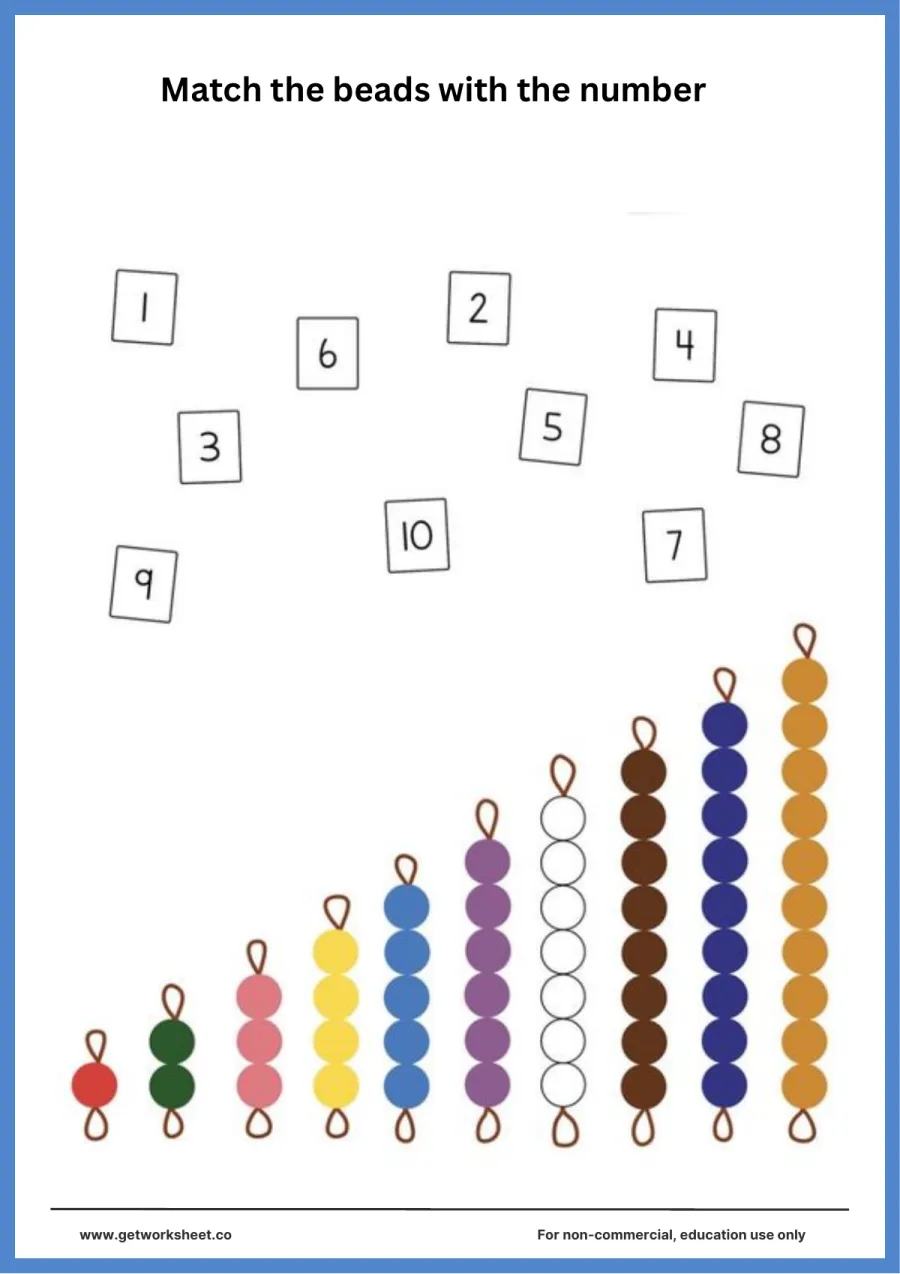
Bead stair: match each coloured bar to its number card
Bead stair bars from 1 (red) to 10 (golden) along the bottom and scattered number cards 1 to 10 above; child draws lines to match bar to number.
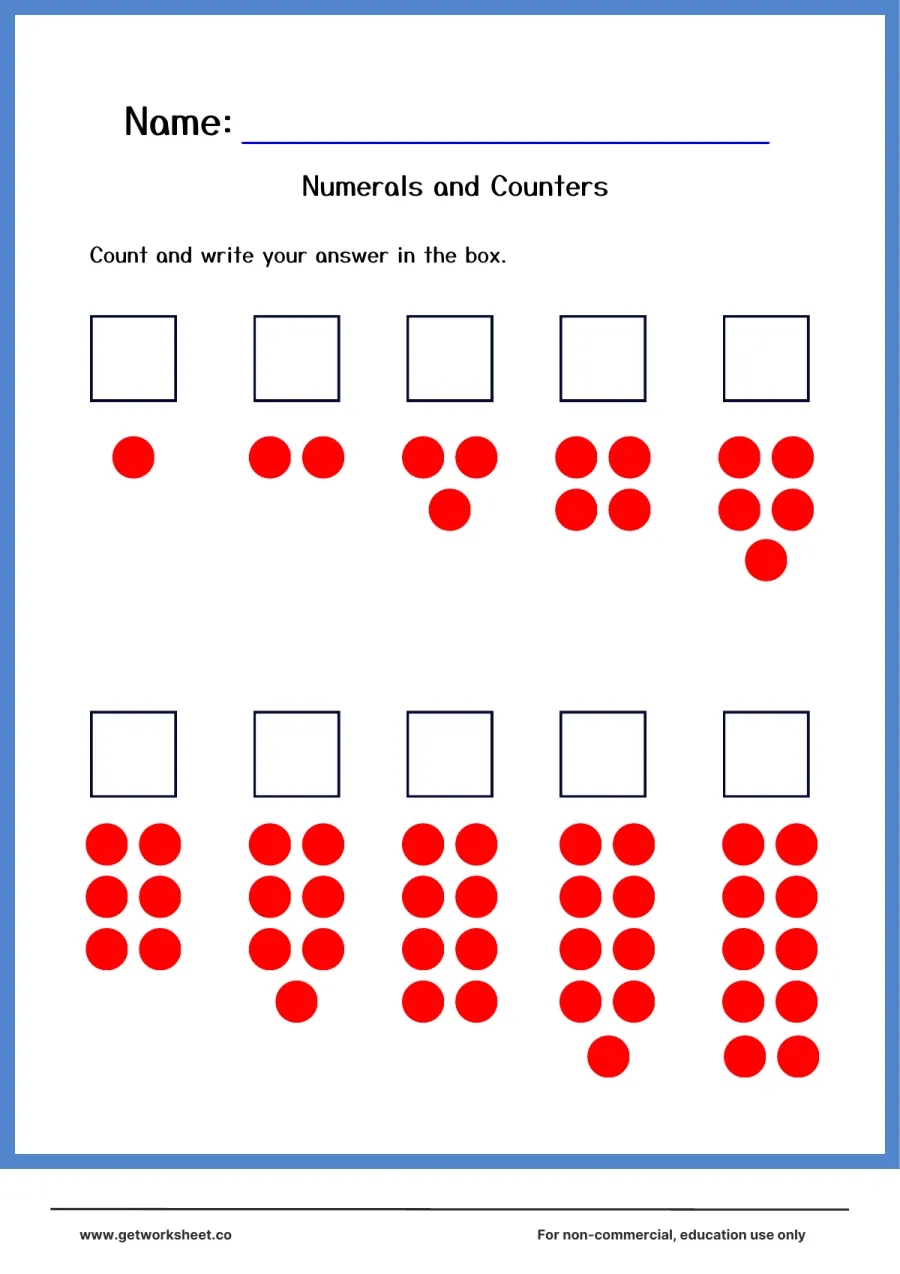
Numerals and counters: count red dots 1 to 10 and write
Two rows of red counter arrangements from 1 to 10 with an empty box above each; child counts the dots and writes the numeral.
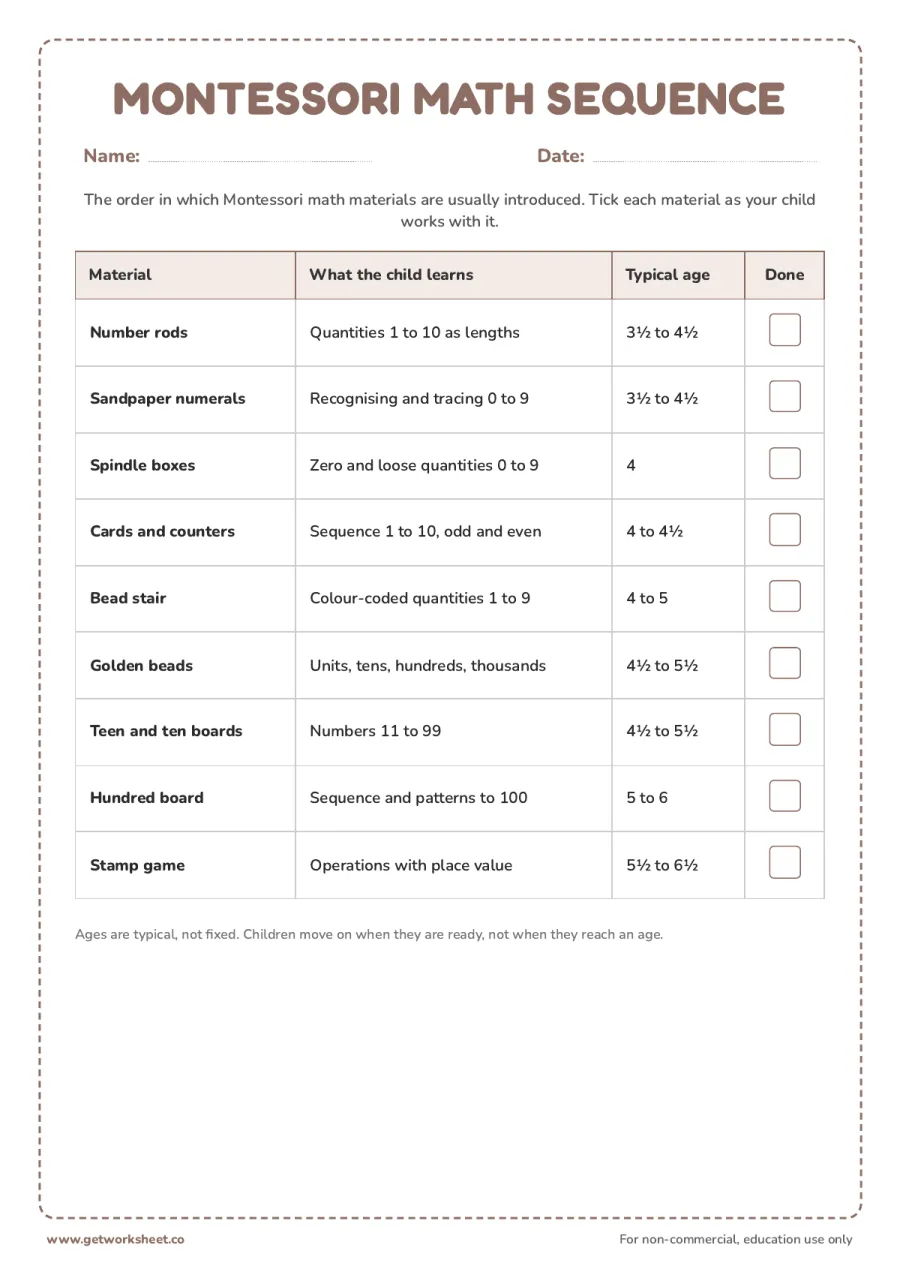
Montessori math materials sequence chart
A one-page checklist of the Montessori math materials in the order they are introduced, with typical ages. Free printable PDF.
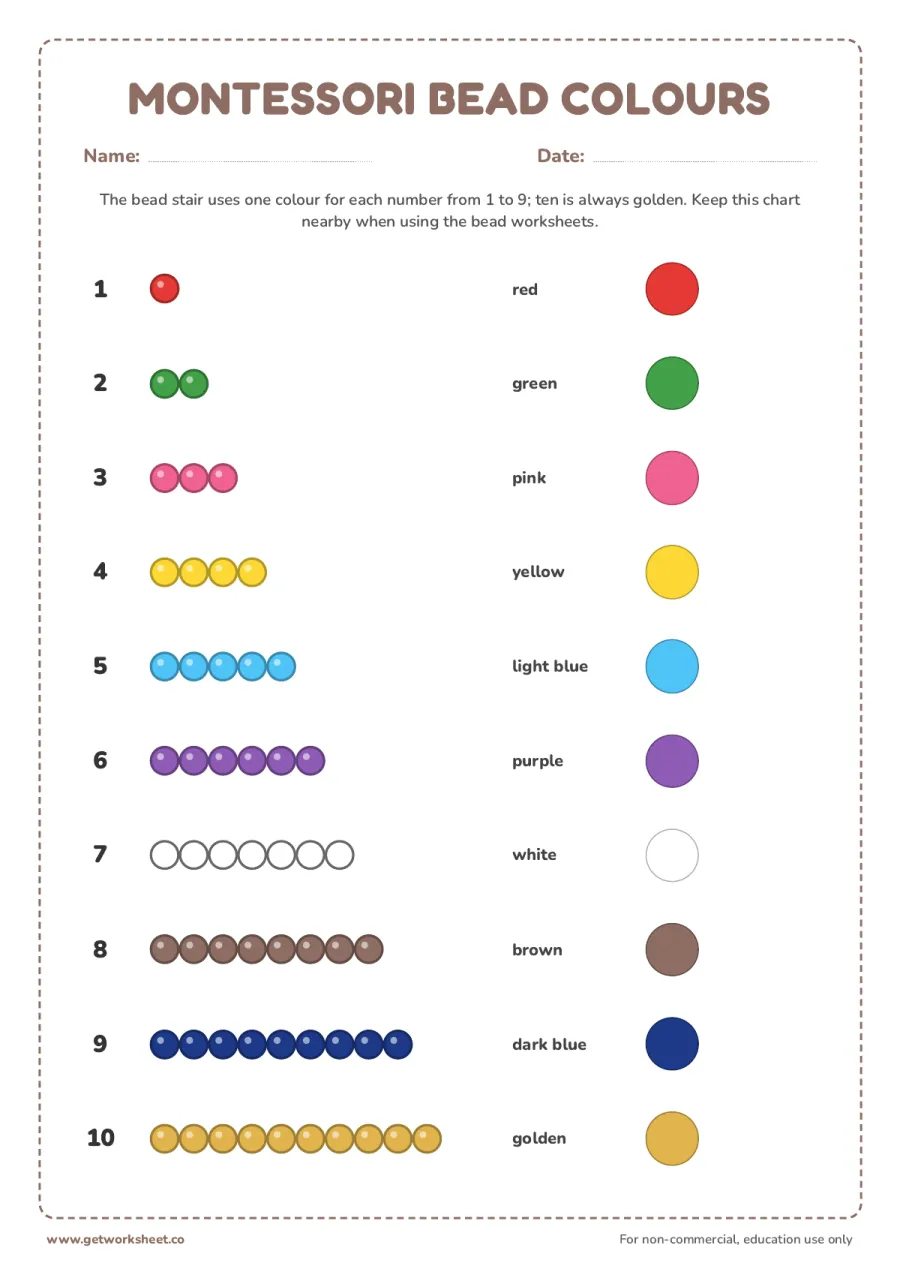
Montessori bead colours chart
Reference chart of the bead stair colours 1 to 9 and the golden ten. Free printable PDF.
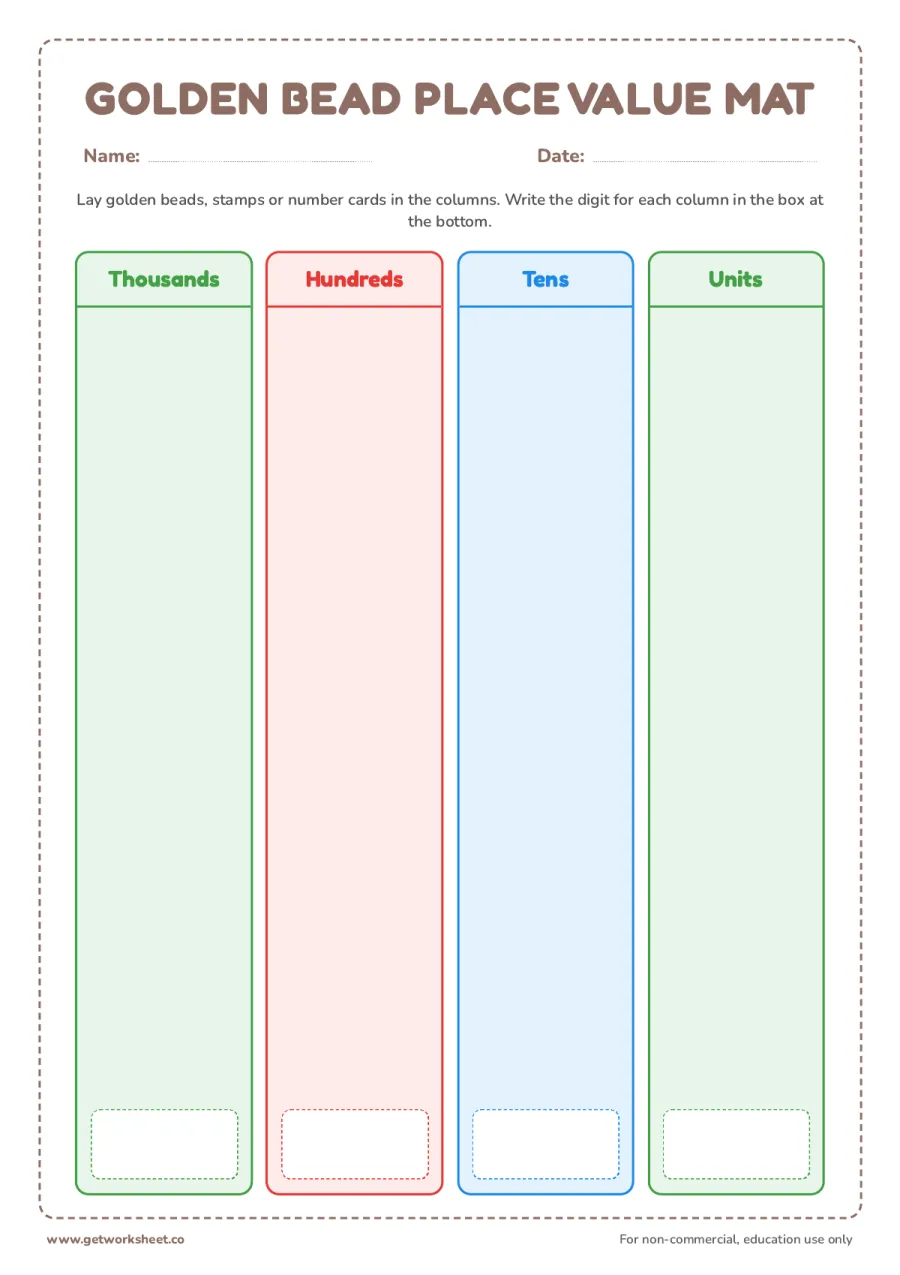
Golden bead place value mat
Printable mat with thousands, hundreds, tens and units columns in Montessori colours. Free printable PDF.
AI worksheet generator
Make a worksheet like this for your class
The 8 sheets above are fixed. The generator writes a new montessori worksheet for your grade, with the question types and count you choose, in about 20 seconds. Pick a grade to start:
What you get
- A fresh set of questions on montessori, not a copy of the sheets above
- Multiple choice, fill in the blanks, true or false, open ended
- Answer key and print-ready PDF with Pro
Free account, 1 worksheets a week. No card.
Montessori math is taught with hands-on materials: rods to hold, beads to count, cards to arrange. These worksheets are not a replacement for the materials, they are the paper step that follows them: the child has built the number with beads, and now records it, matches it or draws it. Everything here is free to print, uses the traditional Montessori colors, and is organized the way a Montessori classroom is, by material and by the age at which each one is usually introduced.
Montessori worksheets by material
- Number rods: quantities 1 to 10 as red and blue lengths (age 3½ to 4½)
- Sandpaper numerals and cards and counters: tracing 0 to 9, sequence to 10, odd and even (age 3½ to 4½)
- Bead stair: color-coded quantities 1 to 9 and addition to 10 (age 4 to 5)
- Golden beads counting: the five bead counting sheets on this page (age 4 to 5)
- Golden beads place value: units, tens, hundreds (age 4½ to 5½)
- Teen board and ten board: numbers 11 to 99 (age 4½ to 5½)
- Hundred board: sequence and patterns to 100 (age 5 to 6)
- Stamp game: place value and addition with stamps (age 5½ to 6½)
Montessori worksheets by age
- 3 year olds: mostly pre-math: sorting, matching and tracing shapes. Start with our circle tracing and oval tracing sheets, then number rods.
- 4 year olds: number rods, sandpaper numerals, cards and counters, bead stair.
- 5 year olds: golden beads, teen and ten boards, hundred board.
- 6 year olds: stamp game, and the bridge to conventional math: skip counting, ten frames and the 2 times table.
This page holds our original five golden bead counting worksheets plus three reference printables to keep alongside every set: the sequence chart shows the order the materials are introduced, the bead color chart explains the color code used throughout, and the place value mat is the layout for golden bead and stamp game work.
Free printable makers
Make your own montessori sheets
Type your own words or numbers and print in about 30 seconds. No account, no AI, answer key where it applies.
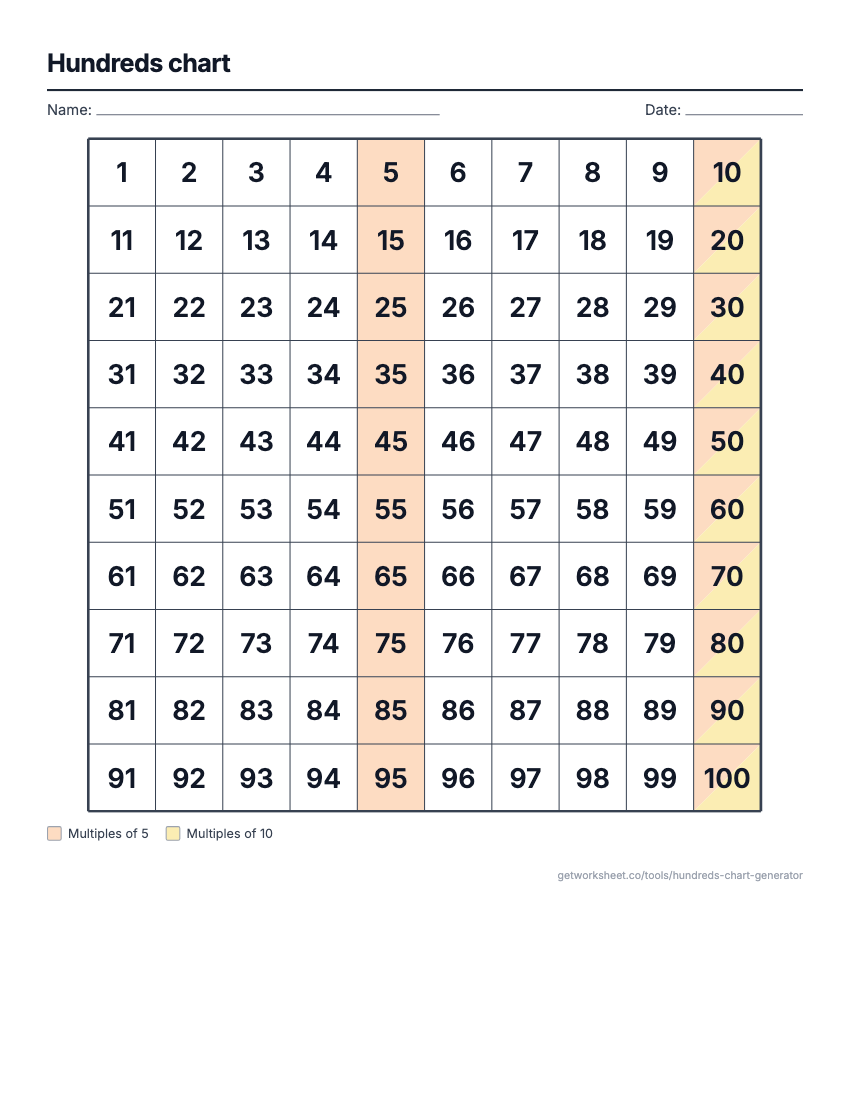 Hundreds chart generator1-100, 1-120 or 0-99, blank or missing numbers, skip-count colours, odd/even. Free to print.
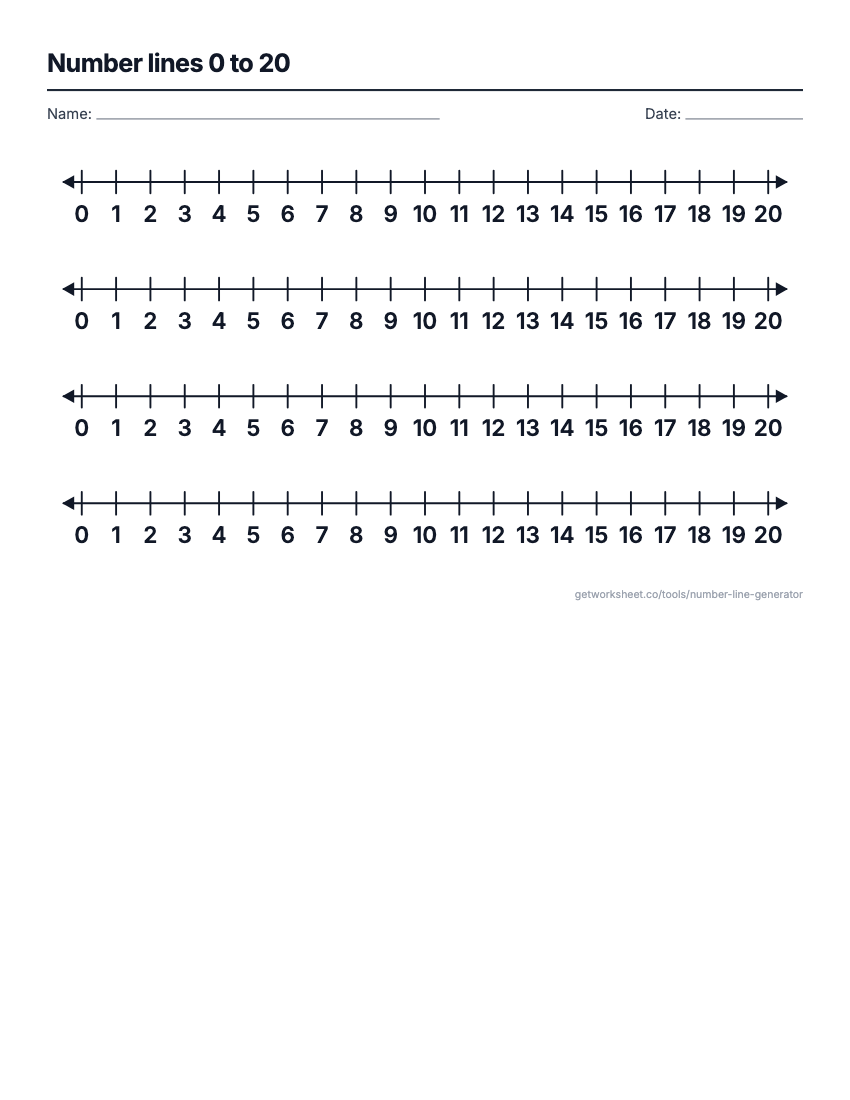 Number line generatorAny range and step, fractions and decimals, blank or missing numbers with a key. Free to print.
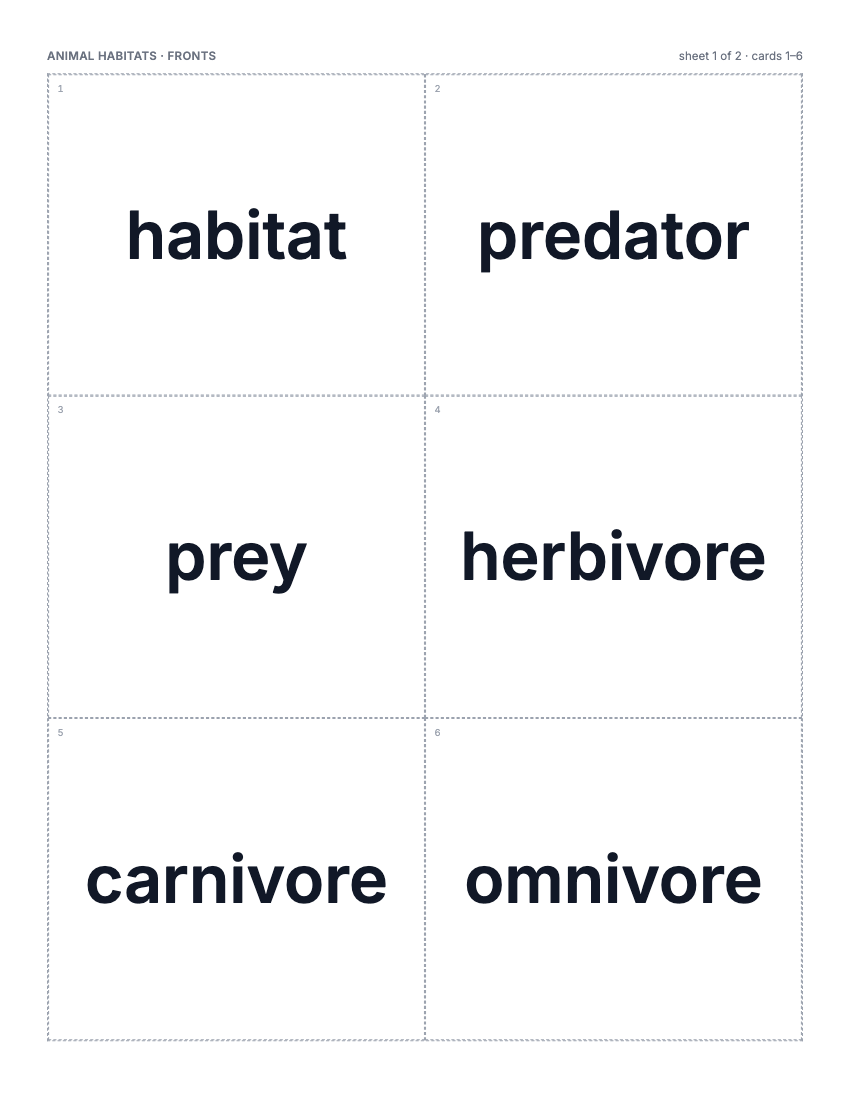 Flashcard makerVocabulary, math fact or sight word cards, 2-8 a page, two-sided or fold-over. Free to print.
AI worksheet generator
Need a different montessori worksheet?
Generate a custom montessori worksheet: pick the grade, question types and count, and print it in about 20 seconds. Free accounts get 1 generation a week.
Complete pack · $2.99
All 8 sheets above, plus 6 bonus sheets you will not find on this page
8 free sheets + 6 bonus sheets in one print-ready PDF with a contents page. Instant, no ads, no account; the link is emailed to you so it works on any device. The 8 sheets above stay free.
- BonusBead stair: count the beads, set 2
- BonusBead stair: match bar and number, set 2
- BonusBead stair addition to 10, set 2
- BonusGolden beads: tens and units, set 2
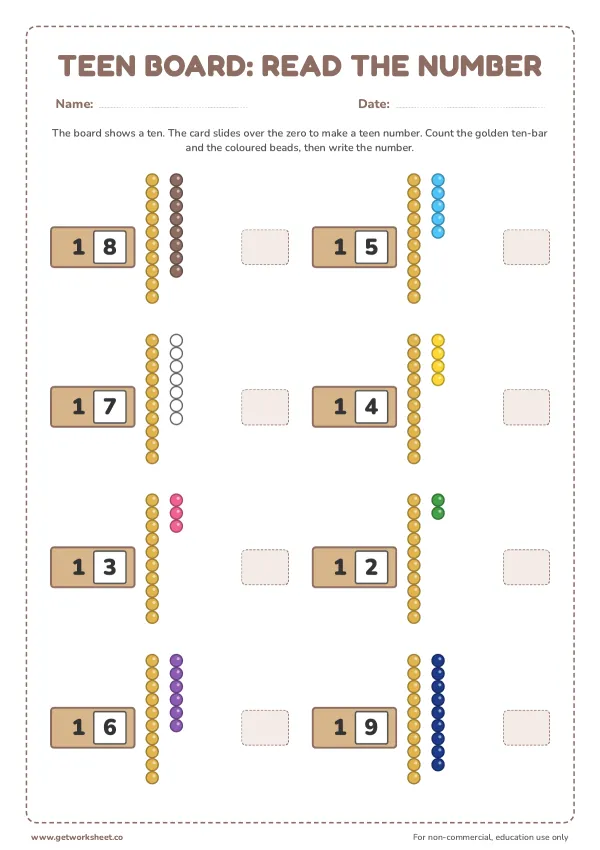
- BonusTeen board: read the number, set 2
- BonusStamp game: count the stamps, set 2
One-time payment of $2.99. Card, Apple Pay or Google Pay. For home and classroom use.
- Bonus
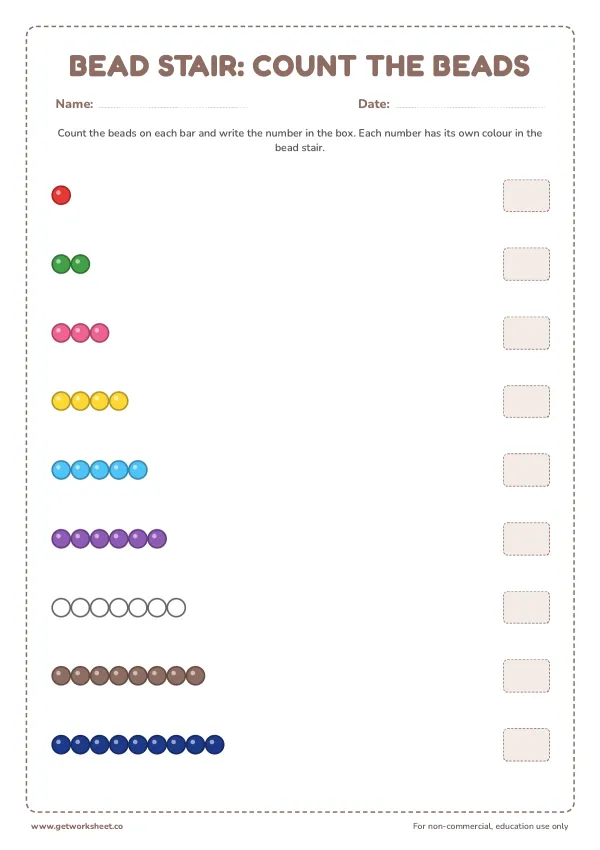 Bead stair: count the beads, set 2
 - Bonus
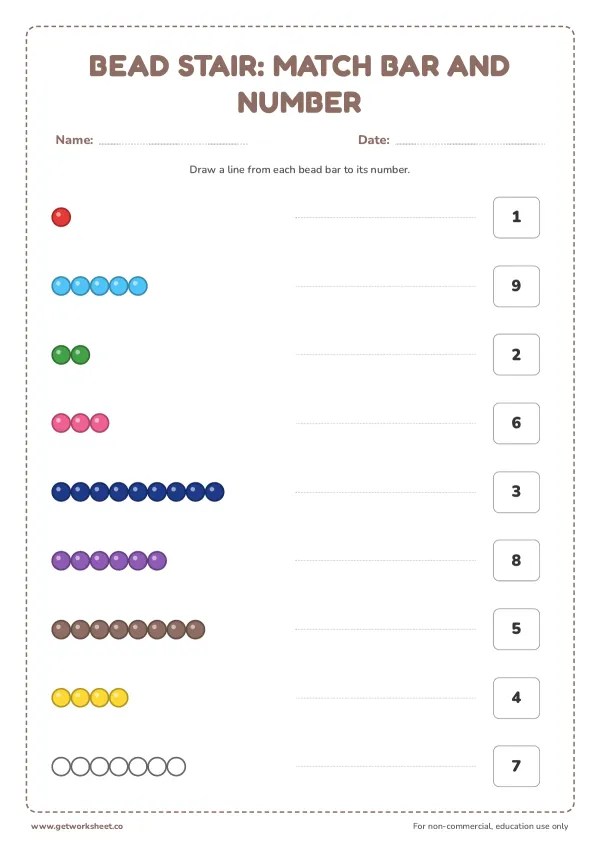 Bead stair: match bar and number, set 2
 - Bonus
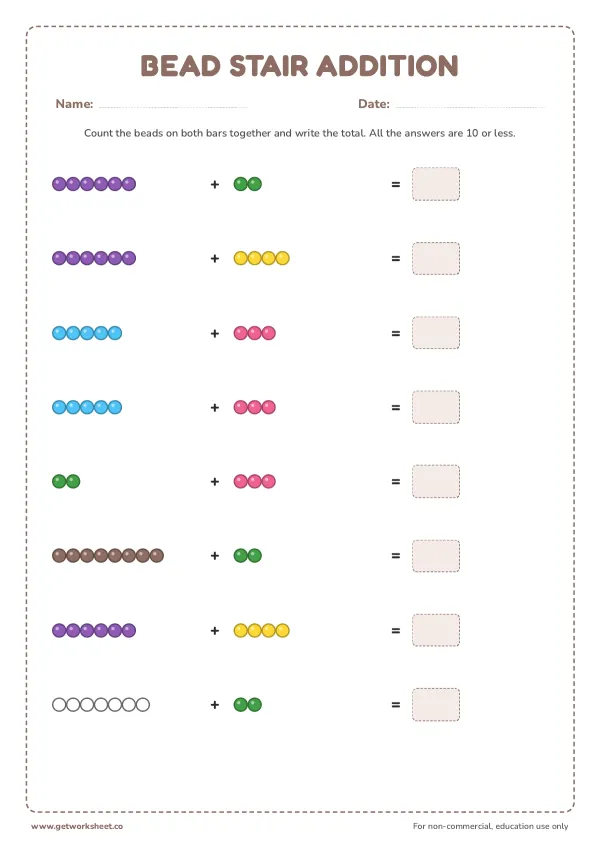 Bead stair addition to 10, set 2
 - Bonus
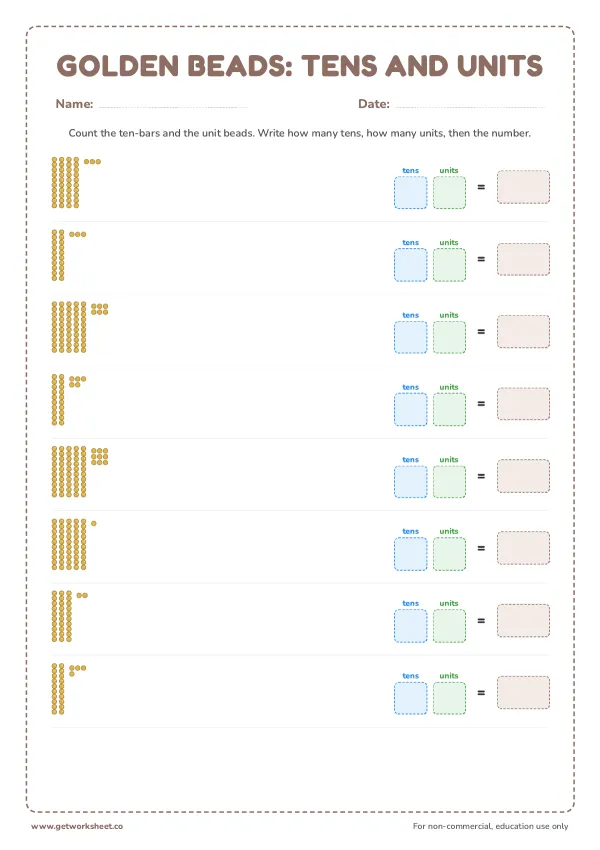 Golden beads: tens and units, set 2
 - Bonus
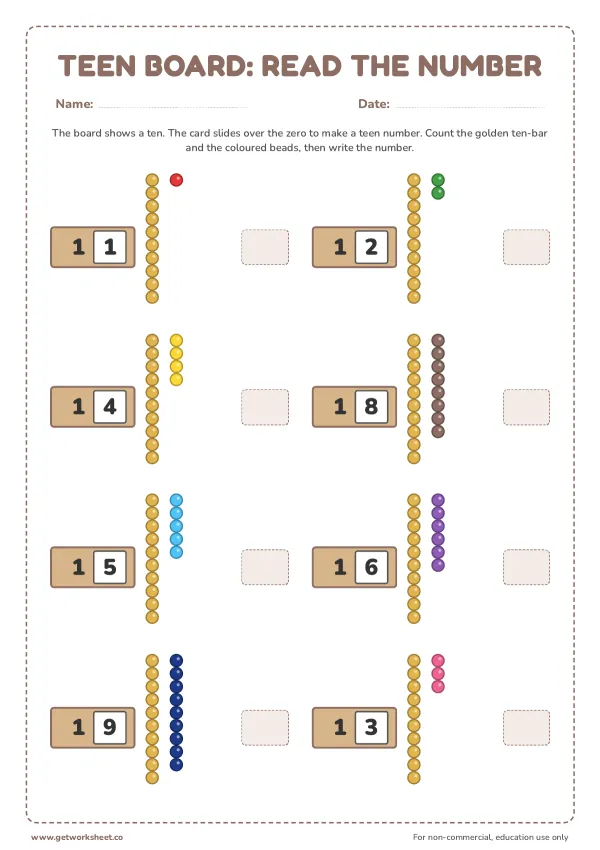 Teen board: read the number, set 2
 - Bonus
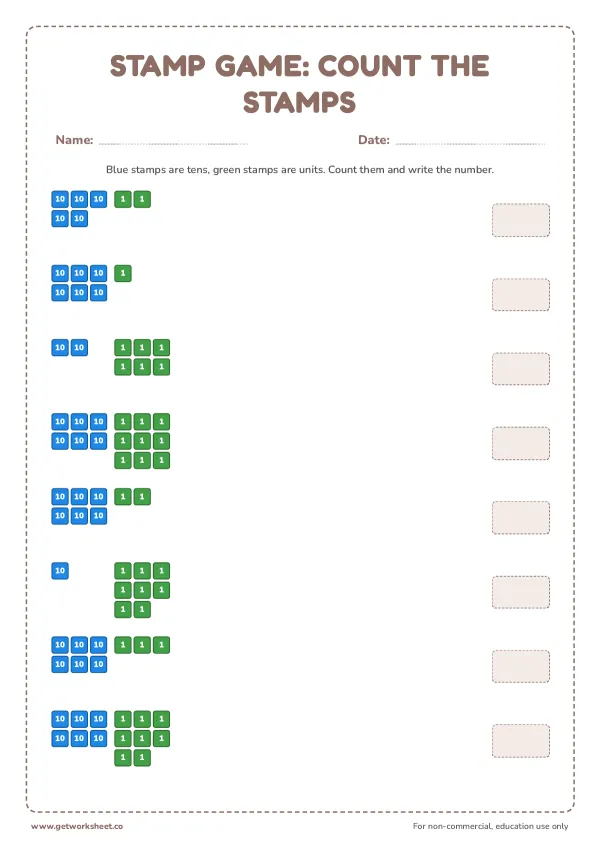 Stamp game: count the stamps, set 2
Teaching tips and common mistakes
How to Use Montessori Worksheets
In a Montessori classroom, paper comes after the material, never instead of it. The same order works at home.
- Material first, paper second. If you have number rods, beads or a hundred board, let your child work with them before the worksheet. If you do not, the pictures on the sheets stand in for the material, and everyday objects (buttons, dried beans, coins) make good counters.
- Follow the child, not the age. The ages on the sequence chart are typical, not rules. Move on when the current material is easy, and go back when something is a struggle.
- Keep the colors. The bead stair colors (red 1, green 2, pink 3, yellow 4, light blue 5, purple 6, white 7, brown 8, dark blue 9, golden 10) and the hierarchy colors (green units, blue tens, red hundreds) are the same on every sheet, so children recognize quantities at a glance.
- Short sessions. One sheet is one session. Montessori work periods are long, but a single piece of written work should stay short and calm.
- Let the child check. Control charts (like the hundred board control chart) are there so children can find and fix their own mistakes without an adult marking the page.
Common Mistakes to Watch For
- Starting with worksheets: Written work without the concrete experience behind it is the opposite of the Montessori approach. If a sheet is frustrating, go back to objects.
- Skipping the bead stair colors: Coloring a bar the “wrong” color is not a math error, but keeping the colors consistent is what makes later materials (teen boards, bead chains) readable.
- Rushing to symbols: Quantity (rods, beads) comes before symbols (numerals), and both come before combining them (cards and counters). Keep that order.
- Correcting instead of showing: When a child writes 41 for fourteen, lay out one ten-bar and four beads rather than crossing out the answer.
Frequently Asked Questions
Are worksheets really Montessori?
Montessori classrooms use paper for recording work once a child has worked with the concrete material. These sheets are designed for that step: they picture the material and ask the child to count, match or draw it. They are not meant to replace hands-on work.
What age are Montessori worksheets for?
The math materials pictured here span roughly ages 3½ to 6½. Number rods and sandpaper numerals come first, golden beads and teen boards around 5, and the stamp game around 6. The sequence chart on this page lists the usual order.
Do I need the real Montessori materials?
They help, but they are not required. The worksheets show the materials in their standard colors, and household objects can stand in as counters. Many homeschooling families use the worksheets alongside a small set of golden beads and a hundred board.
Are these worksheets free?
Yes. Every PDF on this page and the linked pages is free to download and print for home and classroom use.
Which set should we start with?
For a child who is new to numbers, start with number rods, then sandpaper numerals. For a child who already counts to 10, start with the bead stair, then golden beads. For a child who counts to 20 or beyond, go to the teen board and hundred board.
Beyond Montessori
Once a child is comfortable with the golden beads and the hundred board, the standard worksheets on this site follow naturally: the hundreds chart printables, number tracing 1 to 20, odd and even numbers and counting money.
Free library
Related collections
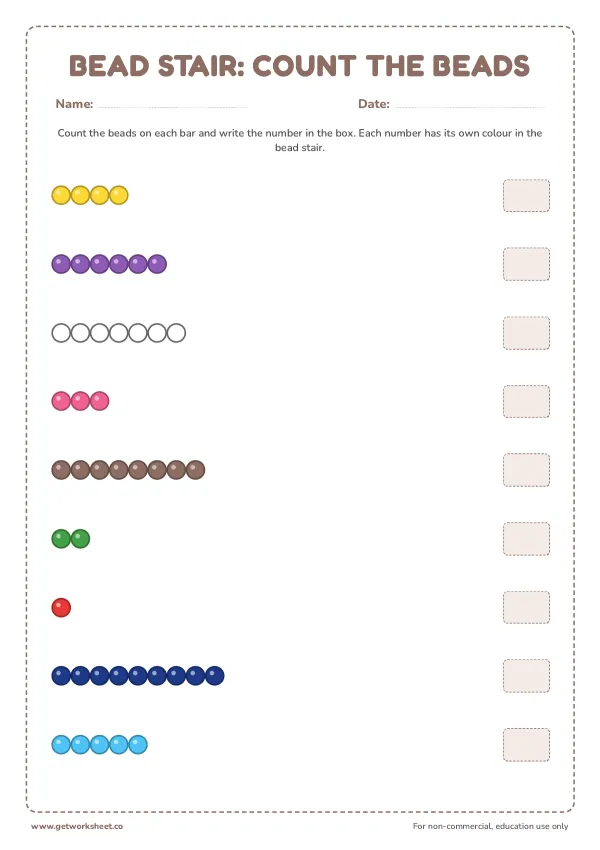
Free Montessori bead stair worksheets
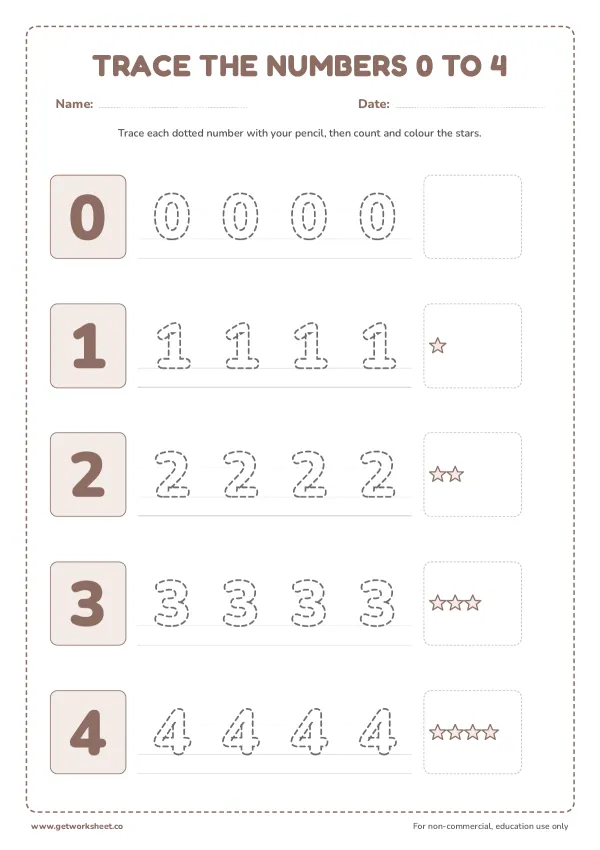
Free Montessori sandpaper numerals and cards and counters worksheets
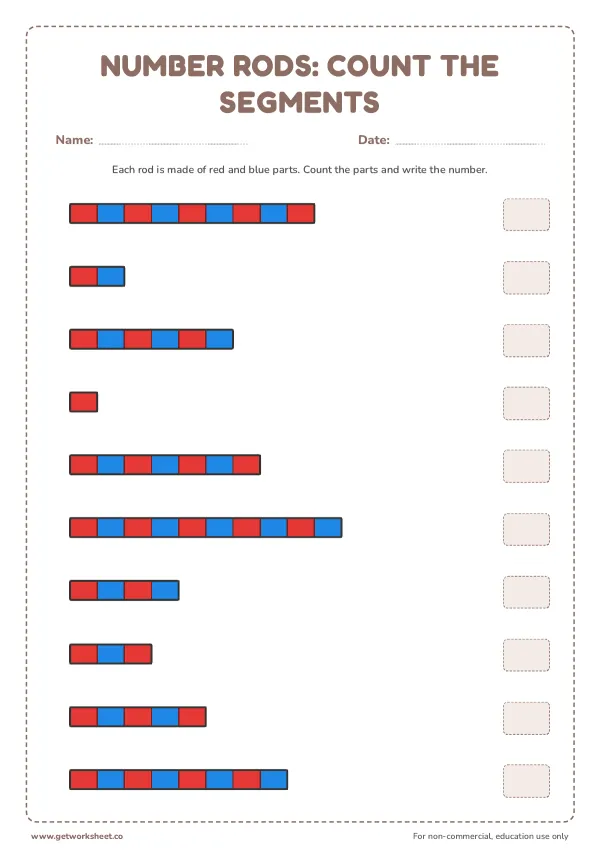
Free Montessori number rods worksheets
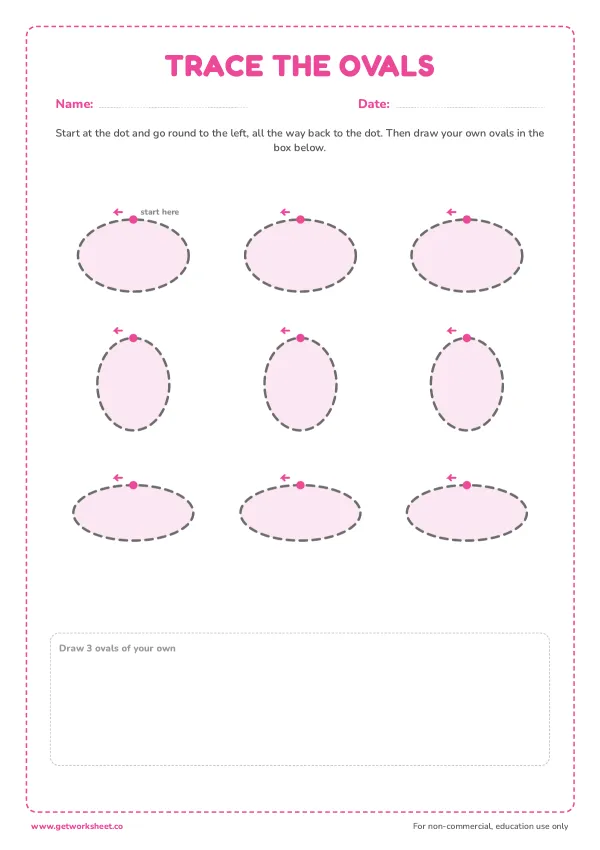
Free oval tracing worksheets
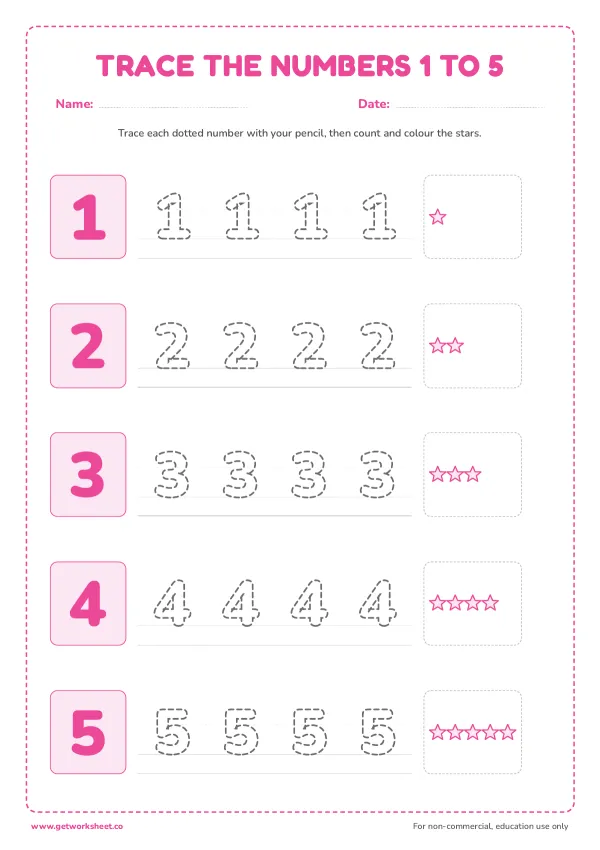
Free number tracing worksheets (1-20)
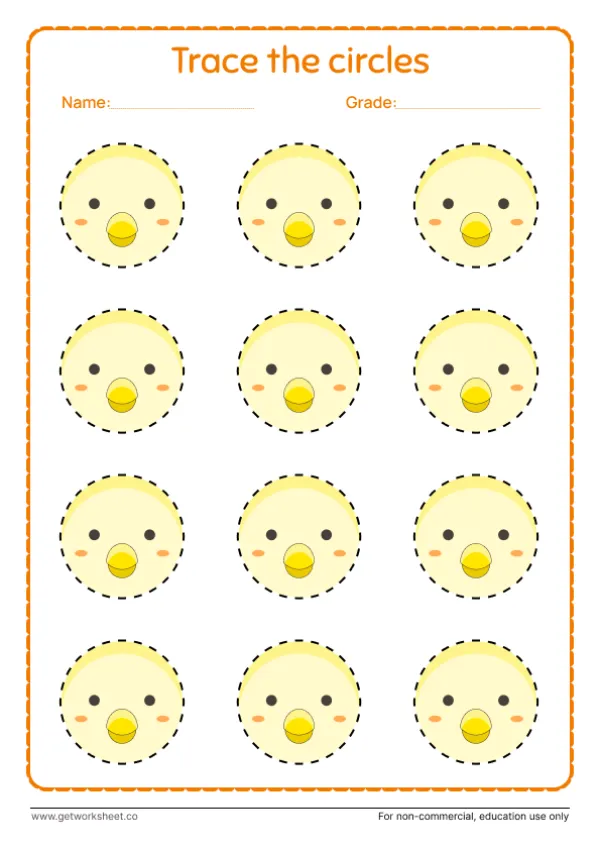
Free circle tracing worksheets
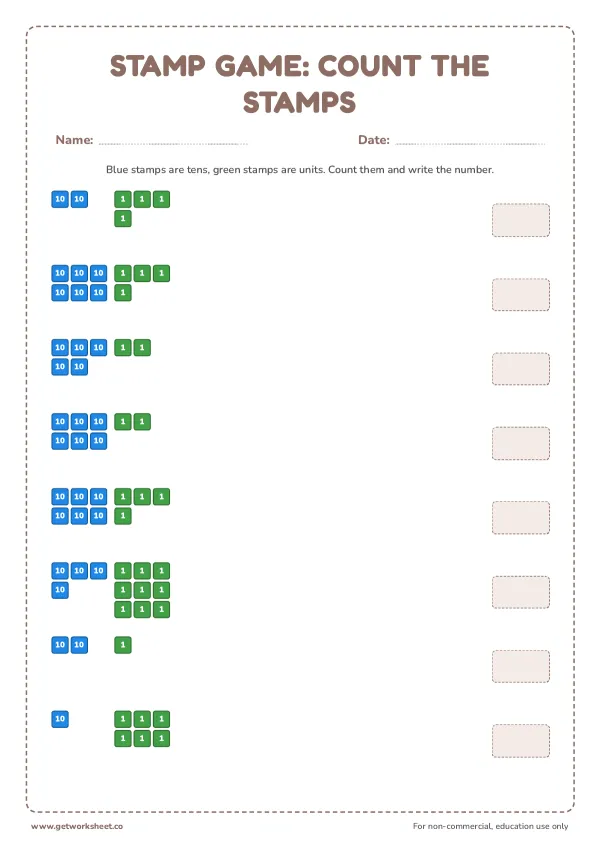
Free Montessori stamp game worksheets
Free Montessori teen board and ten board worksheets
More worksheets
- Free Montessori place value worksheets (golden beads)
- Free Montessori hundred board worksheets
- Free Montessori spindle box worksheets
- Free counting money worksheets (US coins)
- Free Montessori math worksheets: one from every material
- Free 2 times table worksheets
- Free hundreds chart worksheets
- Free ten frame worksheets
- Free skip counting worksheets
- Free penguin worksheets
- Free snowman worksheets
- Free winter worksheets for preschool and kindergarten