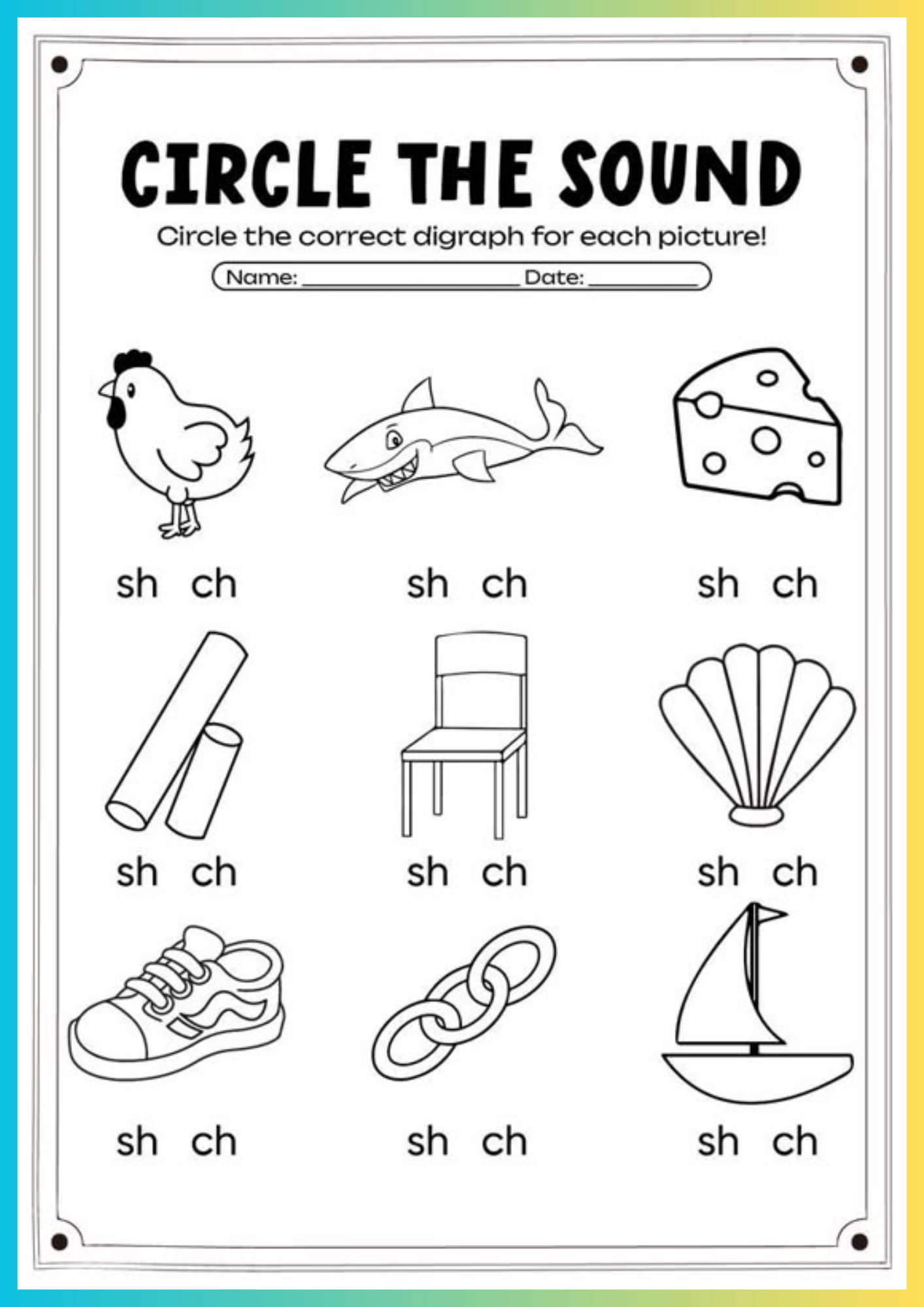
26 free letter worksheets
Free letter worksheets for kids. Practice recognizing, tracing, and writing uppercase and lowercase letters A-Z — printable PDFs for preschool to grade 1.
Learning letters is the first step toward reading and writing. These worksheets help young students recognize, trace, and independently write all 26 letters of the alphabet — both uppercase and lowercase. Each letter gets dedicated practice with proper formation guides, so students build the muscle memory and visual recognition that form the foundation of literacy.
What Students Will Practice
- Recognizing uppercase (A-Z) and lowercase (a-z) letters by sight
- Matching uppercase letters to their lowercase pairs (e.g., B goes with b, not d)
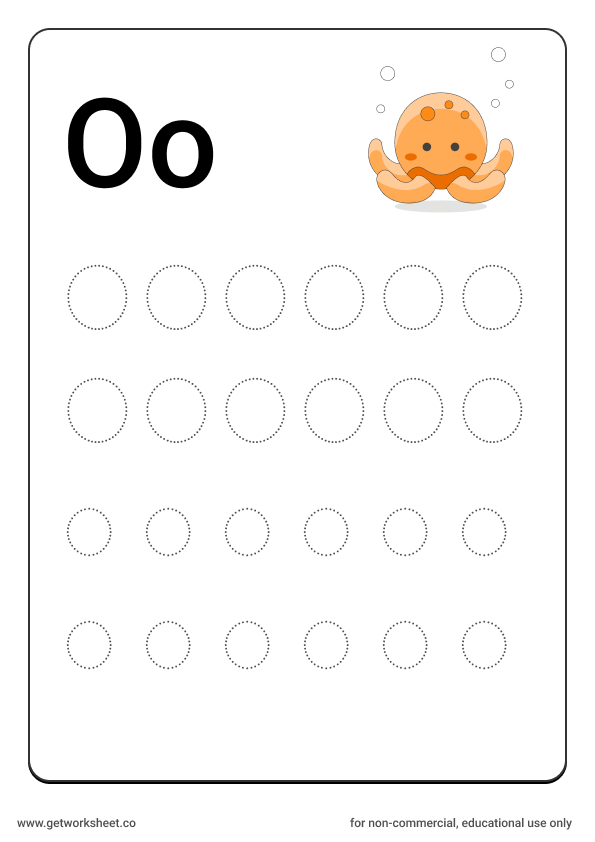
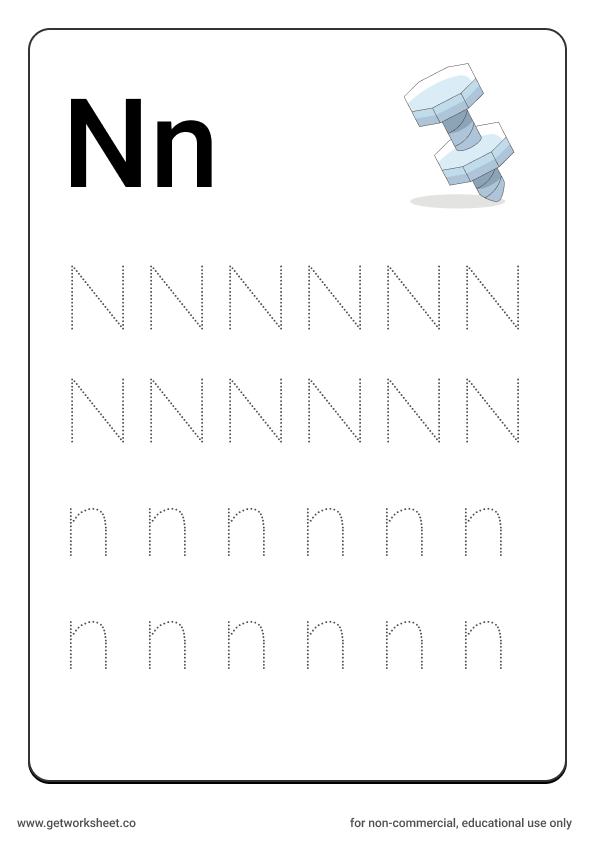
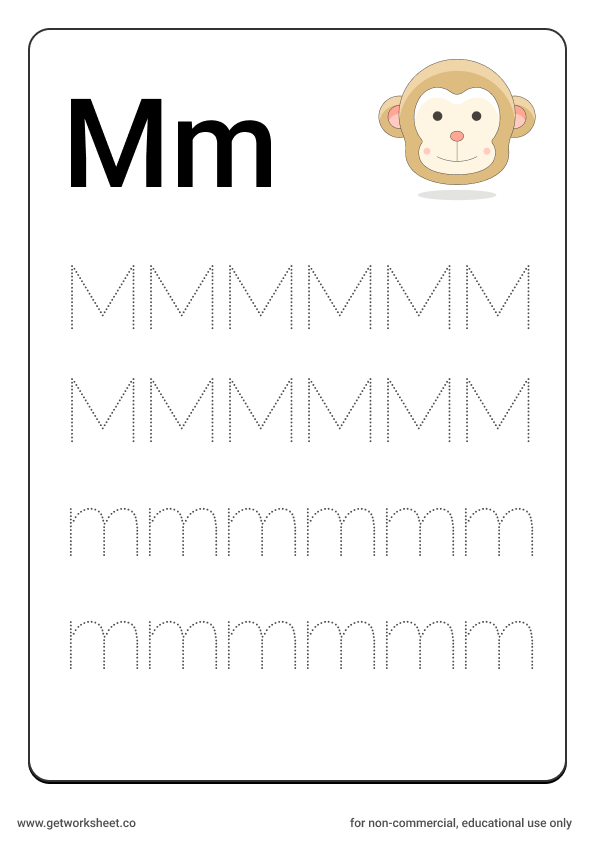
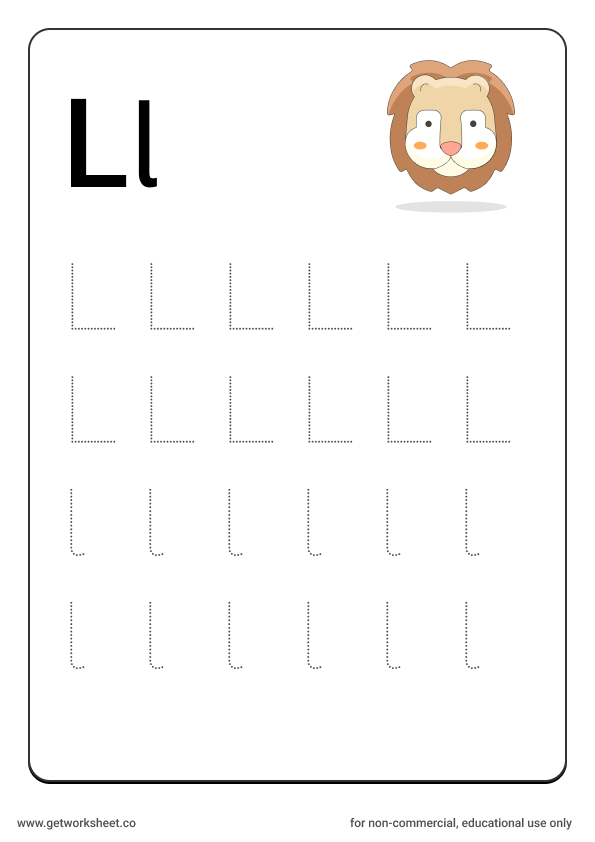
- Tracing letters following the correct stroke order and direction (starting points and stroke sequences matter for fluent writing later)
- Writing letters independently after tracing practice
- Identifying the beginning sound of words and matching them to the correct letter (e.g., "ball" starts with B)
- Distinguishing between commonly confused letters: b/d, p/q, m/n, u/v
Letter recognition and formation are foundational literacy standards for preschool through 1st grade. Students who can quickly and accurately identify and write all 26 letters are ready for phonics instruction and beginning reading.
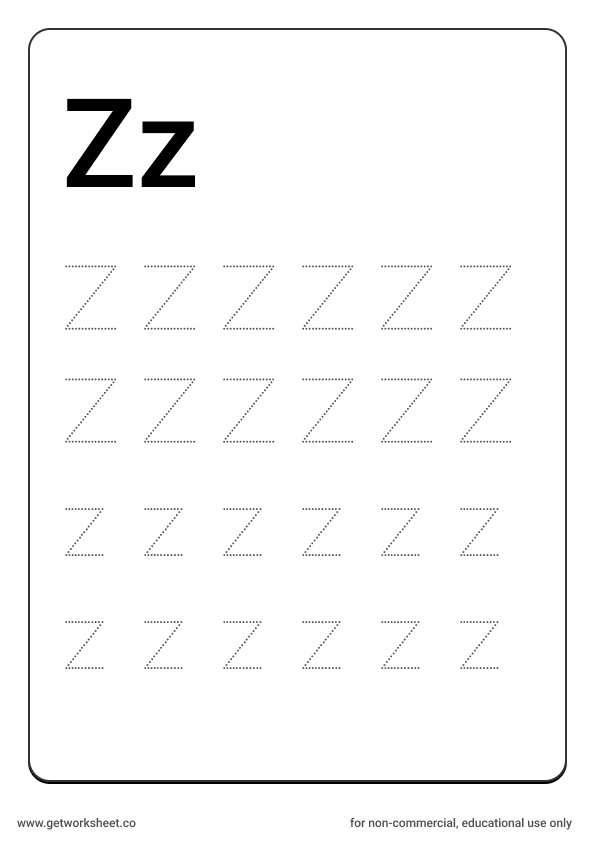
Letter worksheet 26
Letter worksheet 26
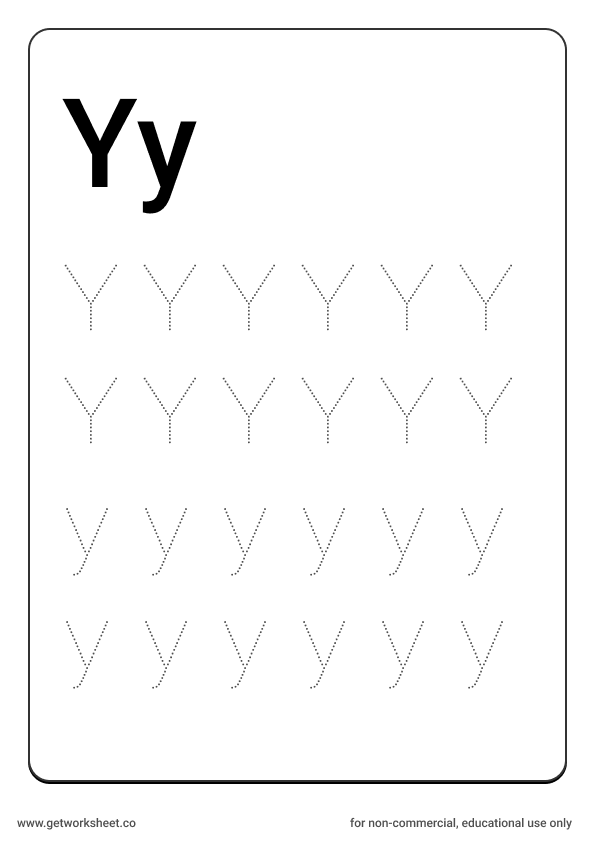
Letter worksheet 25
Letter worksheet 25
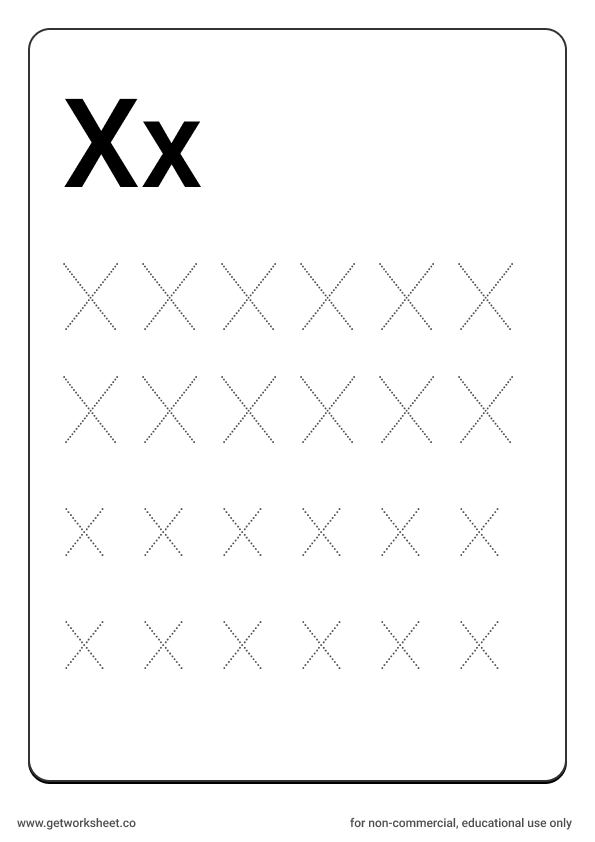
Letter worksheet 24
Letter worksheet 24
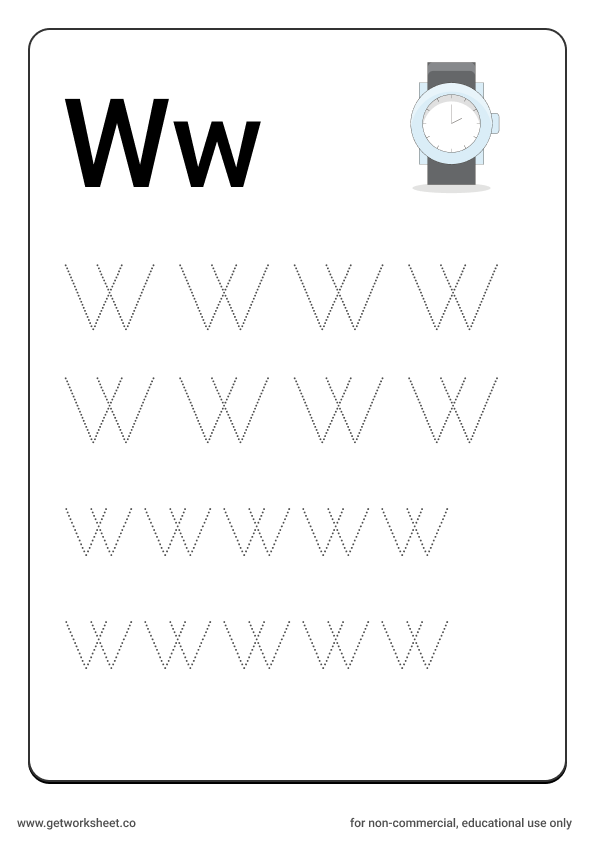
Letter worksheet 23
Letter worksheet 23
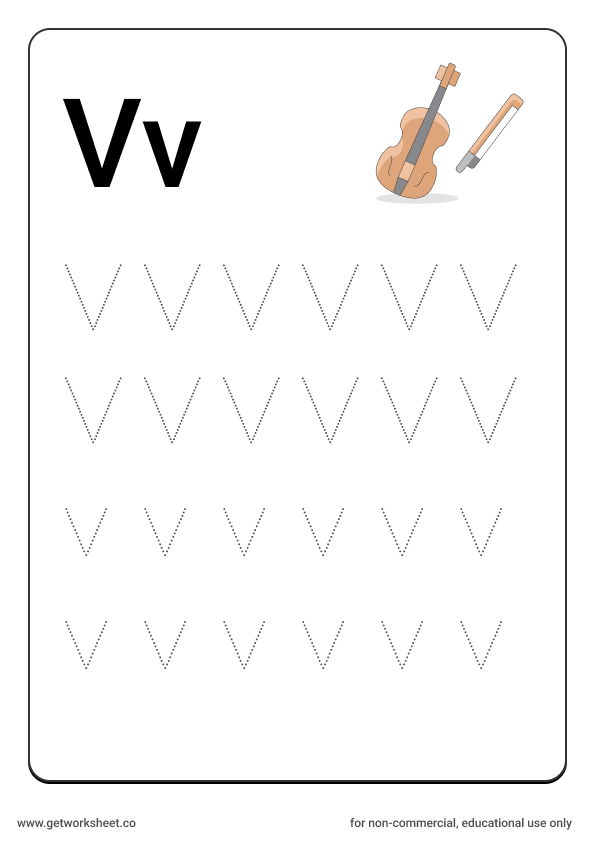
Letter worksheet 22
Letter worksheet 22
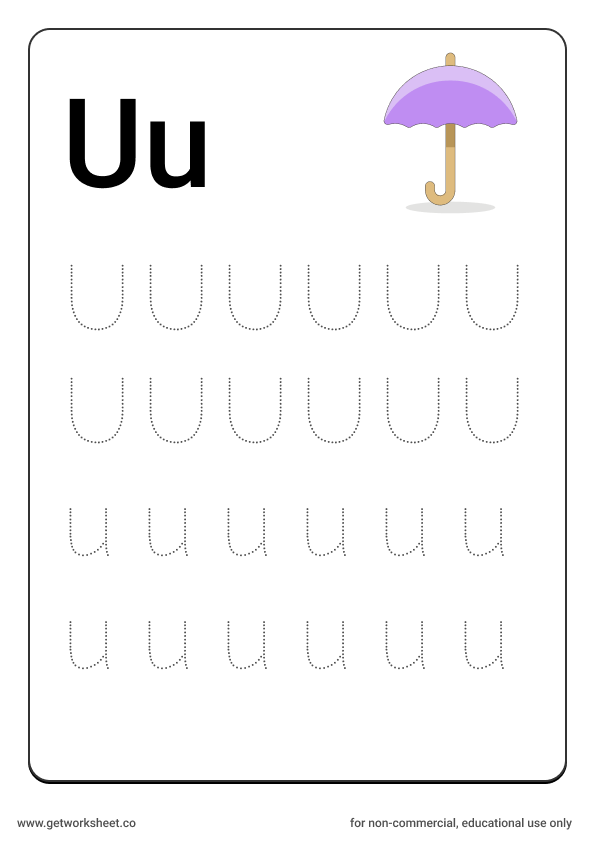
Letter worksheet 21
Letter worksheet 21
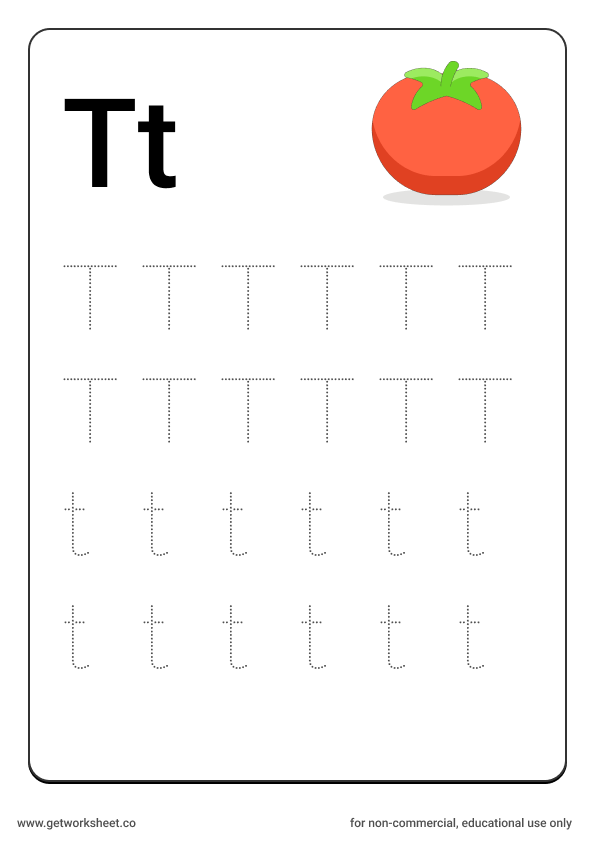
Letter worksheet 20
Letter worksheet 20
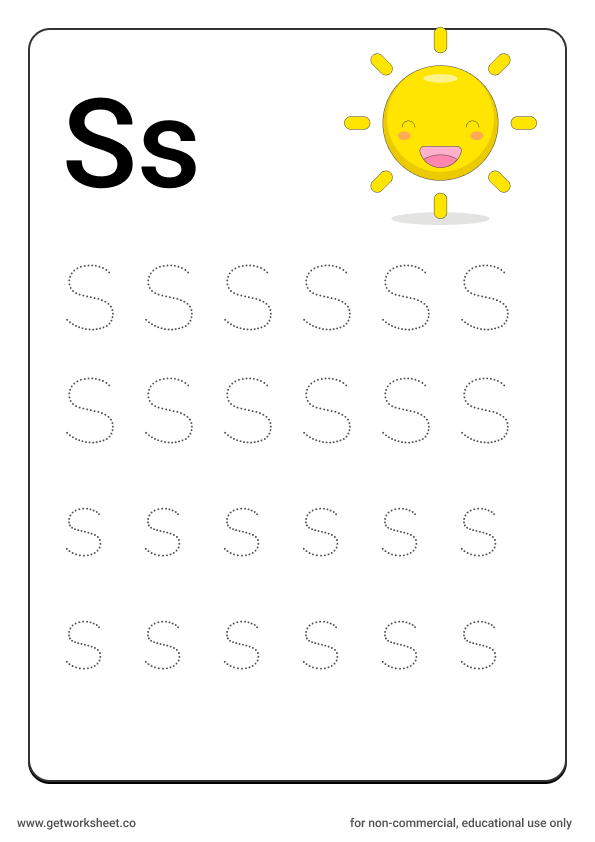
Letter worksheet 19
Letter worksheet 19
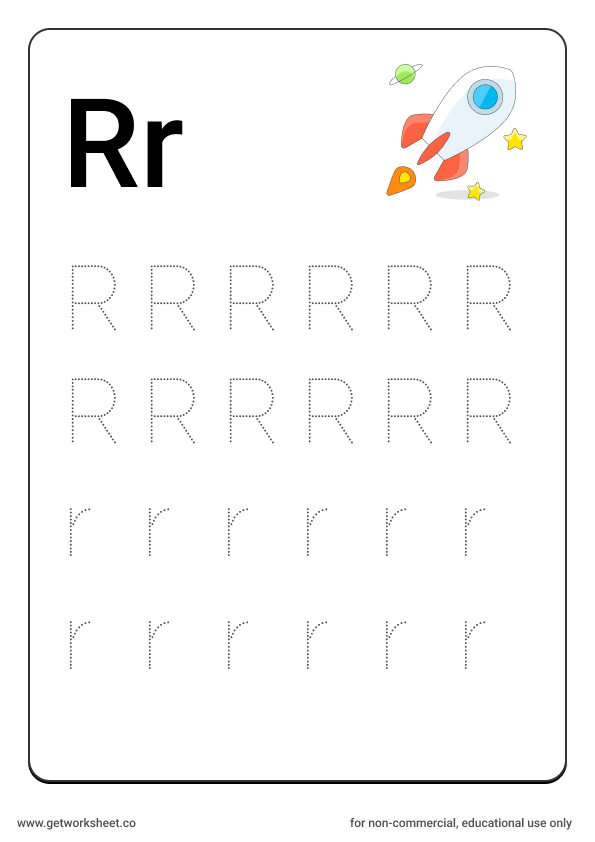
Letter worksheet 18
Letter worksheet 18
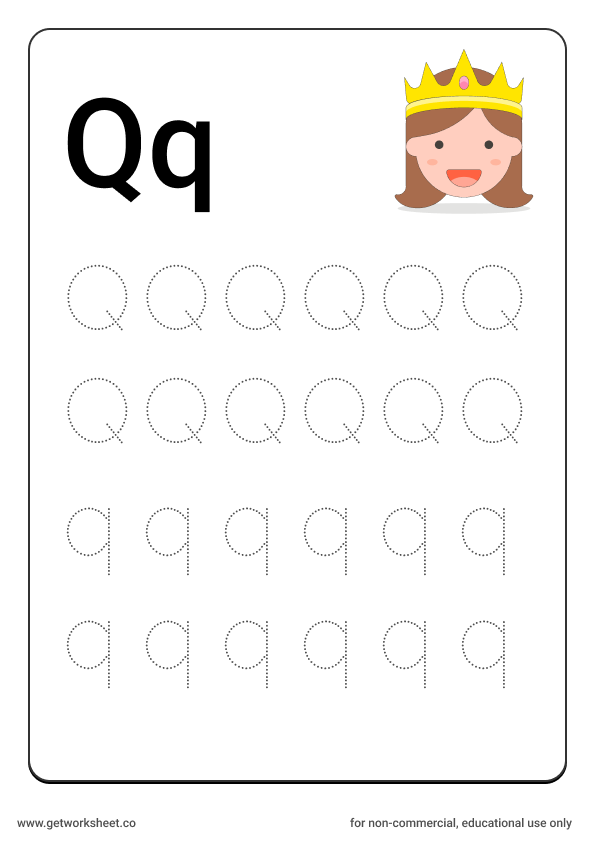
Letter worksheet 17
Letter worksheet 17
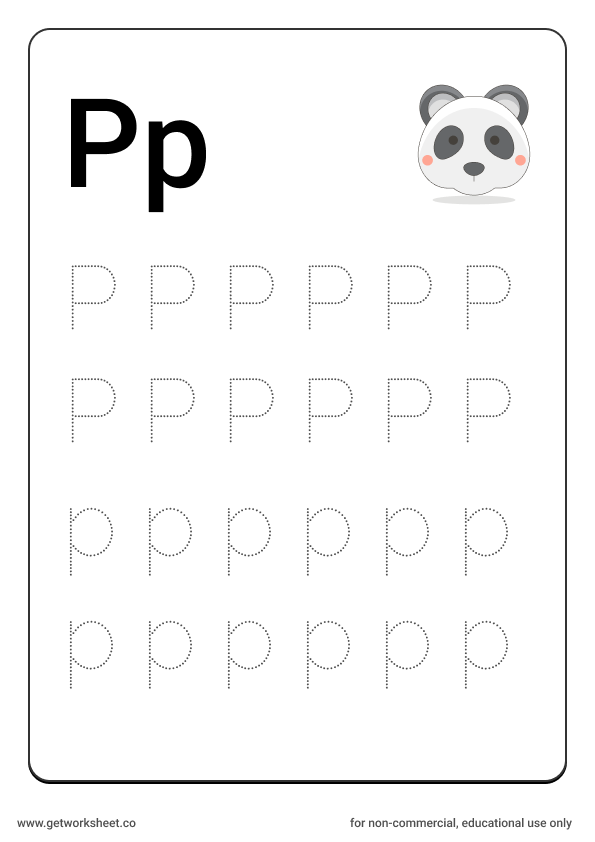
Letter worksheet 16
Letter worksheet 16
Letter worksheet 15
Letter worksheet 15
Letter worksheet 14
Letter worksheet 14
Letter worksheet 13
Letter worksheet 13
Letter worksheet 12
Letter worksheet 12
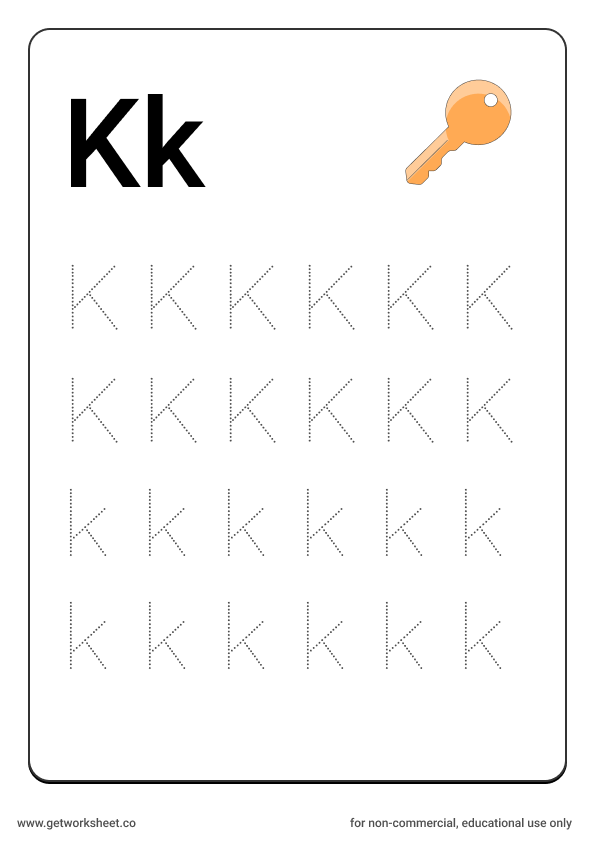
Letter worksheet 11
Letter worksheet 11
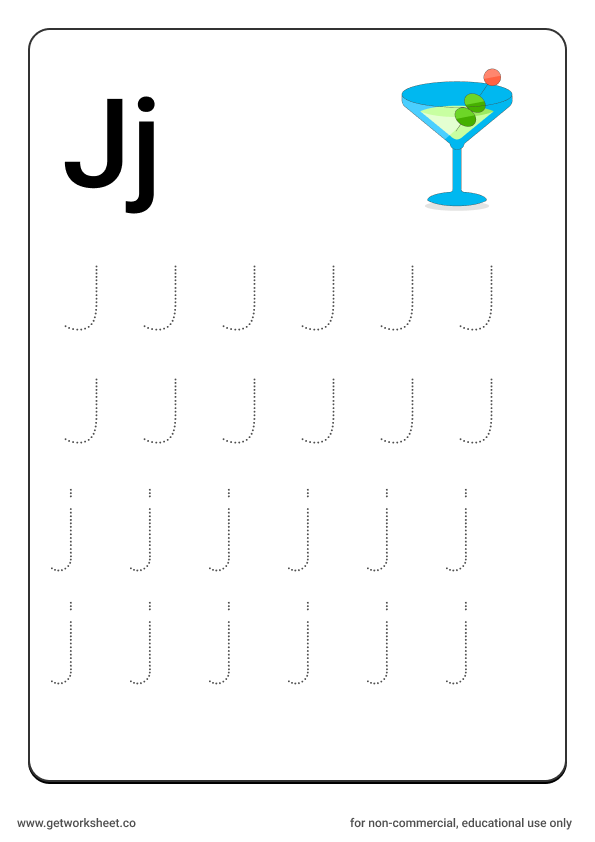
Letter worksheet 10
Letter worksheet 10
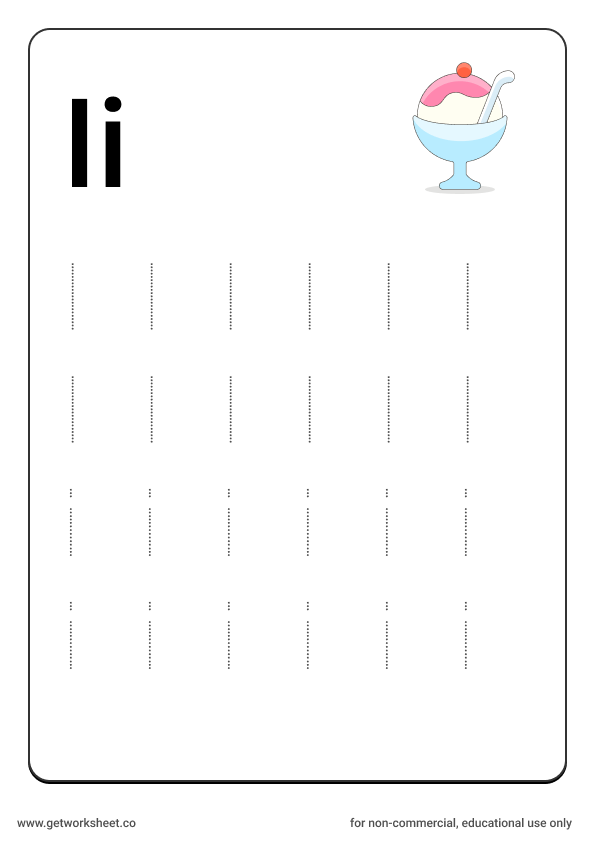
Letter worksheet 9
Letter worksheet 9
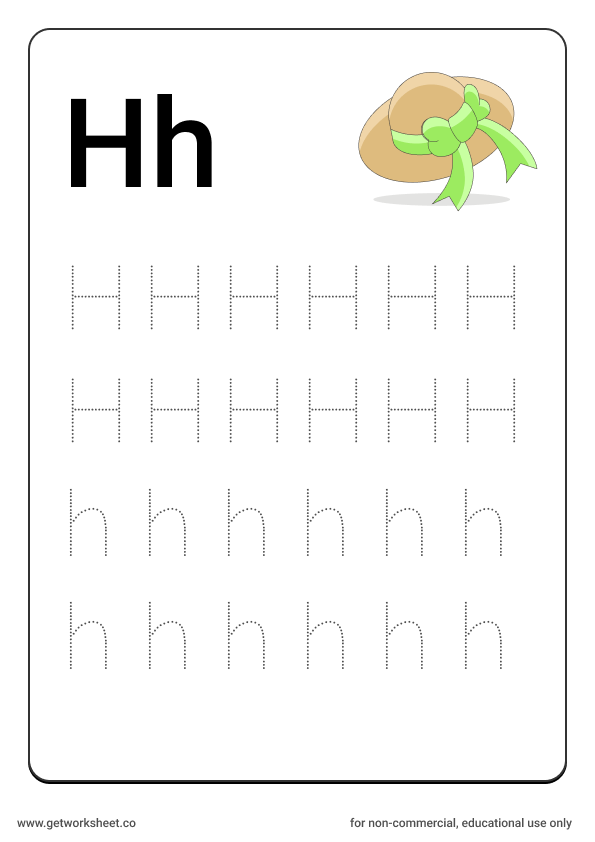
Letter worksheet 8
Letter worksheet 8
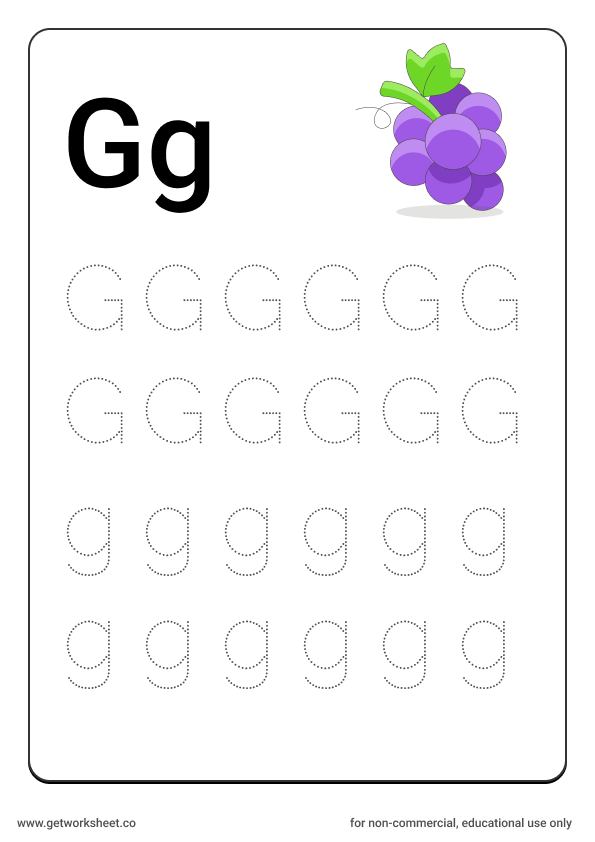
Letter worksheet 7
Letter worksheet 7
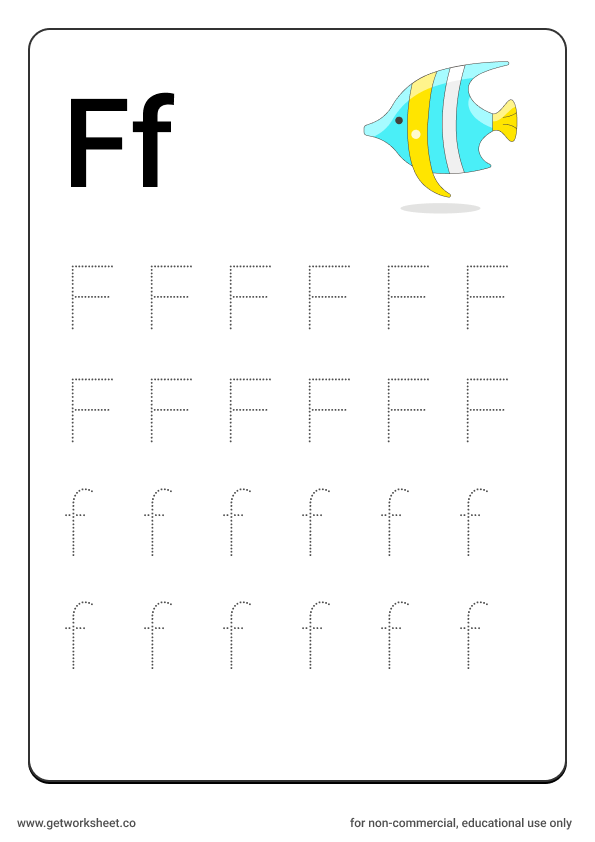
Letter worksheet 6
Letter worksheet 6
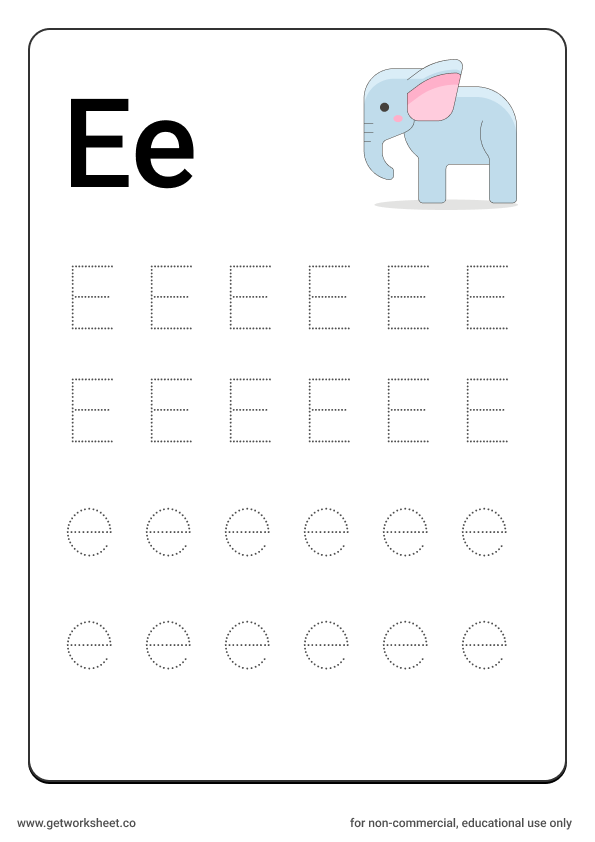
Letter worksheet 5
Letter worksheet 5
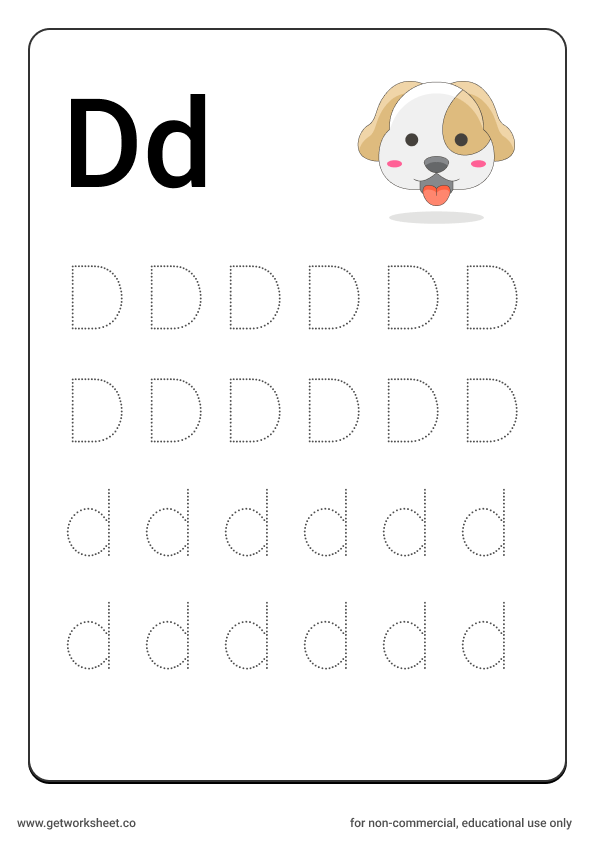
Letter worksheet 4
Letter worksheet 4
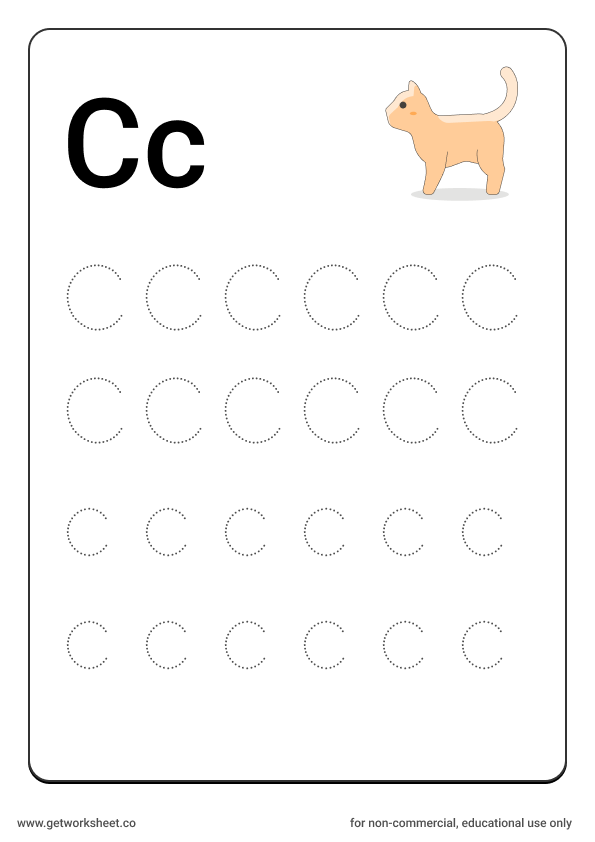
Letter worksheet 3
Letter worksheet 3
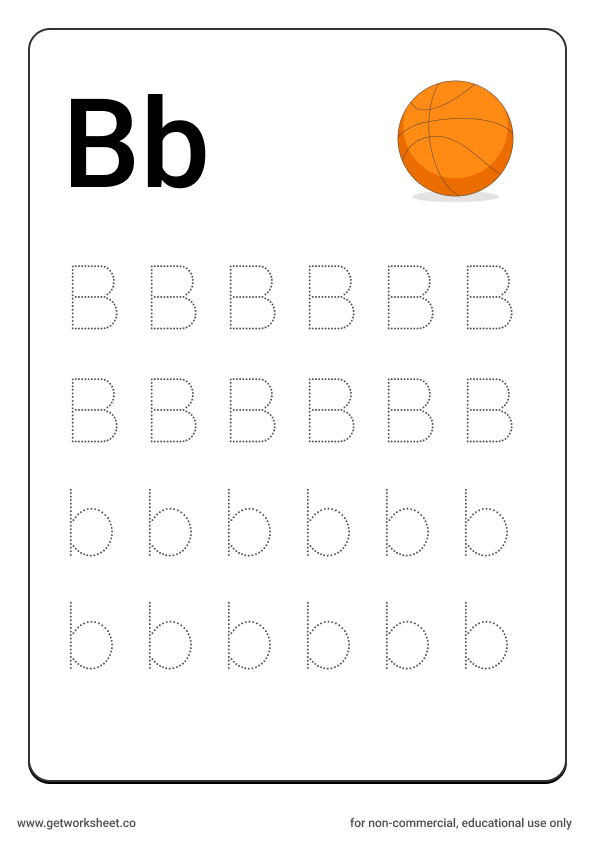
Letter worksheet 2
Letter worksheet 2
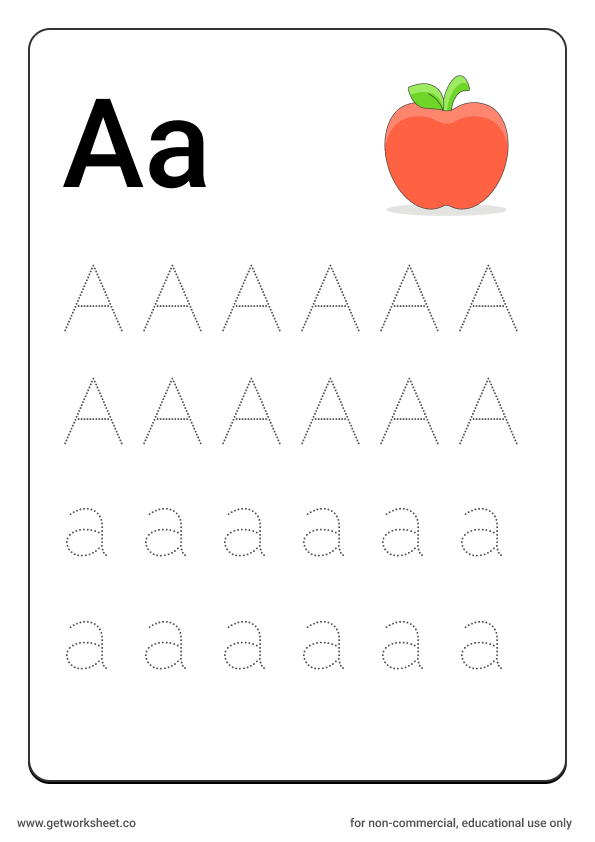
Letter worksheet 1
Letter worksheet 1
How to Use These Worksheets
Letter learning should be multi-sensory — combine worksheets with hands-on activities for the best results.
- Don't teach all 26 letters in alphabetical order. Start with letters in your child's name — they're already meaningful and motivating. Then add high-frequency letters (s, t, a, m, r) that will appear in early reading. Save less common letters (q, x, z) for later.
- For tracing practice, watch your child's stroke direction. The letter "a" should start at the top of the curve, not the bottom. The letter "t" should be a downstroke then a cross, not drawn as a plus sign. Correct formation now prevents bad habits that are hard to fix later.
- Pair each worksheet with a hands-on activity: form the letter with play-dough, trace it in sand or salt on a tray, or use finger paint. Multi-sensory practice strengthens memory because it engages visual, tactile, and motor pathways simultaneously.
- Focus on lowercase letters more than uppercase. Children see and read lowercase letters far more often in books and everyday text. Many programs start with uppercase because they're easier to write, but make sure lowercase gets equal or more practice time.
Common Mistakes to Watch For
- Reversing b and d: This is the most common letter confusion and is completely normal through age 7. Use a memory trick: make fists with both hands, thumbs up — the left hand makes a "b" shape, the right makes a "d" shape. "Bed" helps too: the word "bed" looks like a bed when you see b-e-d.
- Starting letters from the bottom: Students who draw letters from the bottom up will struggle with writing speed and fluency later. Letters should generally start from the top. Watch for this during tracing activities and gently redirect.
- Confusing similar-looking letters: Besides b/d, watch for p/q, m/n, u/v, and lowercase l/uppercase I. These pairs look nearly identical to young learners. Extra practice comparing them side by side helps build distinction.
- Knowing letter names but not letter sounds: A child might correctly identify "B" but not know it makes the /b/ sound. Letter recognition worksheets should be paired with phonics activities that connect letters to their sounds — that's where reading actually begins.
Frequently Asked Questions
At what age should my child know all their letters?
Most children can recognize all 26 uppercase letters by age 4-5 and all lowercase letters by age 5-6. Writing all letters legibly typically happens by the end of kindergarten or beginning of 1st grade. Every child develops at their own pace — consistent, pressure-free practice matters more than hitting a specific timeline.
Should I teach uppercase or lowercase first?
There's no single right answer. Many preschool programs start with uppercase because the letter shapes are simpler (all straight lines and curves, no ascenders or descenders). However, lowercase letters are what children will read and write most. A balanced approach — introducing both forms early — works well.
My child knows letters but can't write them neatly. Is that a problem?
At ages 3-5, messy letter formation is normal — fine motor skills are still developing. Focus on correct stroke direction and starting points rather than neatness. Neatness improves naturally as hand strength and coordination develop through ages 5-7. If writing remains very difficult past age 7, mention it to your pediatrician.
How many letters should we practice per week?
For preschoolers, one to two new letters per week with review of previously learned letters is a comfortable pace. For kindergartners, two to three per week works well. Quality practice (correct formation, multi-sensory activities, sound connections) matters far more than covering letters quickly.
Once all 26 letters are recognized and written with reasonable accuracy, students are ready for phonics instruction — connecting letters to sounds, blending sounds into words, and beginning to read simple texts independently.