English · Grades 2–5
Free subject-verb agreement worksheets
Five printable subject-verb agreement worksheets for grades 2 to 5: one or more than one, is/are/was/were, tricky subjects (compound subjects, everyone/each, phrases in between) and more. Answer keys on page 2 of each PDF.
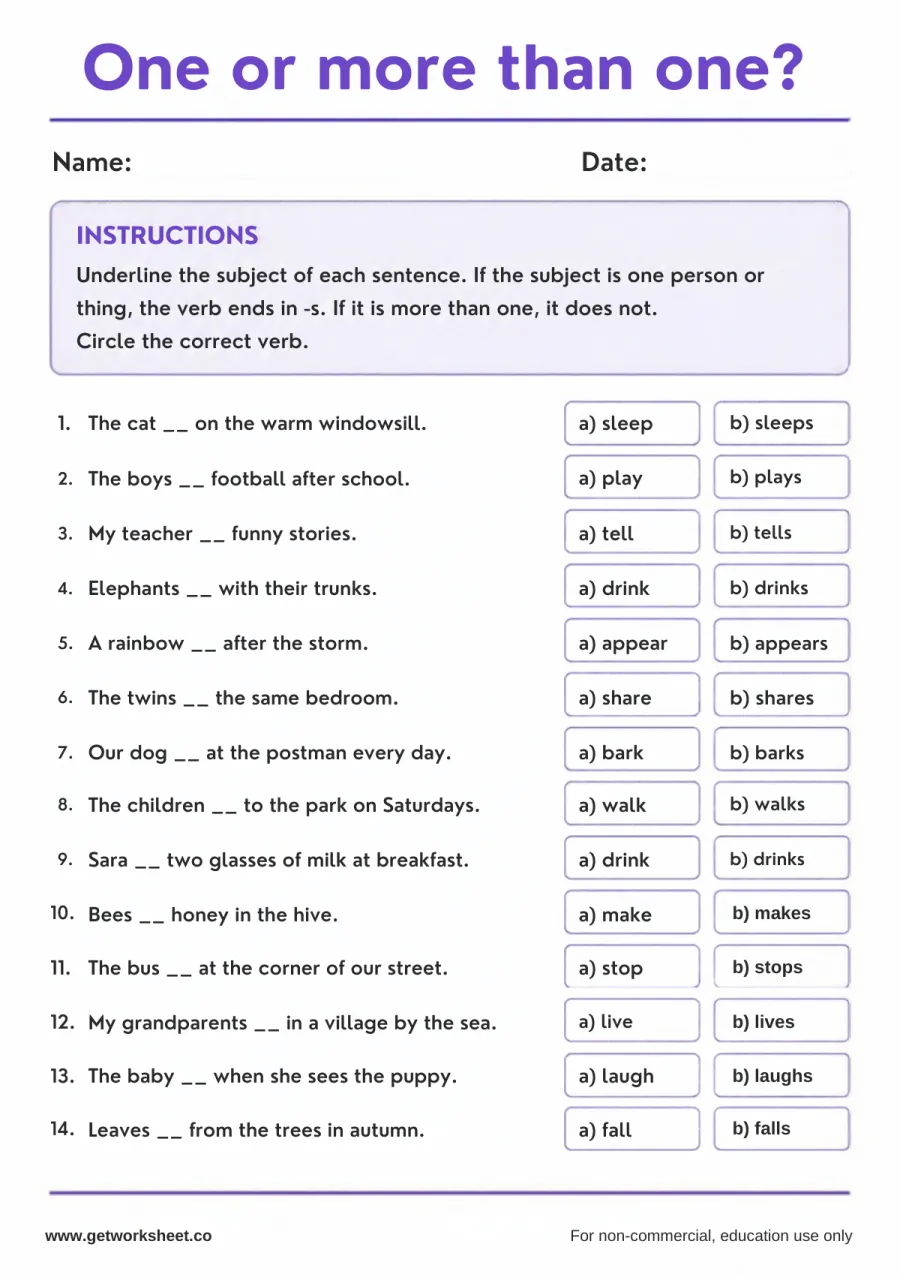
One or more than one? Circle the verb (grade 2-3)
Fourteen present-tense sentences with a choice of two verbs; students find the subject, decide whether it is one or more than one, and circle the matching verb. Answer key on page 2.
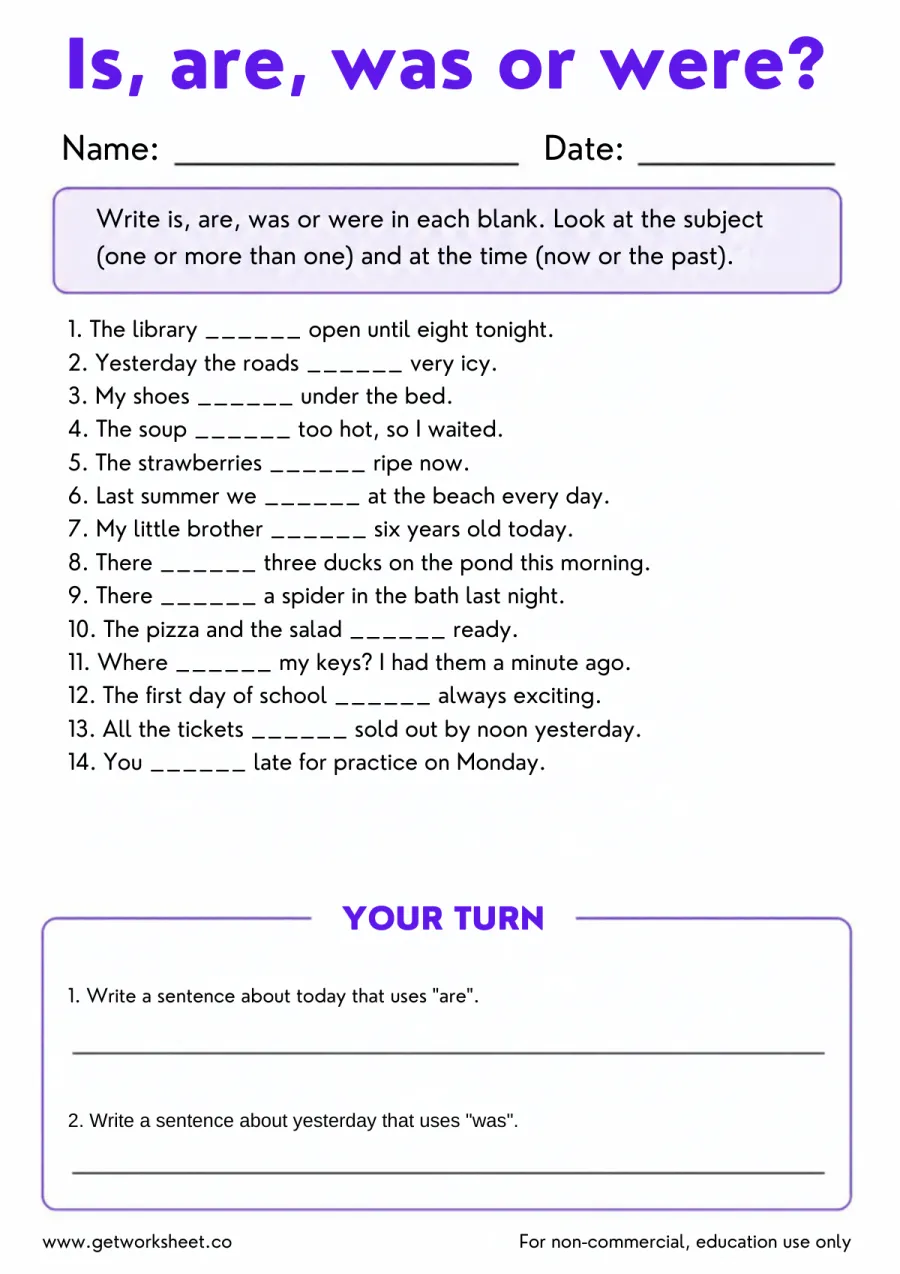
Is, are, was or were? (14 sentences)
Fourteen sentences to complete with is, are, was or were; time clues tell students whether the sentence is about now or the past. Answer key on page 2.
Whole set
All 5 sheets in one PDF
Instant and ad-free. No account needed.
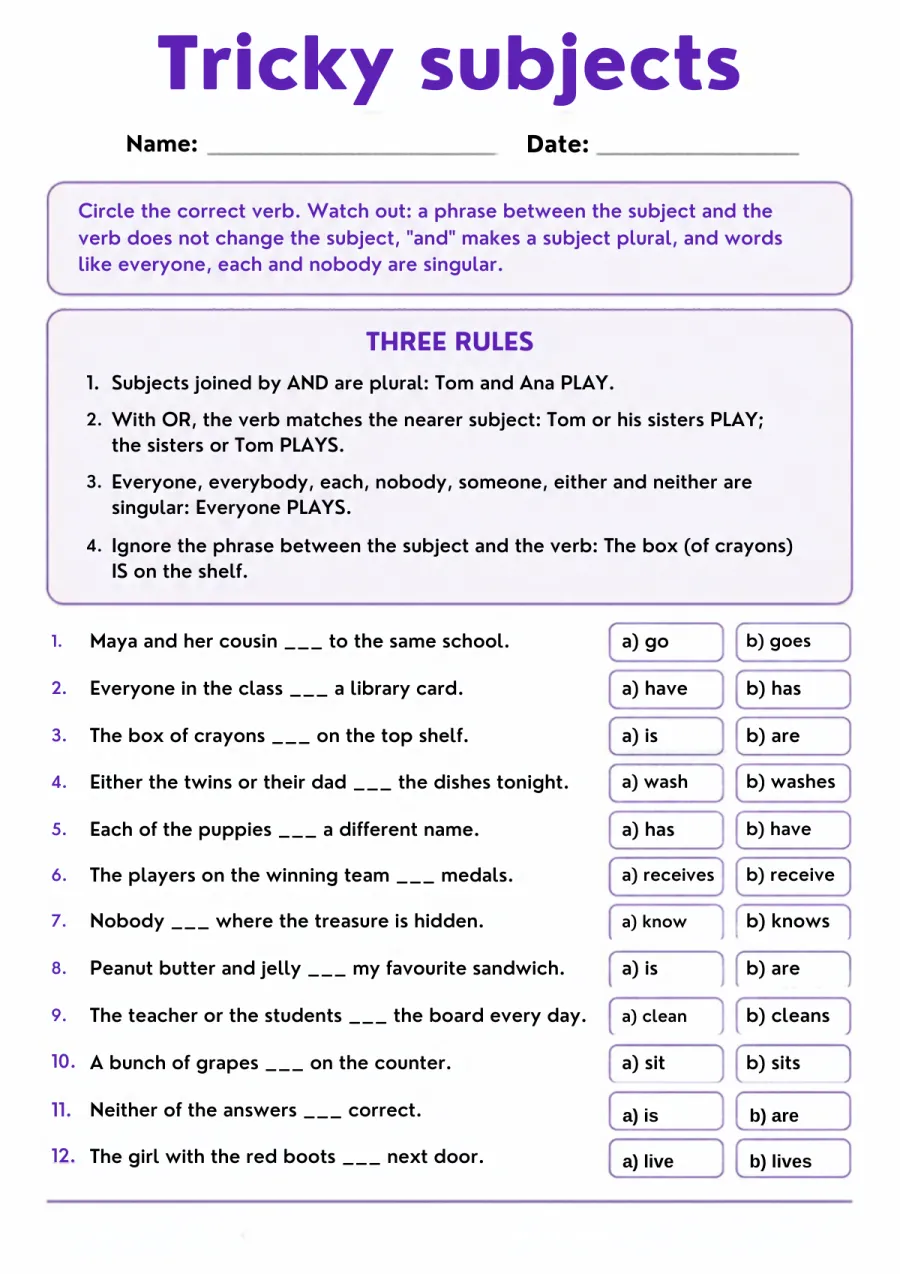
Tricky subjects: compound subjects, everyone/each, phrases in between
Twelve sentences with compound subjects, indefinite pronouns and prepositional phrases between the subject and verb. Grades 4-5. Answer key on page 2.
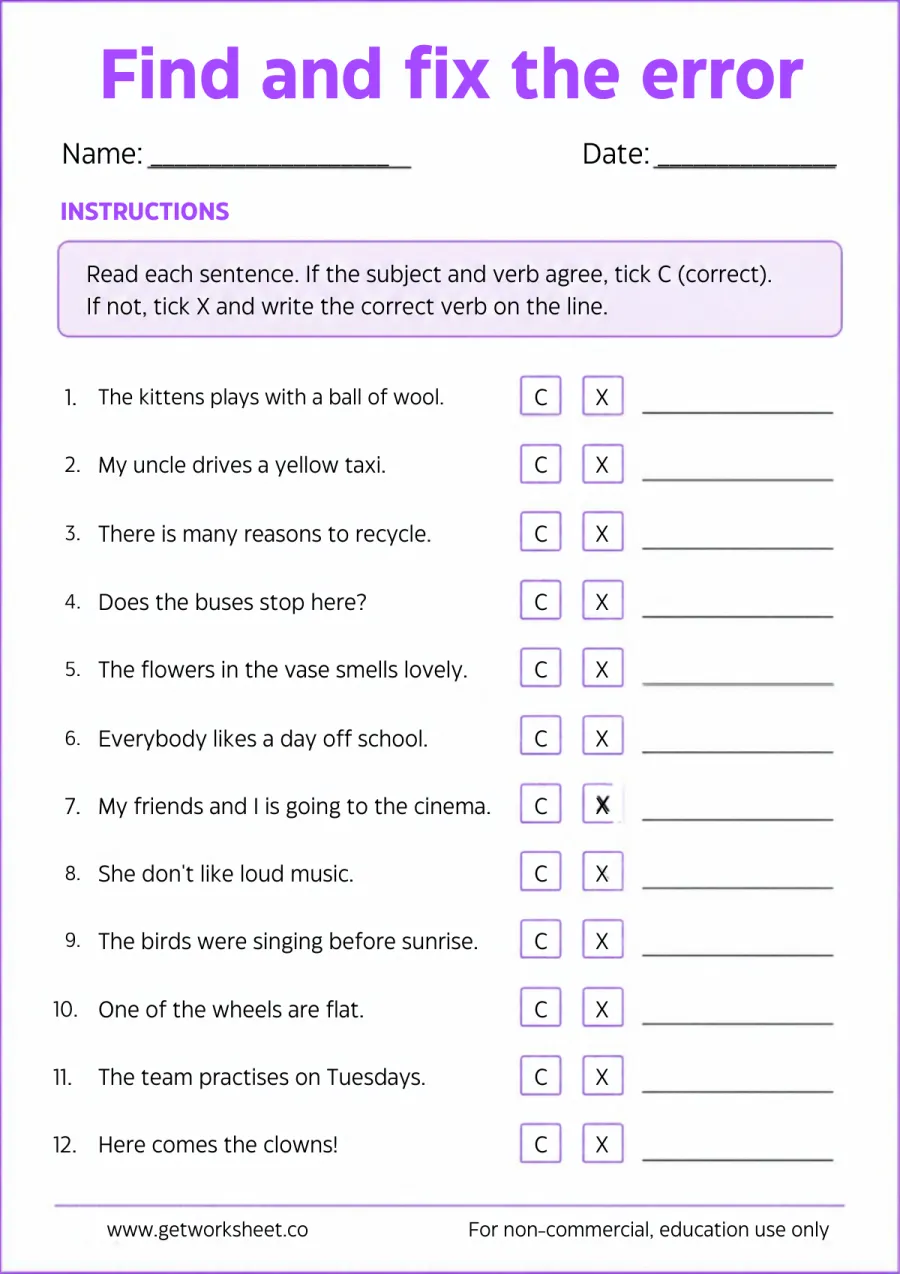
Find and fix the agreement error (12 sentences, 4 are correct)
Twelve sentences; eight have a subject-verb agreement error and four are correct. Students mark each one and rewrite the wrong verb. Answer key on page 2.
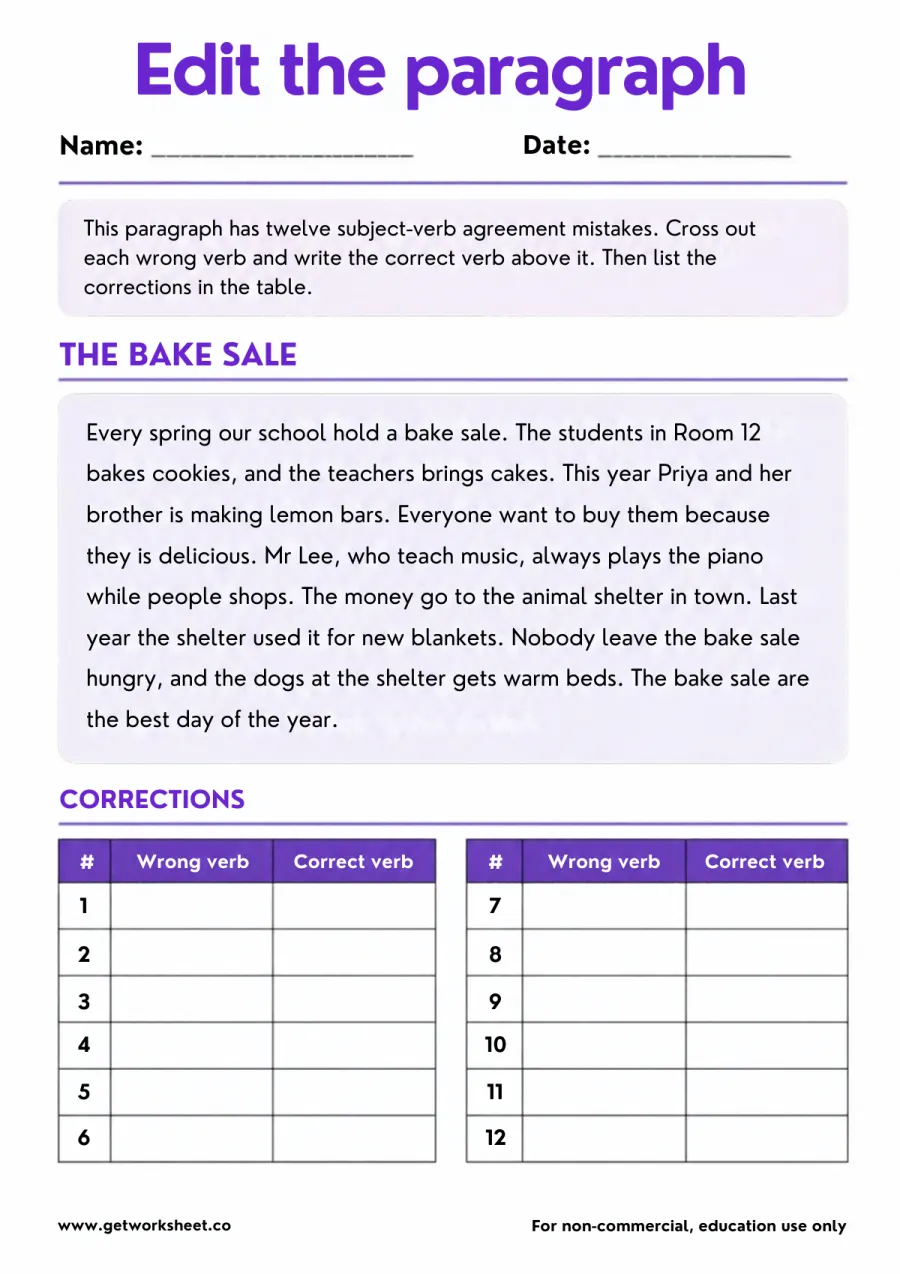
Edit the paragraph: 12 agreement errors to correct (grades 4-5)
A short paragraph about a school bake sale with twelve subject-verb agreement errors. Students cross out each wrong verb and write the correct one above it. Answer key on page 2.
AI worksheet generator
Make a worksheet like this for your class
The 5 sheets above are fixed. The generator writes a new subject verb agreement worksheet for your grade, with the question types and count you choose, in about 20 seconds. Pick a grade to start:
What you get
- A fresh set of questions on subject verb agreement, not a copy of the sheets above
- Multiple choice, fill in the blanks, true or false, open ended
- Answer key and print-ready PDF with Pro
Free account, 1 worksheets a week. No card.
Subject-verb agreement sounds simple: one dog runs, two dogs run. It stops being simple when a phrase sits between the subject and the verb ("the box of crayons"), when subjects are joined by and or or, and when the subject is everyone or each. These five worksheets start with the basic rule for grade 2 and finish with a paragraph edit that a grade 5 class will find properly hard.
What's in this set
- One or more than one? Fourteen simple present-tense sentences (runs/run, likes/like, plays/play); underline the subject, then circle the verb that agrees.
- Is, are, was or were? Fourteen sentences with a blank for is, are, was or were; the subject decides singular or plural and the time clue decides present or past.
- Tricky subjects. Twelve harder sentences: subjects joined by and/or, everyone/each/nobody, and phrases such as "the box of crayons" that hide the real subject. Grades 4-5.
- Find and fix the error. Twelve sentences, eight with an agreement error and four correct; tick correct or cross wrong, then write the correct verb. Includes there is/are and questions.
- Edit the paragraph. A 120-word paragraph about a bake sale containing twelve agreement errors; cross out each wrong verb and write the correction above. Then a table to fill with the corrected verbs.
What students will practice
- Finding the subject first, then choosing the verb (Common Core L.3.1.f: ensure subject-verb and pronoun-antecedent agreement)
- Adding -s to the verb for a singular subject in the present tense, and not for a plural one
- Choosing is/are and was/were by number and by time
- Handling compound subjects, indefinite pronouns and prepositional phrases between subject and verb
- Proofreading for agreement errors in sentences and in continuous prose
Free printable makers
Make your own subject verb agreement sheets
Type your own words or numbers and print in about 30 seconds. No account, no AI, answer key where it applies.
AI worksheet generator
Need a different subject verb agreement worksheet?
Generate a custom subject verb agreement worksheet: pick the grade, question types and count, and print it in about 20 seconds. Free accounts get 1 generation a week.
How to use these worksheets in class
- Grade 2 to 3: the -s rule. Start with One or more than one?. Have children underline the subject and write 1 or 2+ above it before they look at the verbs. Point out the odd thing about English: the -s goes on the plural noun but on the singular verb.
- Is/are/was/were. Ask for the two decisions in order, first number, then time. Items with there is/are and where are need the reminder that the subject comes after the verb.
- Grade 4 to 5: tricky subjects. Read the three rules on the sheet aloud and then do items 3 and 10 together ("The box of crayons", "A bunch of grapes"): bracket the phrase, and the subject appears. Item 8, "Peanut butter and jelly is my favorite sandwich", is deliberately arguable and makes a good two-minute debate.
- Proofreading. Find and fix the error includes four correct sentences so students cannot just change everything. The paragraph edit has twelve errors, all listed on the key; ten out of twelve is a pass.
- Read aloud. Most agreement errors are audible. When a child gets one wrong, read both versions aloud and let them hear it before you explain it.
Answer key
Every practice sheet carries its own answer key on page 2 of the PDF. The keys are repeated here for quick marking.
- One or more than one?: 1. b) sleeps 2. a) play 3. b) tells 4. a) drink 5. b) appears 6. a) share 7. b) barks 8. a) walk 9. b) drinks 10. a) make 11. b) stops 12. a) live 13. b) laughs 14. a) fall
- Is, are, was or were?: 1. is 2. were 3. are 4. was 5. are 6. were 7. is 8. are 9. was 10. are 11. are 12. is 13. were 14. were Your turn: 1. Any correct sentence with a plural subject. 2. Any correct sentence with a singular subject.
- Tricky subjects: 1. a) go 2. b) has 3. a) is 4. b) washes 5. a) has 6. b) receive 7. b) knows 8. a) is 9. a) clean 10. b) sits 11. a) is 12. b) lives
- Find and fix the error: 1. X: play 2. C 3. X: are 4. X: Do 5. X: smell 6. C 7. X: are 8. X: doesn’t 9. C 10. X: is 11. C 12. X: come
- Edit the paragraph: Corrections: 1 | hold | holds 2 | bakes | bake 3 | brings | bring 4 | is making | are making 5 | want | wants 6 | they is | they are 7 | teach | teaches 8 | shops | shop 9 | go | goes 10 | leave | leaves 11 | gets | get 12 | are | is
Common mistakes to watch for
- Matching the verb to the nearest noun. "The flowers in the vase smells": the subject is flowers, not vase. Bracketing the phrase fixes this.
- Treating "everyone" as plural. It refers to many people but is grammatically singular, like each and nobody.
- "There is" for everything. "There is many reasons" is one of the most common errors in children’s writing; it appears on the fourth sheet.
- "Don’t" with he, she and it. "She don’t" is common in speech; the fourth sheet corrects it to doesn’t.
Frequently asked questions
What grade are these subject-verb agreement worksheets for?
One or more than one? and Is, are, was or were? suit grades 2 and 3. Tricky subjects, Find and fix the error and Edit the paragraph suit grades 4 and 5. The set covers Common Core L.3.1.f and the proofreading expectations of L.4.1 and L.5.1.
Do the worksheets have answer keys?
Yes, on page 2 of every PDF and in the "Answer key" section above.
Is "everyone" singular or plural?
Singular. Everyone, everybody, each, nobody, someone, either and neither all take a singular verb: everyone has, each is.
What happens with subjects joined by "or"?
The verb agrees with the subject nearest to it: "Either the twins or their dad washes the dishes" but "Either their dad or the twins wash the dishes". This is on the Tricky subjects sheet.
Why does the verb get the -s when the subject is singular?
Only in the present tense, and only for he, she, it and singular nouns. It is a leftover from older English verb endings. Children just need the pattern: one dog runs, two dogs run.
Related grammar worksheets
Finding the subject is the first step, so the subject and predicate worksheets are the natural warm-up. The helping verbs worksheets cover is/are and has/have as helping verbs, and the sentence fragments worksheets continue the sentence-editing work.
Free library
Related collections
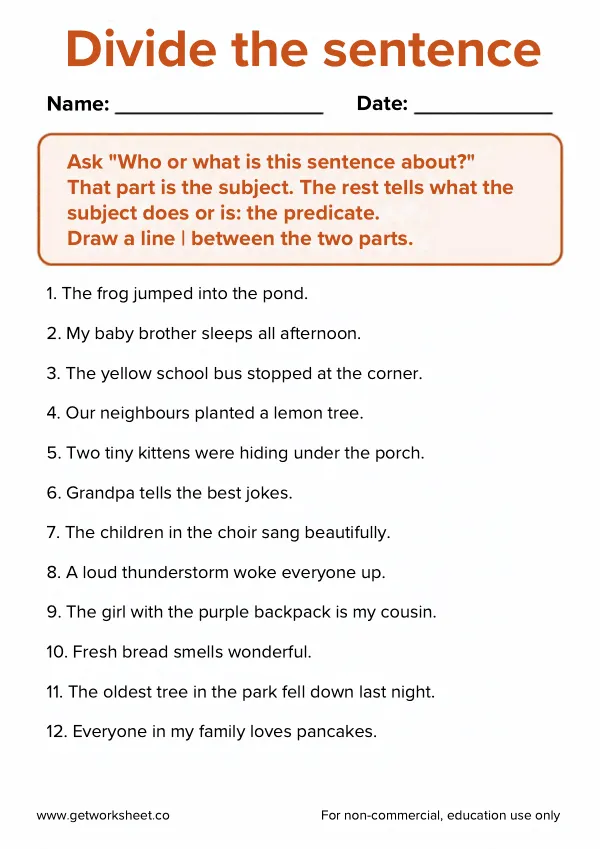
Free subject and predicate worksheets
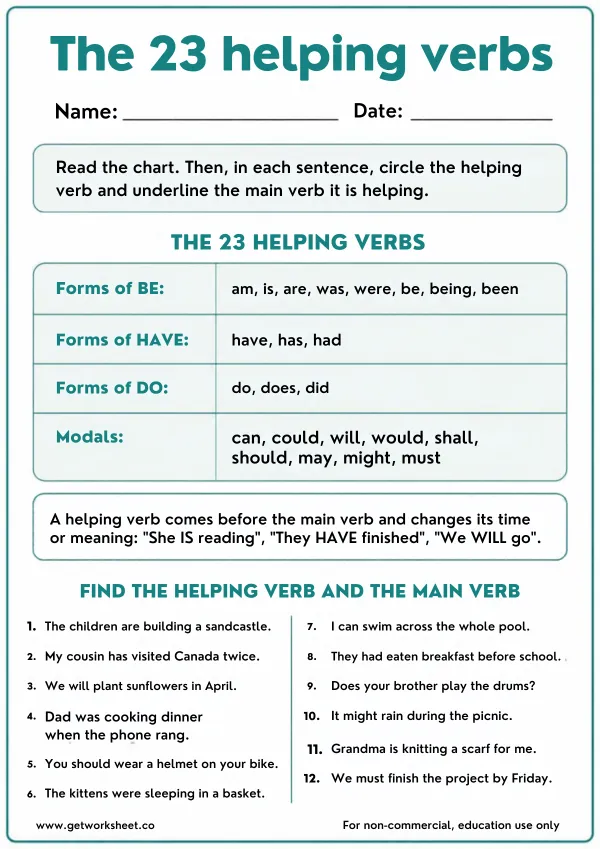
Free helping verbs worksheets
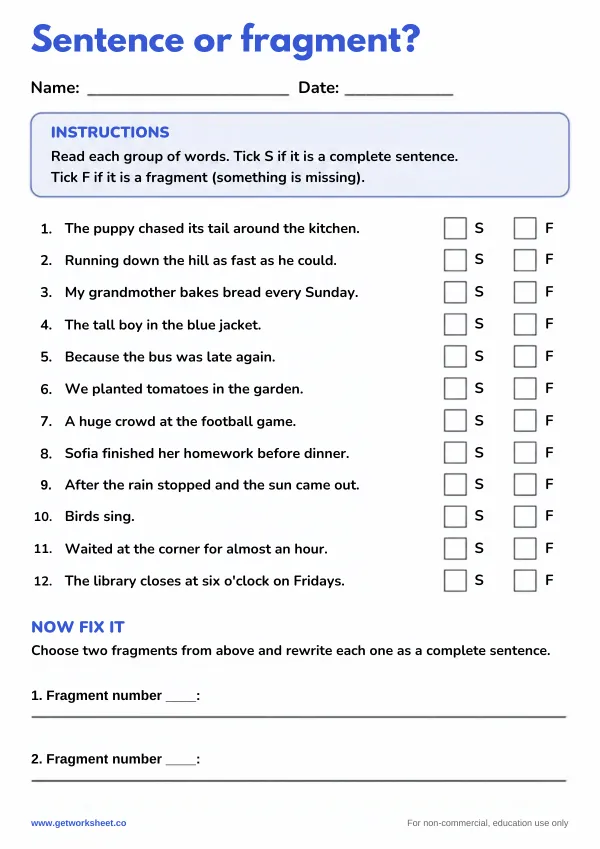
Free sentence fragments worksheets
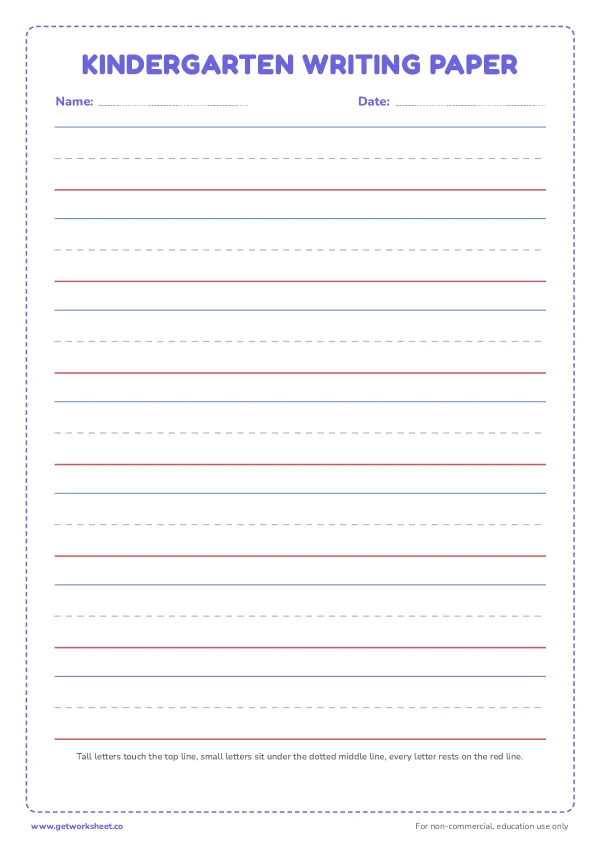
Free handwriting paper printables
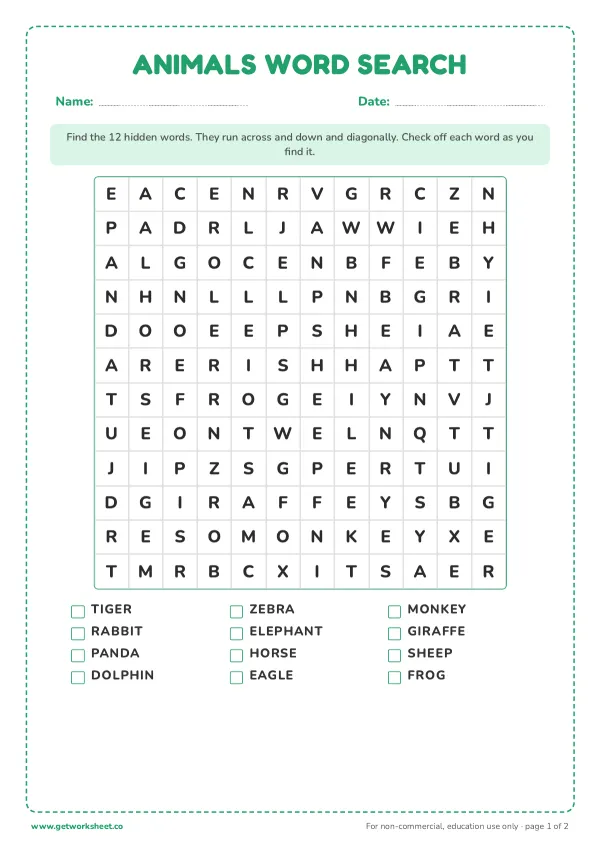
Free word search printables
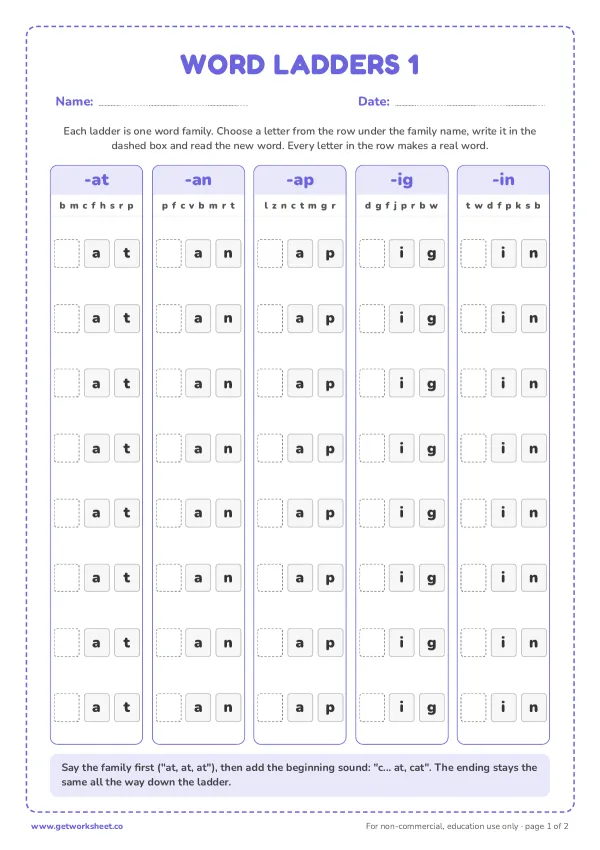
Free word families worksheets
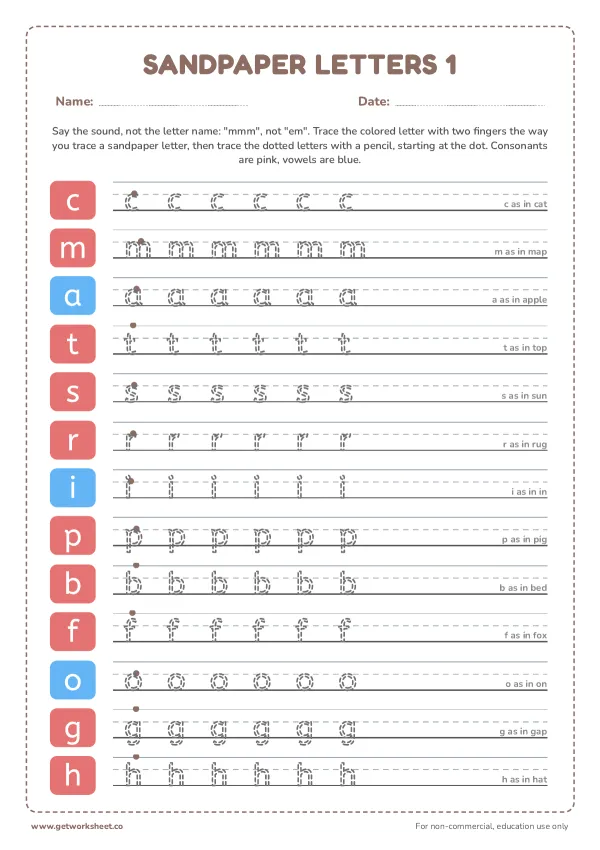
Free Montessori language worksheets
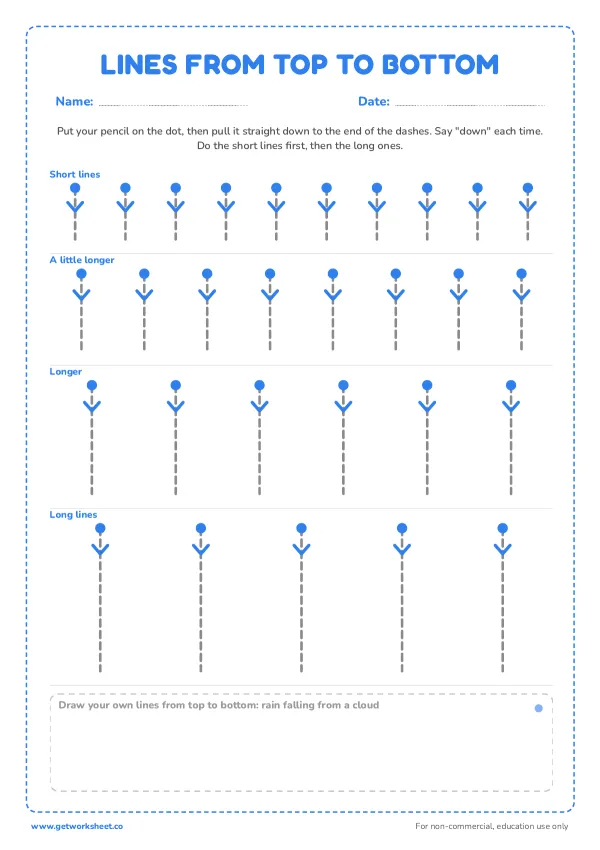
Free pre-writing worksheets
More worksheets
- Free sight words worksheets (Dolch and Fry)
- Free CVC words worksheets
- Free name tracing worksheets
- Free letter Z tracing worksheets
- Free letter Y tracing worksheets
- Free letter X tracing worksheets
- Free letter W tracing worksheets
- Free letter V tracing worksheets
- Free letter U tracing worksheets
- Free letter T tracing worksheets
- Free letter S tracing worksheets
- Free letter R tracing worksheets