Free summer coloring pages
Free summer coloring pages for kids. Beach scenes, ice cream, sunshine, and outdoor fun — printable PDF coloring sheets for all ages.
Summer coloring pages bring the season's best vibes to paper — sunny beaches, melting ice cream cones, splashing in pools, camping under the stars, and all the outdoor adventures kids look forward to all year. These pages keep the creative juices flowing during summer break while reinforcing fine motor skills that might otherwise get rusty without regular school activities.
What Students Will Practice
- Developing fine motor control through coloring summer scenes with diverse elements (waves, sand, sunrays, flowers)
- Exploring warm color palettes — yellows, oranges, and reds for sunshine and warmth
- Building focus during a calming screen-free activity (especially valuable during long summer days)
- Strengthening hand muscles and pencil grip to maintain writing readiness over summer break
- Making creative color choices for vibrant summer scenes
- Connecting art to summer experiences and seasonal vocabulary (surfboard, sandcastle, sunscreen, popsicle)
Summer coloring pages support fine motor maintenance during school breaks and provide a creative, screen-free activity option for long summer days at home, at camp, or on road trips.
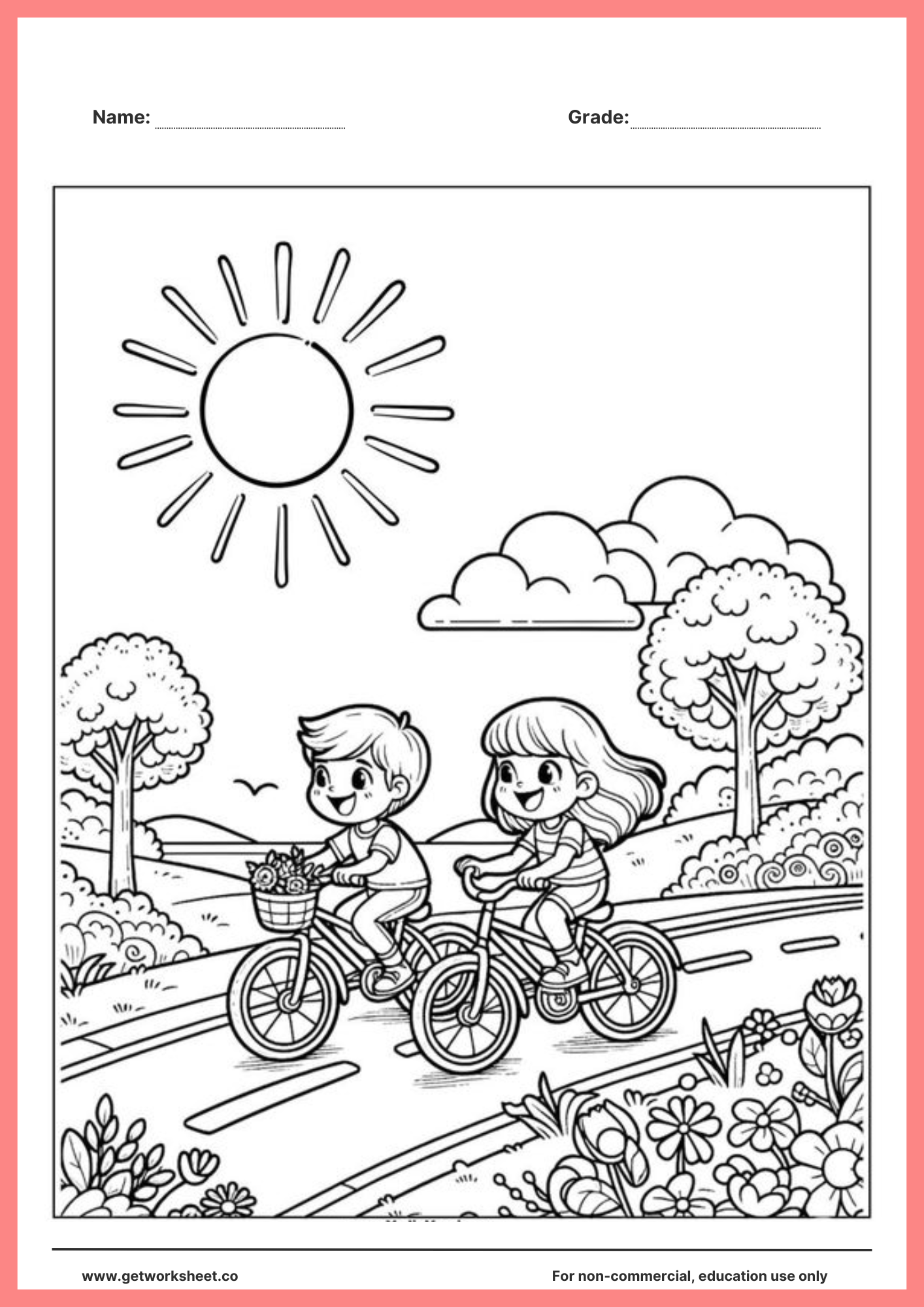
Summer coloring page printable 5
Summer coloring page printable 5
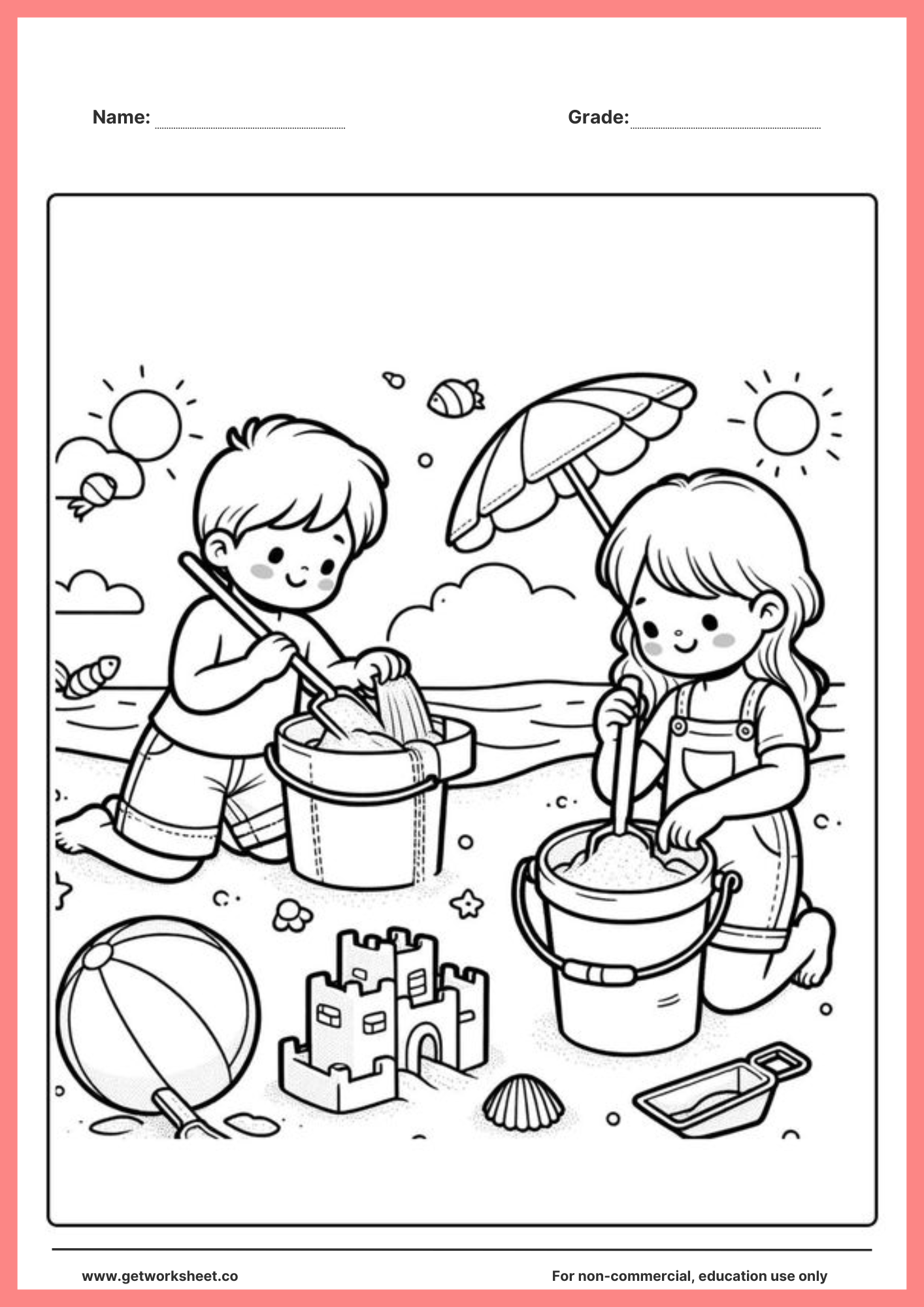
Summer coloring page printable 4
Summer coloring page printable 4
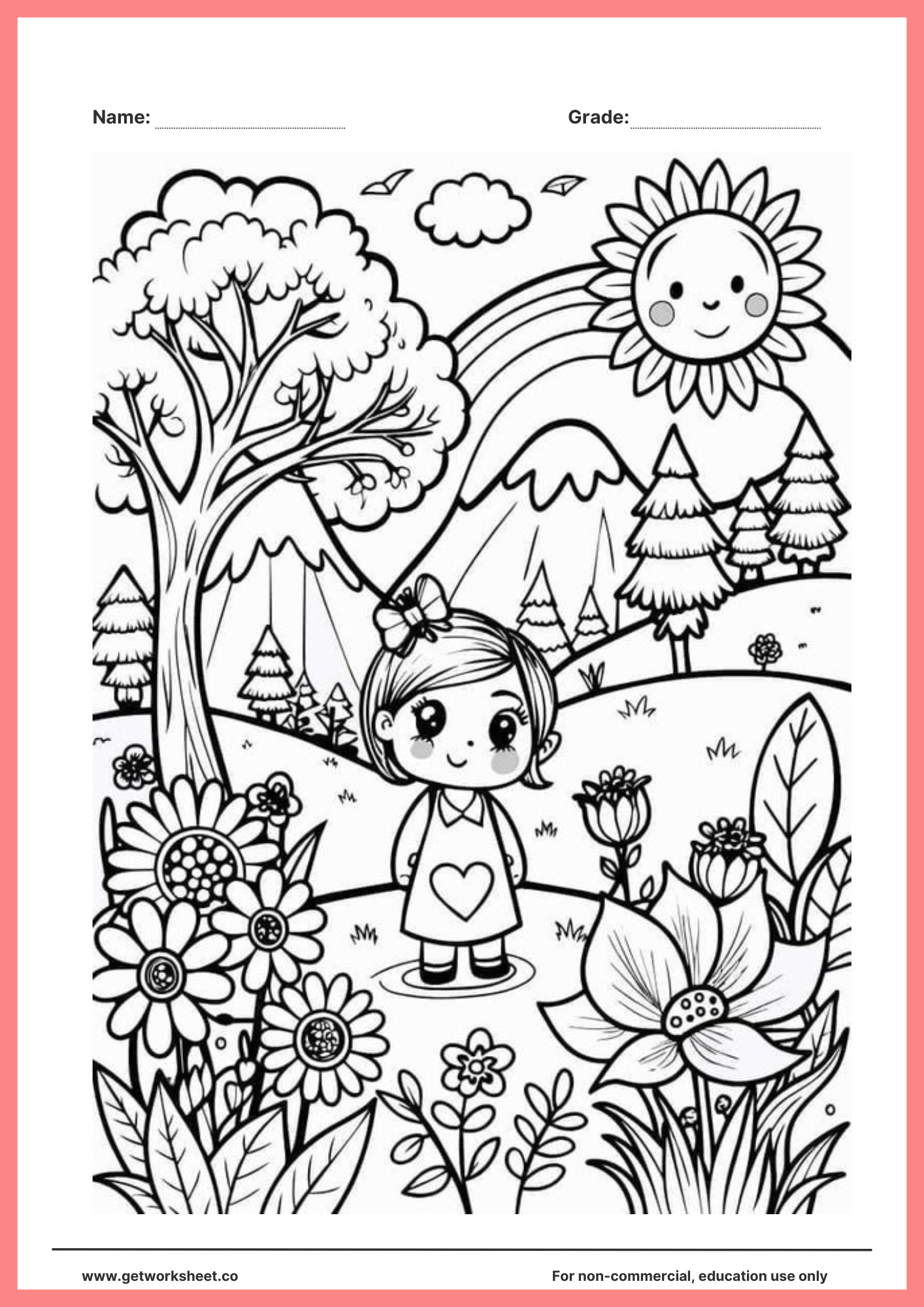
Summer coloring page printable 3
Summer coloring page printable 3
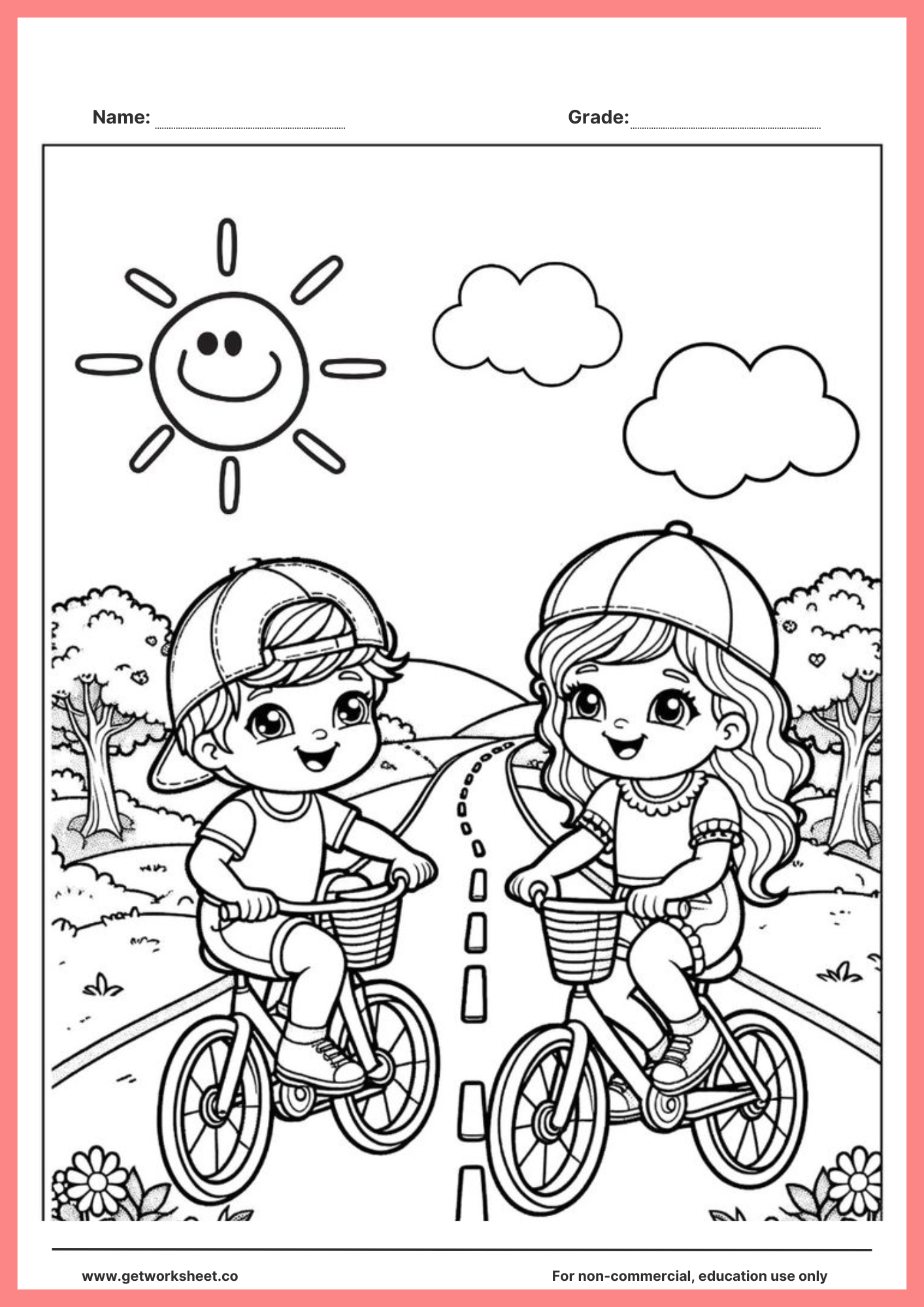
Summer coloring page printable 2
Summer coloring page printable 2
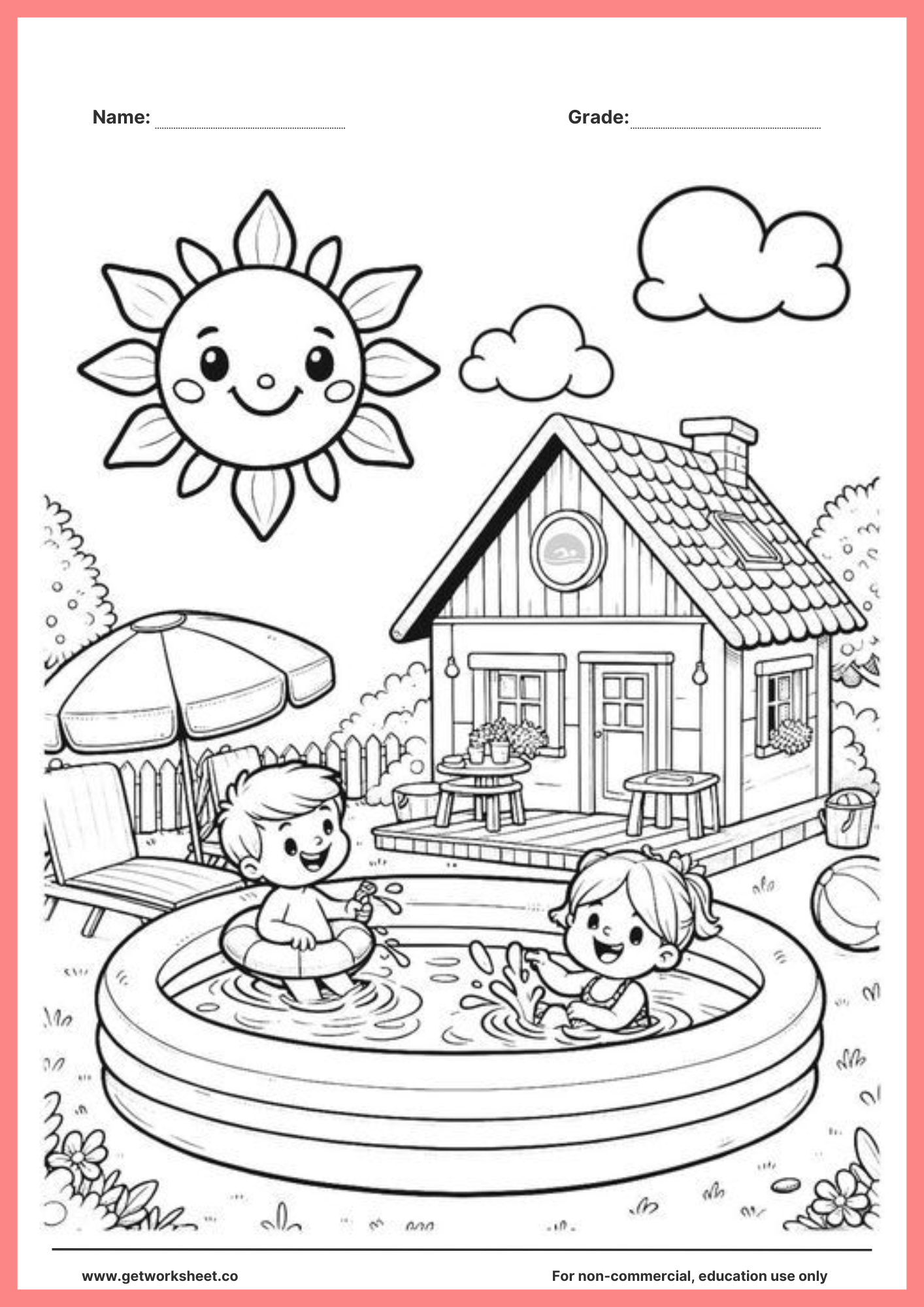
Summer coloring page printable 1
Summer coloring page printable 1
How to Use These Coloring Pages
Summer coloring is perfect for keeping skills sharp without feeling like homework.
- Pack coloring pages and a small set of crayons or colored pencils for road trips, airplane rides, and restaurant wait times. They're screen-free entertainment that fits in any bag and requires no batteries or Wi-Fi.
- Use summer coloring as part of a daily routine during break: 15-20 minutes of coloring after lunch keeps fine motor skills active. Research shows that students who do some form of writing or drawing during summer retain hand coordination better for the school year ahead.
- Encourage bold, bright colors that match the summer mood. Summer scenes are an invitation to use the most vibrant crayons in the box — hot pink, electric blue, sunny yellow, lime green. There's no room for muted tones when coloring a beach sunset.
- Turn completed coloring pages into summer keepsakes: create a "Summer Art Book" by stapling finished pages together, or mail colored pages to grandparents as summer postcards. Giving coloring a purpose beyond the activity itself increases engagement.
Common Mistakes to Watch For
- Summer slide in fine motor skills: After weeks without writing or drawing, children's hand coordination naturally decreases. If coloring feels harder at the end of summer than the beginning, that's normal. Regular coloring throughout the break prevents this regression.
- Rushing through pages out of boredom: On long summer days, children sometimes speed through coloring pages without care. Set a quality expectation: "Let's try using at least 6 different colors on this page" or "Can you add some details to the background?"
- Forgetting about water and sky colors: Children often color the main subject (ice cream cone, beach umbrella) carefully but leave the ocean one flat shade of blue and the sky white. Encourage them to color backgrounds too — a gradient sky or waves with multiple blue-green tones makes the whole page come alive.
- Only coloring familiar summer scenes: If your child always picks the beach page, gently encourage trying a camping scene, a garden page, or a summer sports page. Variety in subject matter develops broader artistic skills and expands visual vocabulary.
Frequently Asked Questions
How can coloring pages help prevent "summer slide"?
The "summer slide" usually refers to academic skills, but fine motor skills can regress too. Regular coloring maintains the hand strength, coordination, and pencil grip that writing requires. Even 15 minutes a few times a week keeps motor skills active so children aren't starting from scratch when school resumes.
What are the best summer coloring activities for road trips?
Choose pages with moderate detail — enough to keep a child busy for 15-20 minutes but not so complex that bumpy roads make them impossible. Bring a hard-surface clipboard or book as a backing. Pack 8-12 crayons (not the full 64 box) for portability. Colored pencils work better in the car than markers (no cap drama).
Can summer coloring pages be used at camp or summer programs?
Absolutely. They're perfect for transition times, rainy day indoor activities, or quiet periods in after-care programs. Print a variety of designs so children can choose. They also work well as a calming activity after high-energy outdoor play.
My child says coloring is boring. How do I make it appealing?
Add a twist: coloring contests (most creative use of color wins), timed challenges (how many sections can you color in 5 minutes?), collaborative pages (each person colors one section), or mixed media (add stickers, glitter, or stamps to the coloring page). Changing the format often re-engages reluctant colorers.
Summer coloring pages are one piece of a screen-free summer activity toolkit. Pair them with outdoor art (sidewalk chalk, nature sketching), craft projects, and reading to keep children creatively and academically engaged throughout the break.