Free spring coloring pages
Free spring coloring pages for kids. Flowers, butterflies, rainbows, baby animals, and garden scenes — printable PDF coloring sheets for all ages.
Spring coloring pages celebrate renewal and growth — blooming flowers, fluttering butterflies, baby birds, rain showers, and vibrant rainbows. After a long winter of indoor activities, spring-themed coloring brings bright colors and fresh energy to the art table. These pages feature the best of the season and give children a chance to explore nature's most colorful palette.
What Students Will Practice
- Developing fine motor control through coloring detailed nature scenes with flowers, insects, and garden elements
- Exploring a bright, varied color palette — the greens, pinks, yellows, and purples of spring
- Learning about spring nature: flower parts, butterfly life cycles, weather patterns, baby animals
- Building patience through detailed coloring with many small elements (petals, leaves, raindrops)
- Strengthening hand muscles and pencil grip through sustained coloring activity
- Practicing observational skills by coloring flowers and animals with realistic or creative color choices
Spring coloring pages support fine motor development and creative expression while connecting naturally to science themes like plant growth, weather, animal life cycles, and the changing seasons.
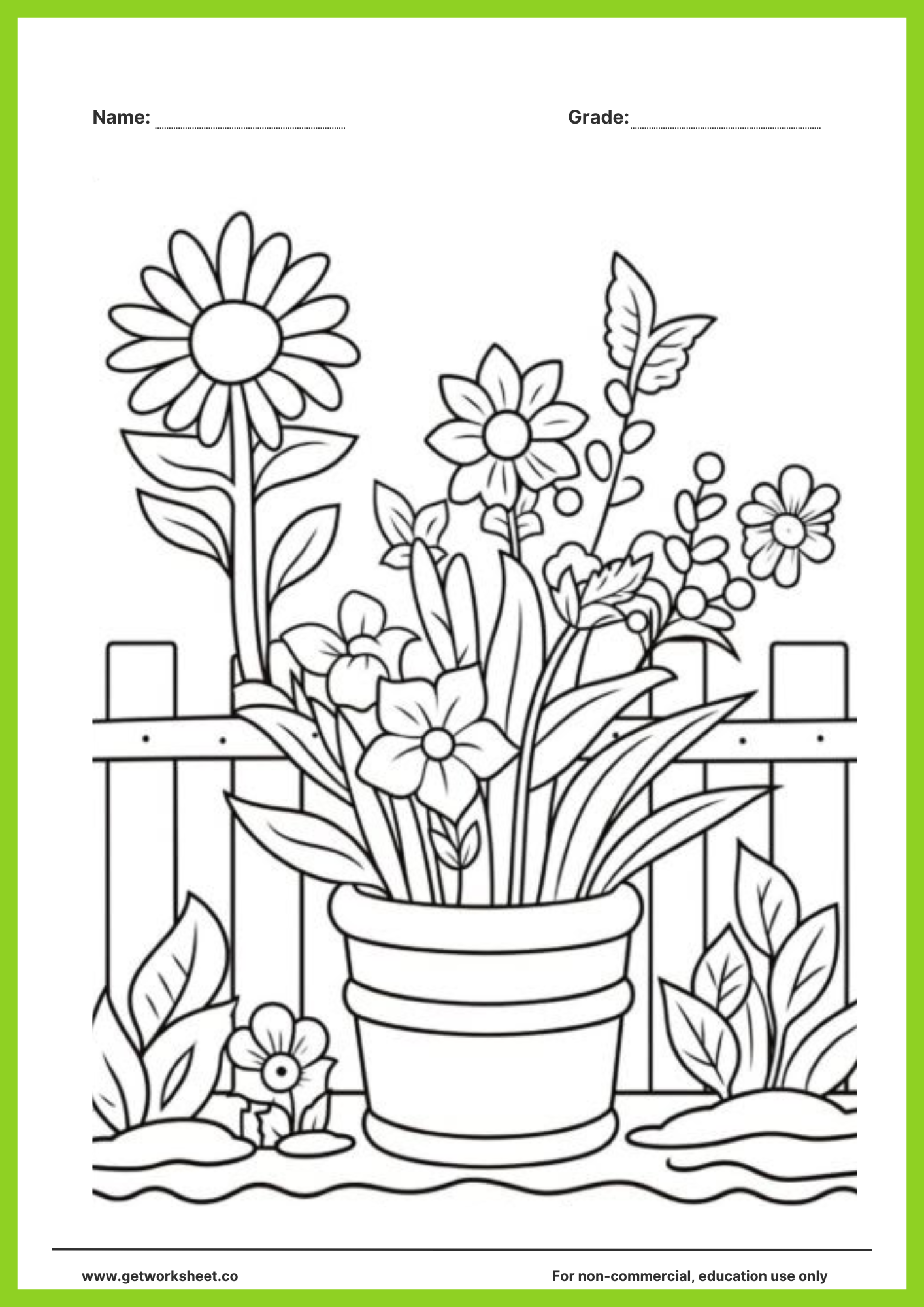
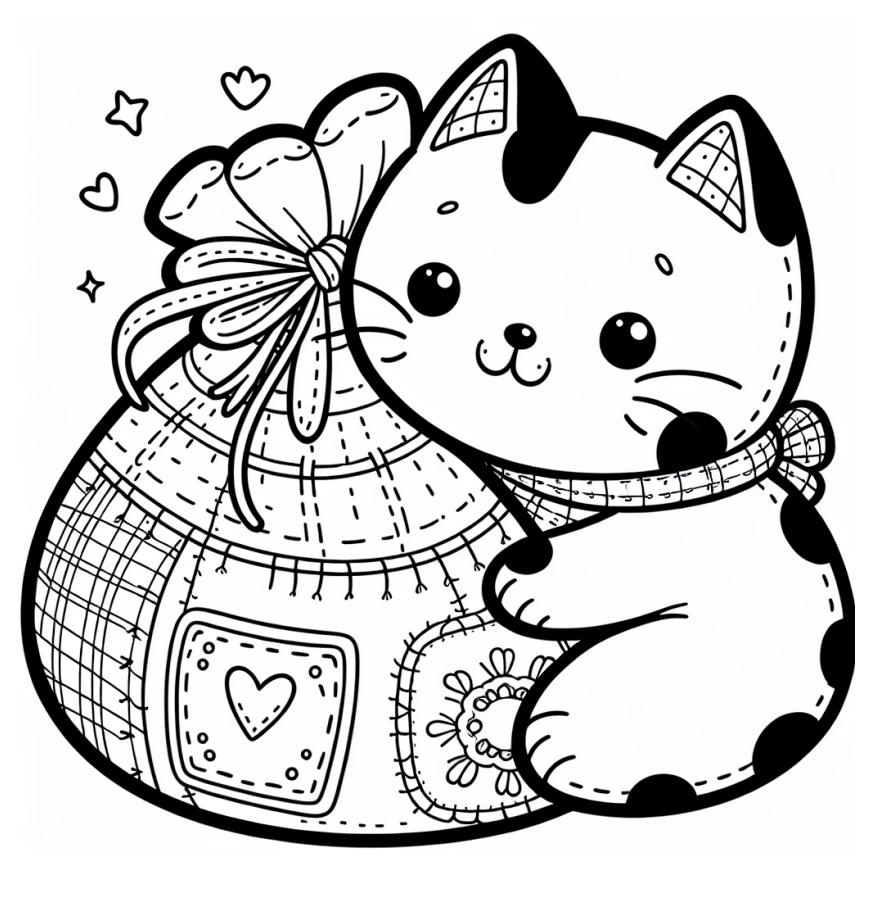
Spring coloring page printable 5
Spring coloring page printable 5
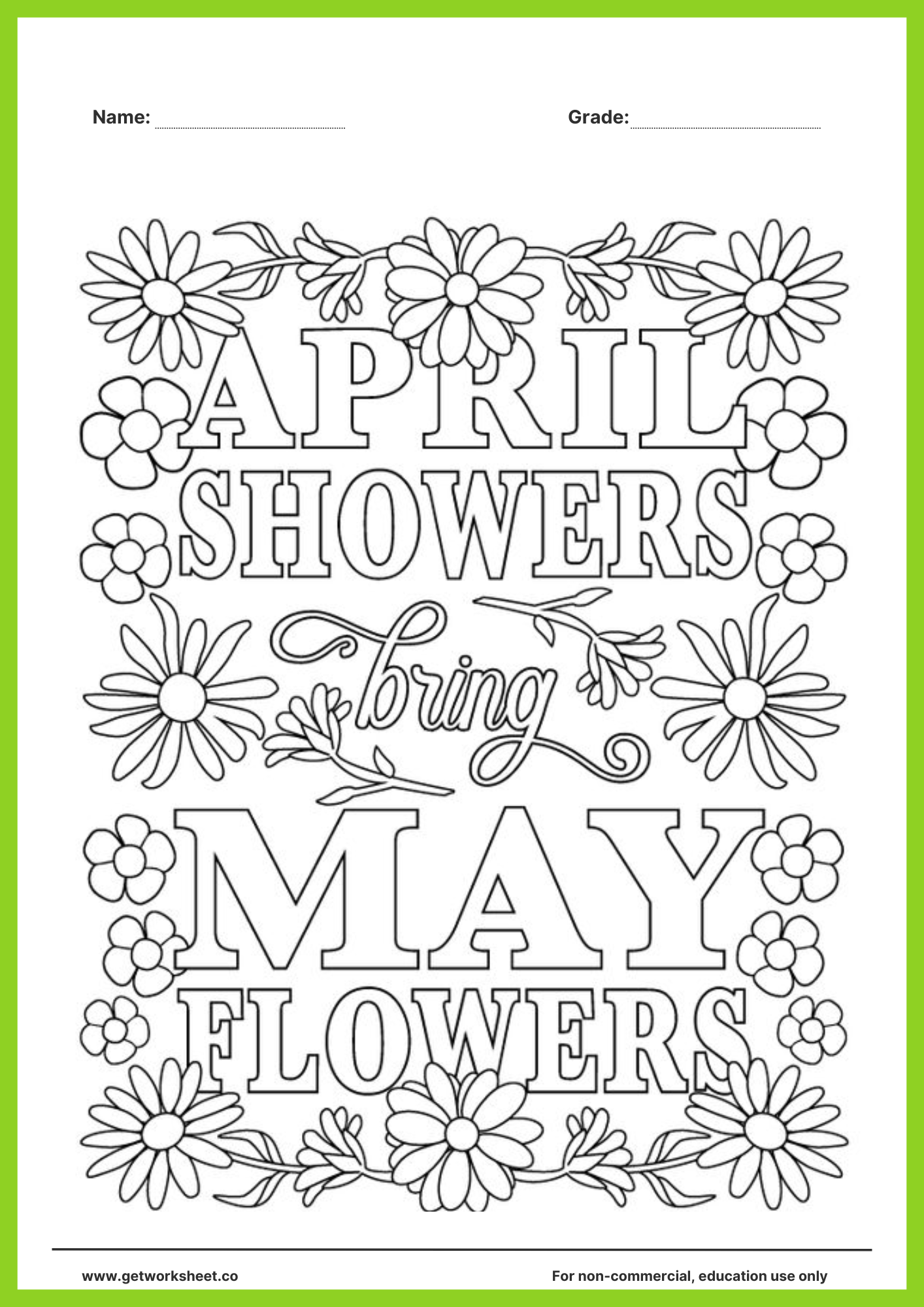
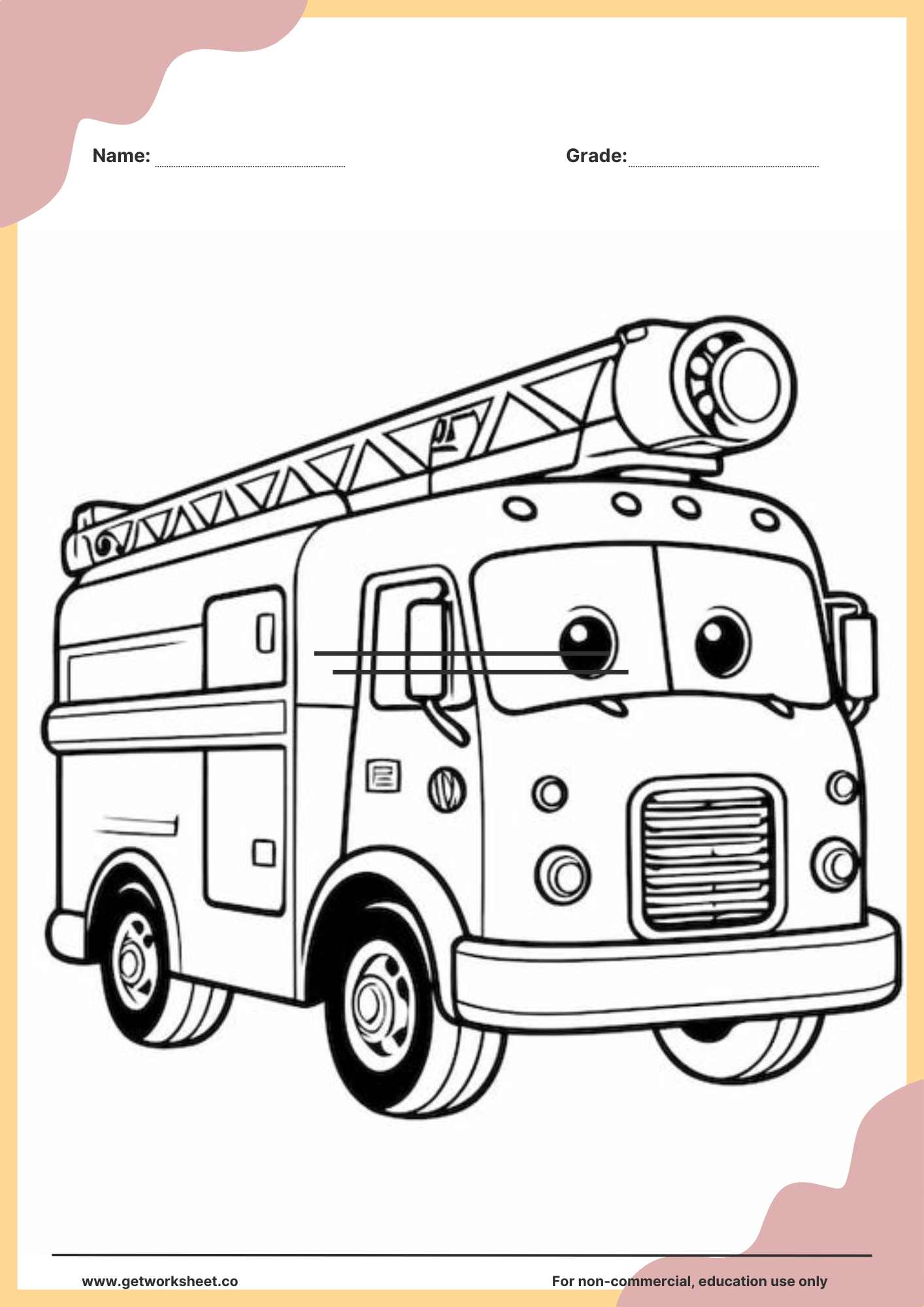
Spring coloring page printable 4
Spring coloring page printable 4
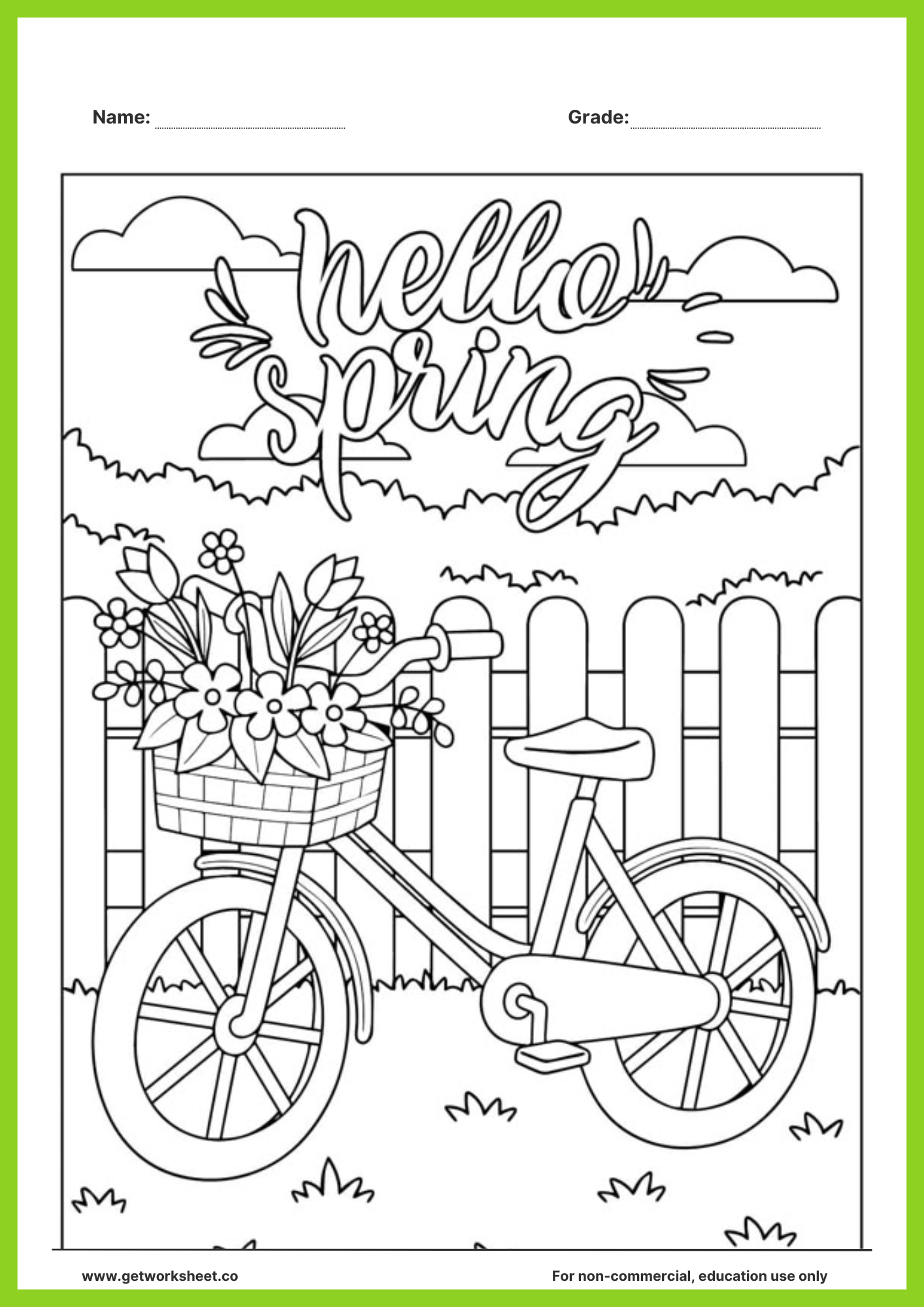
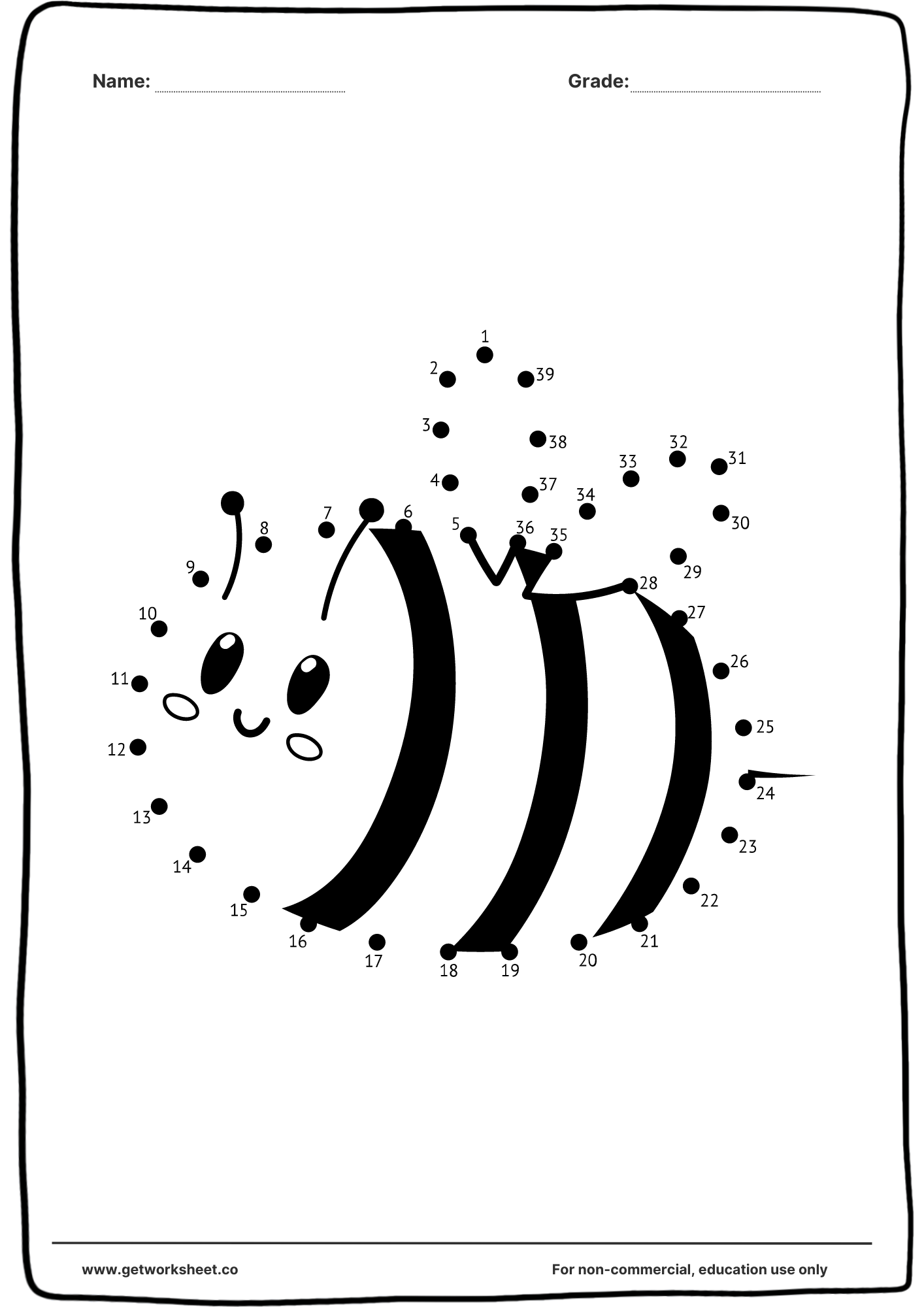
Spring coloring page printable 3
Spring coloring page printable 3
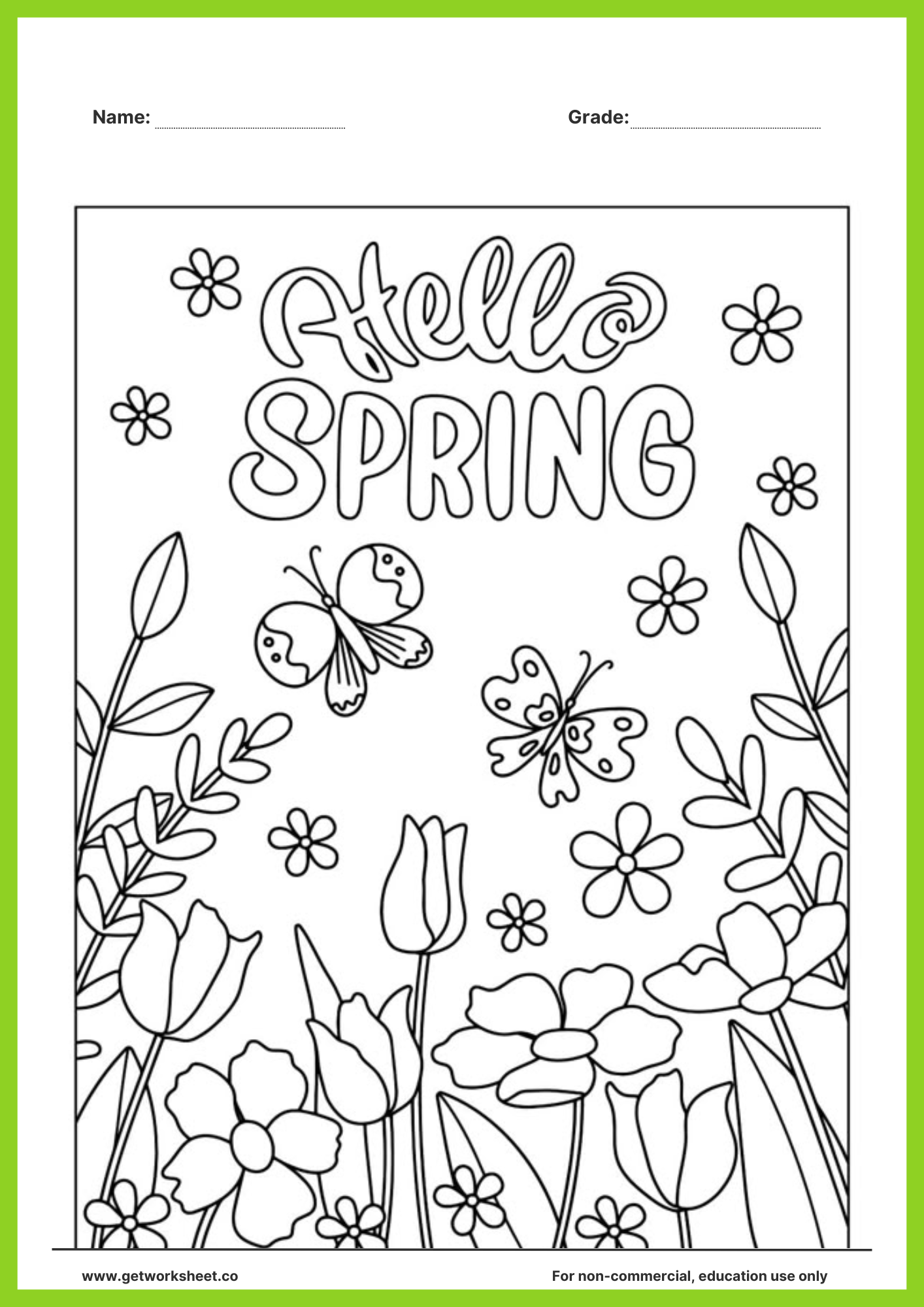
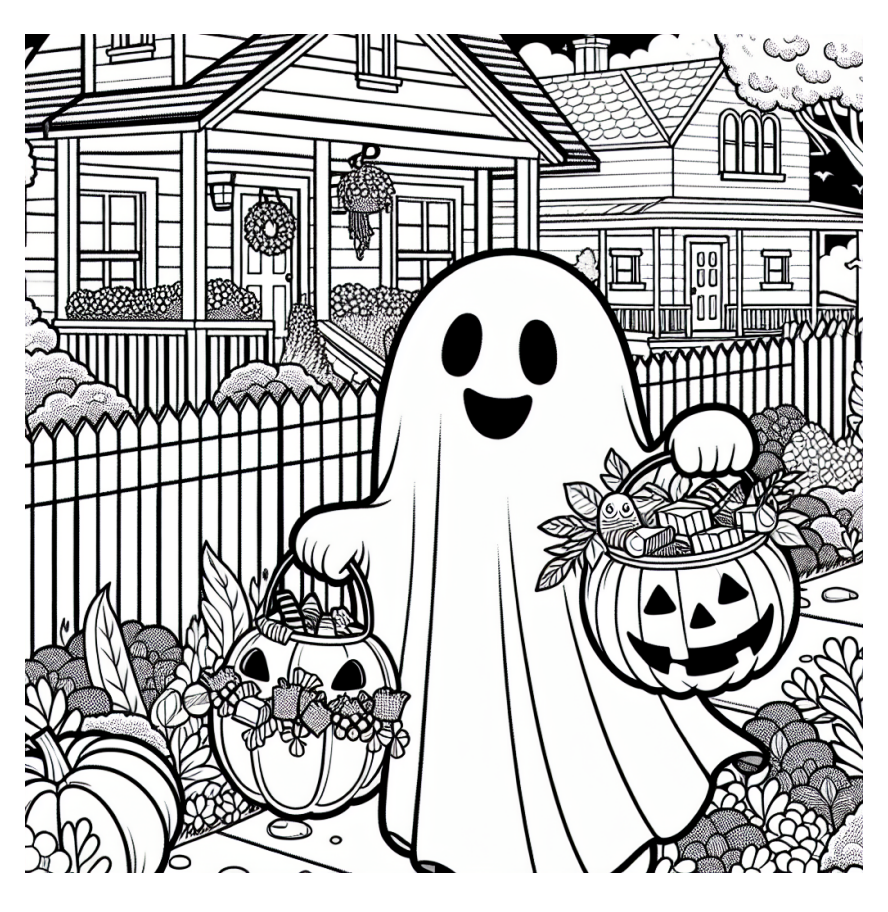
Spring coloring page printable 2
Spring coloring page printable 2
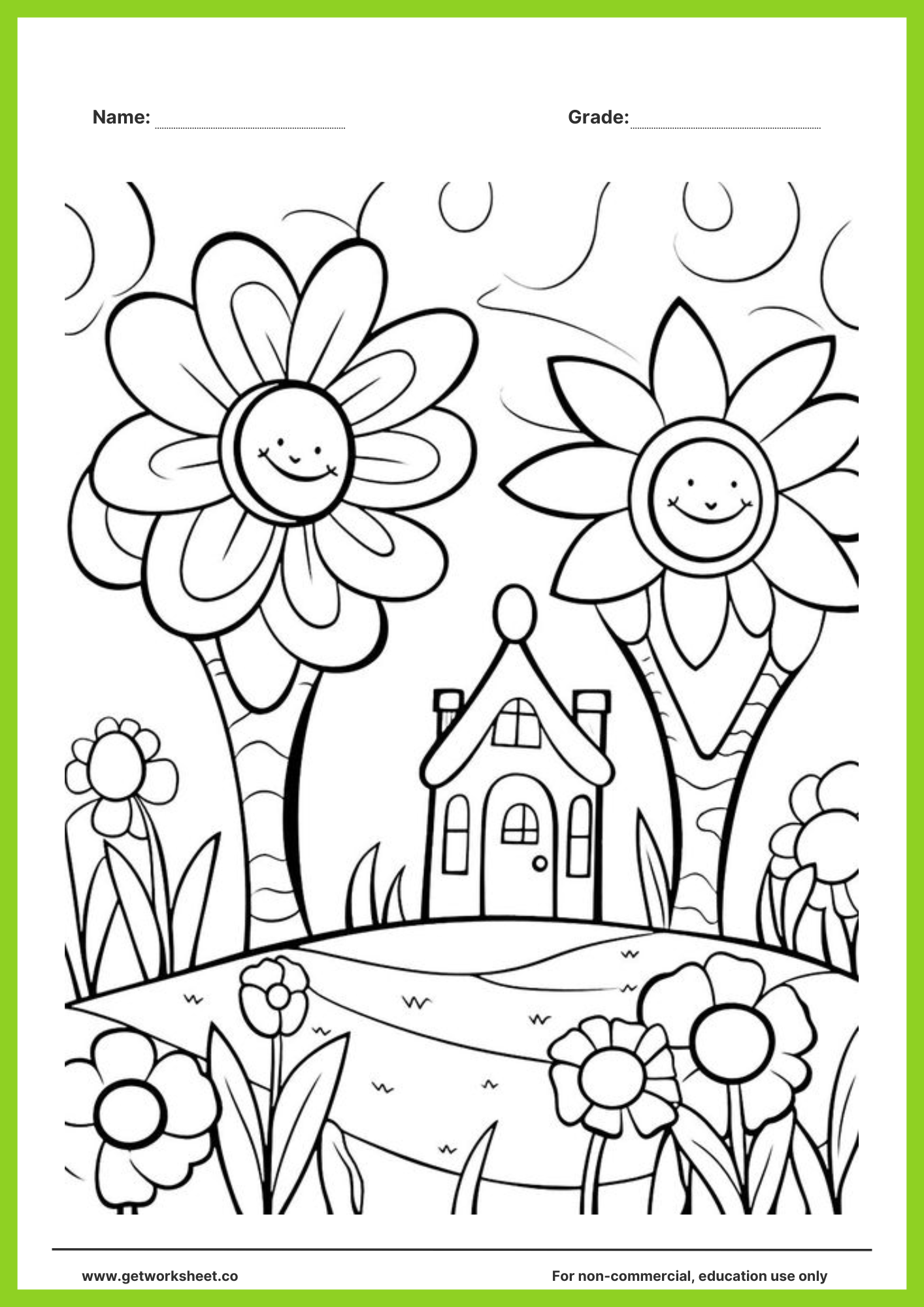
Spring coloring page printable 1
Spring coloring page printable 1
How to Use These Coloring Pages
Spring themes offer natural connections to science and the outdoors.
- Before coloring a flower page, go outside and look at real flowers together. What colors are the petals? Are the leaves the same shade of green as the stem? Are there insects visiting? Observation before coloring leads to more thoughtful, detailed artwork.
- Use butterfly coloring pages alongside a butterfly life cycle lesson: egg, caterpillar, chrysalis, butterfly. Children can color each stage and arrange them in order. The coloring page becomes a science diagram that they created themselves.
- Encourage color mixing and blending: spring flowers come in gradients — a tulip might be red at the base and yellow at the tips. Show your child how to blend two colored pencils together for a gradient effect. This basic art technique adds sophistication to their work.
- Create a "spring garden" bulletin board or wall display by having multiple children color different flowers, then arrange them together as a collaborative garden. This turns individual coloring into a group art project.
Common Mistakes to Watch For
- Coloring all leaves the same green: Nature uses dozens of greens — lime, olive, forest, sage, emerald. Encourage your child to use at least two or three different greens for leaves, stems, and grass. This one change dramatically improves the realism and visual appeal of any spring scene.
- Making every flower the same color: In a garden scene, each flower should be different. A row of identical red flowers looks flat; a mix of pink, yellow, purple, and orange looks like a real garden. Variety is what makes spring beautiful — reflect that in the coloring.
- Ignoring small details like flower centers and butterfly wing patterns: The details are what make spring coloring pages special. A sunflower's brown center with tiny seeds, a butterfly's wing spots and patterns — these small elements, when colored carefully, transform a simple page into something impressive.
- Using dark colors for a spring scene: Spring is about light and brightness. Dark browns, blacks, and deep reds can make a spring page feel heavy. Suggest sticking to light, bright, and pastel tones for an authentic spring feeling, saving dark colors for outlines and small accents only.
Frequently Asked Questions
What ages are spring coloring pages for?
Simple flower and butterfly outlines with large areas work for ages 2-4. Garden scenes with multiple elements suit ages 4-7. Detailed botanical illustrations and intricate butterfly patterns challenge ages 7 and up. Spring themes appeal universally across all age groups.
How can I connect spring coloring to science lessons?
Spring coloring naturally connects to plant biology (parts of a flower), entomology (butterfly and bee anatomy), meteorology (rain and rainbows), and ecology (habitats and food chains). Color a flower diagram and label the parts. Color a butterfly and discuss the life cycle. These connections make both the art and the science more memorable.
Can we use spring coloring pages for Easter or Mother's Day?
Absolutely. Flower coloring pages make lovely homemade Mother's Day cards. Spring scenes work as Easter basket stuffers or holiday placemats. Add a personal message on the back and a colored spring page becomes a meaningful handmade gift.
What coloring tools work best for spring themes?
Colored pencils are ideal for the detailed flower work and gentle blending that spring scenes benefit from. Watercolor pencils (color then blend with a wet brush) create beautiful spring flower effects. For younger children, chunky crayons in a spring color assortment (pink, yellow, green, purple, light blue) work perfectly.
After spring coloring, children can explore nature journaling — drawing and describing real plants and animals they observe outside — building on the observational and artistic skills developed through seasonal coloring pages.