Free printable animal coloring pages
Free animal coloring pages for kids. Lions, butterflies, dolphins, and more — printable PDF coloring sheets for preschool through elementary ages.
Animal coloring pages are perennial favorites for a reason — kids are naturally fascinated by animals, and coloring gives them a creative way to engage with that curiosity. Whether it's a majestic lion, a colorful butterfly, or a playful dolphin, each page invites children to make artistic choices while building fine motor skills and learning about the natural world.
What Students Will Practice
- Developing fine motor control by coloring within outlined boundaries of varying complexity
- Making creative color choices — realistic coloring (brown bear, orange tiger) or imaginative (purple elephant, rainbow fish)
- Learning about different animal species through visual engagement with their shapes, features, and habitats
- Building hand strength and pencil grip endurance needed for writing
- Practicing focus and concentration during a calming, screen-free activity
- Exploring art techniques like shading, blending colors, and adding patterns or textures
Animal coloring pages support fine motor development, creative expression, and science curiosity for preschool through early elementary students. They can be used as standalone activities or paired with animal science lessons.
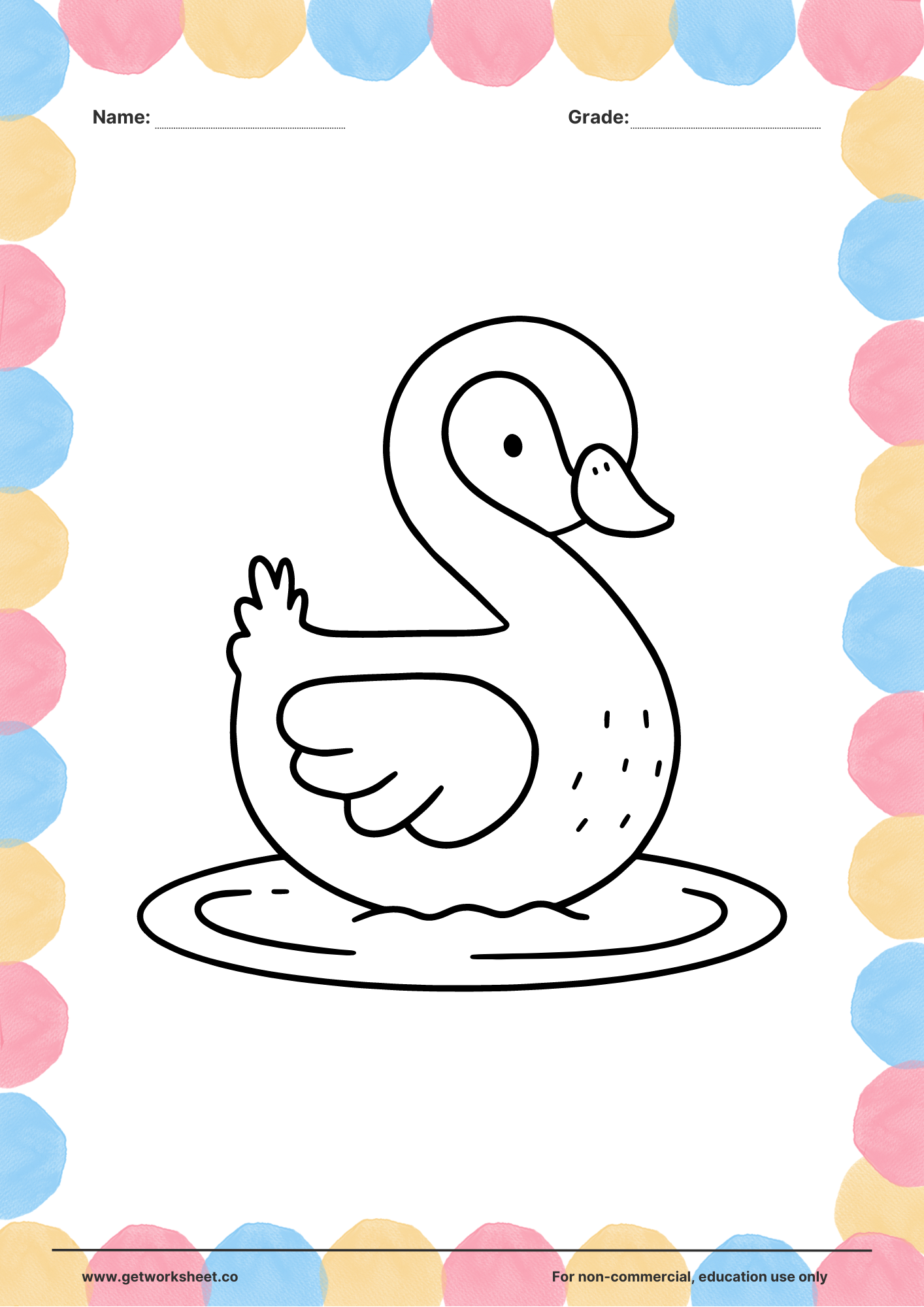
Animal coloring pages 10
Animal coloring pages 10
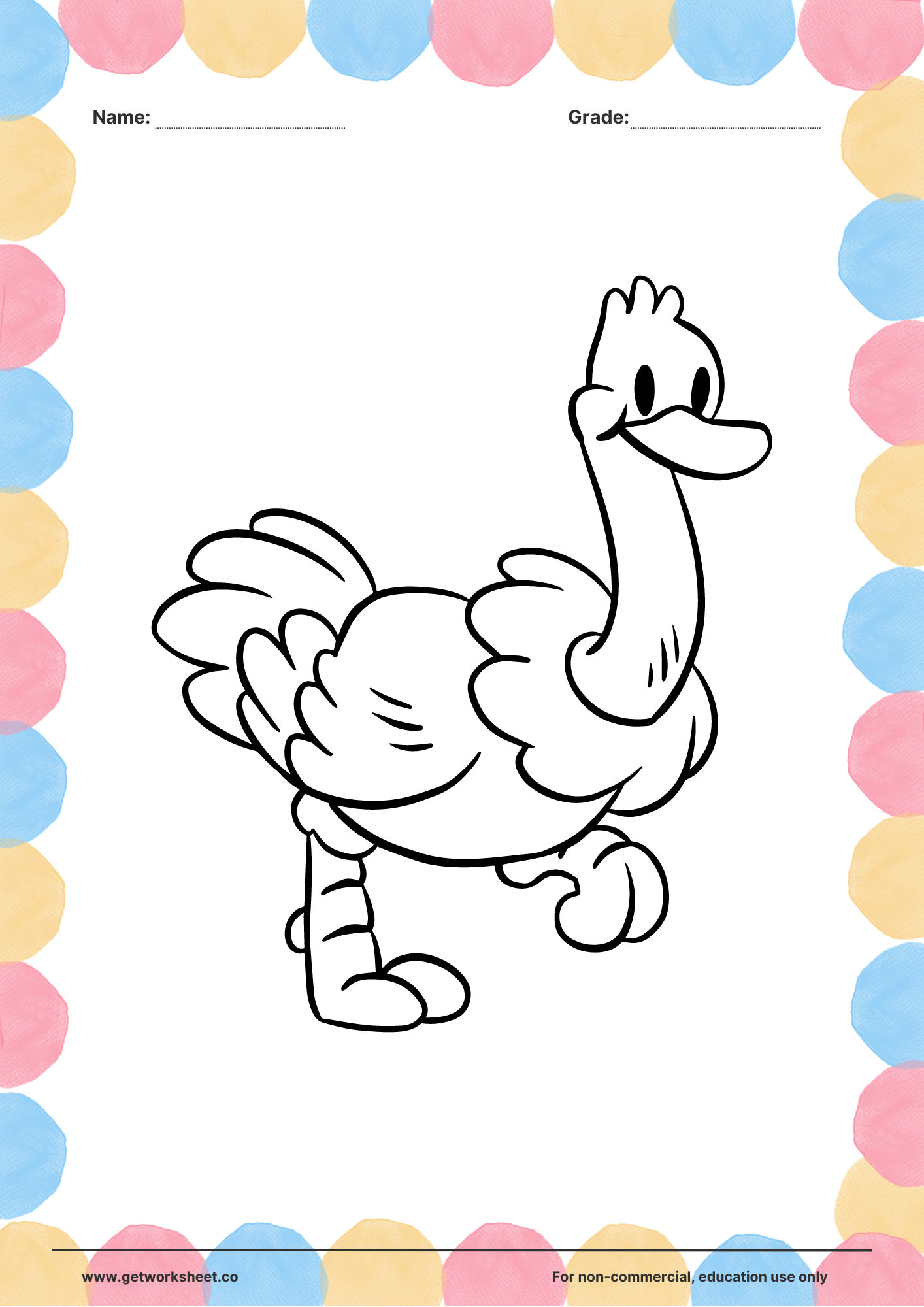
Animal coloring pages 9
Animal coloring pages 9
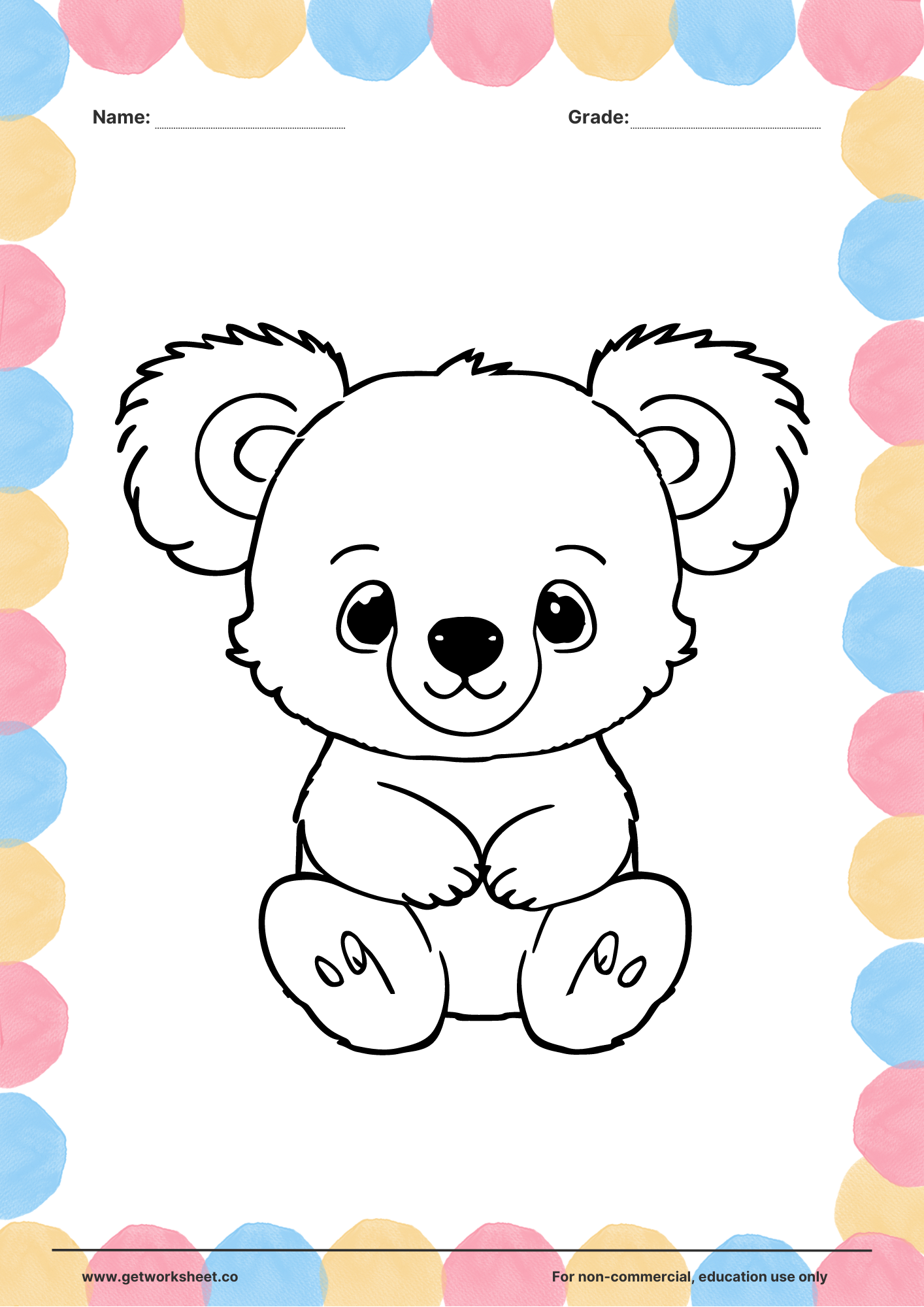
Animal coloring pages 8
Animal coloring pages 8
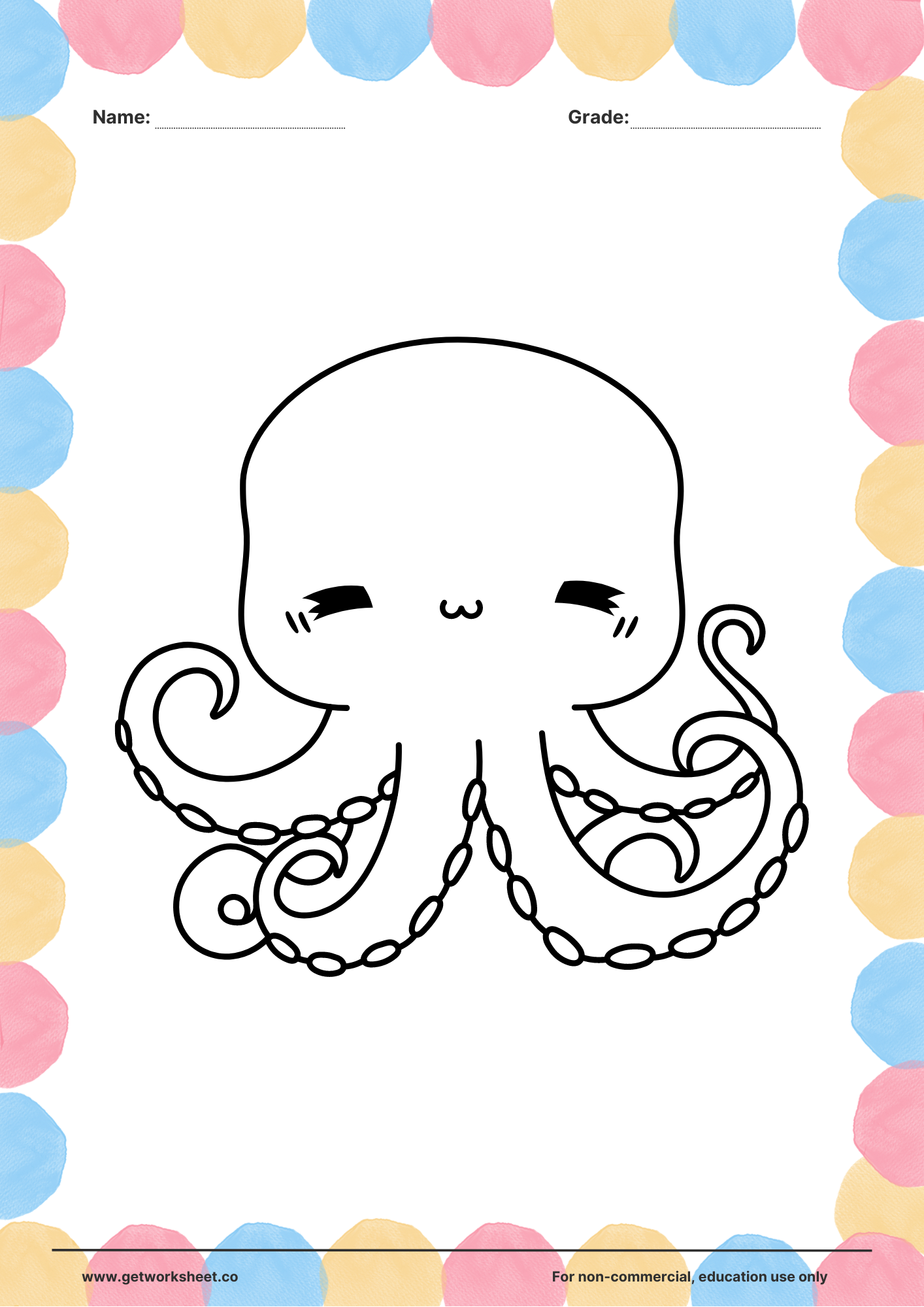
Animal coloring pages 7
Animal coloring pages 7
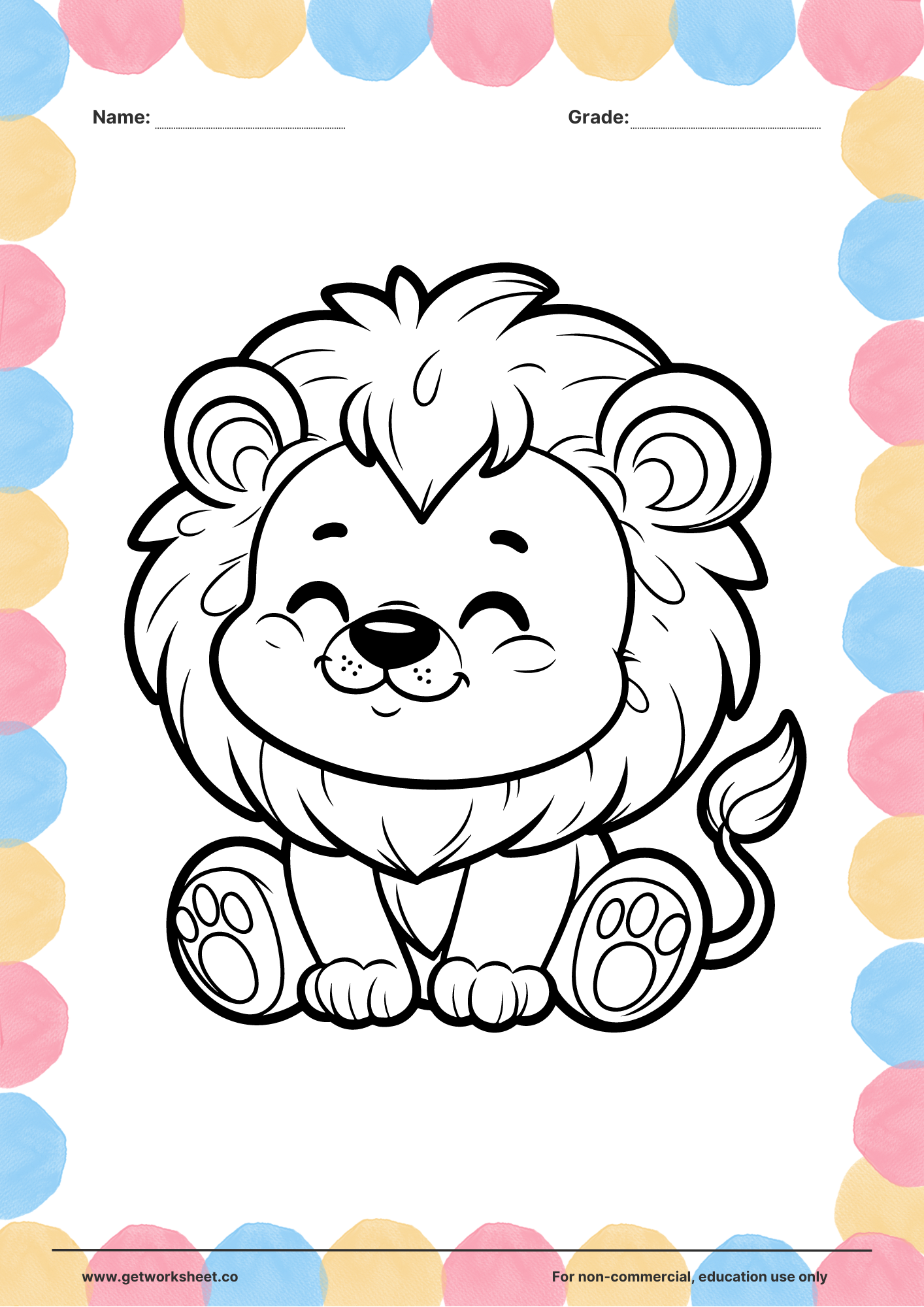
Animal coloring pages 6
Animal coloring pages 6
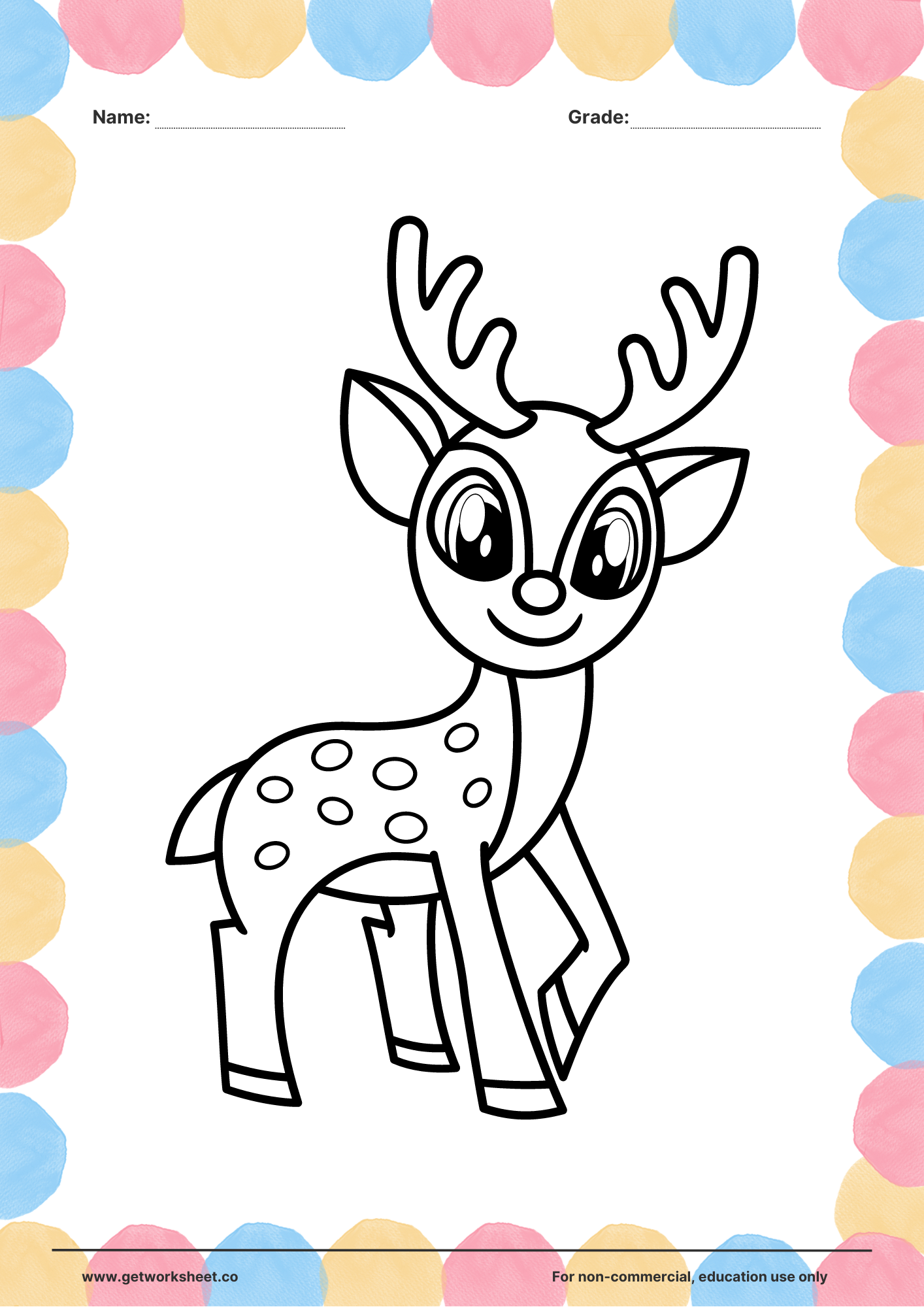
Animal coloring pages 5
Animal coloring pages 5
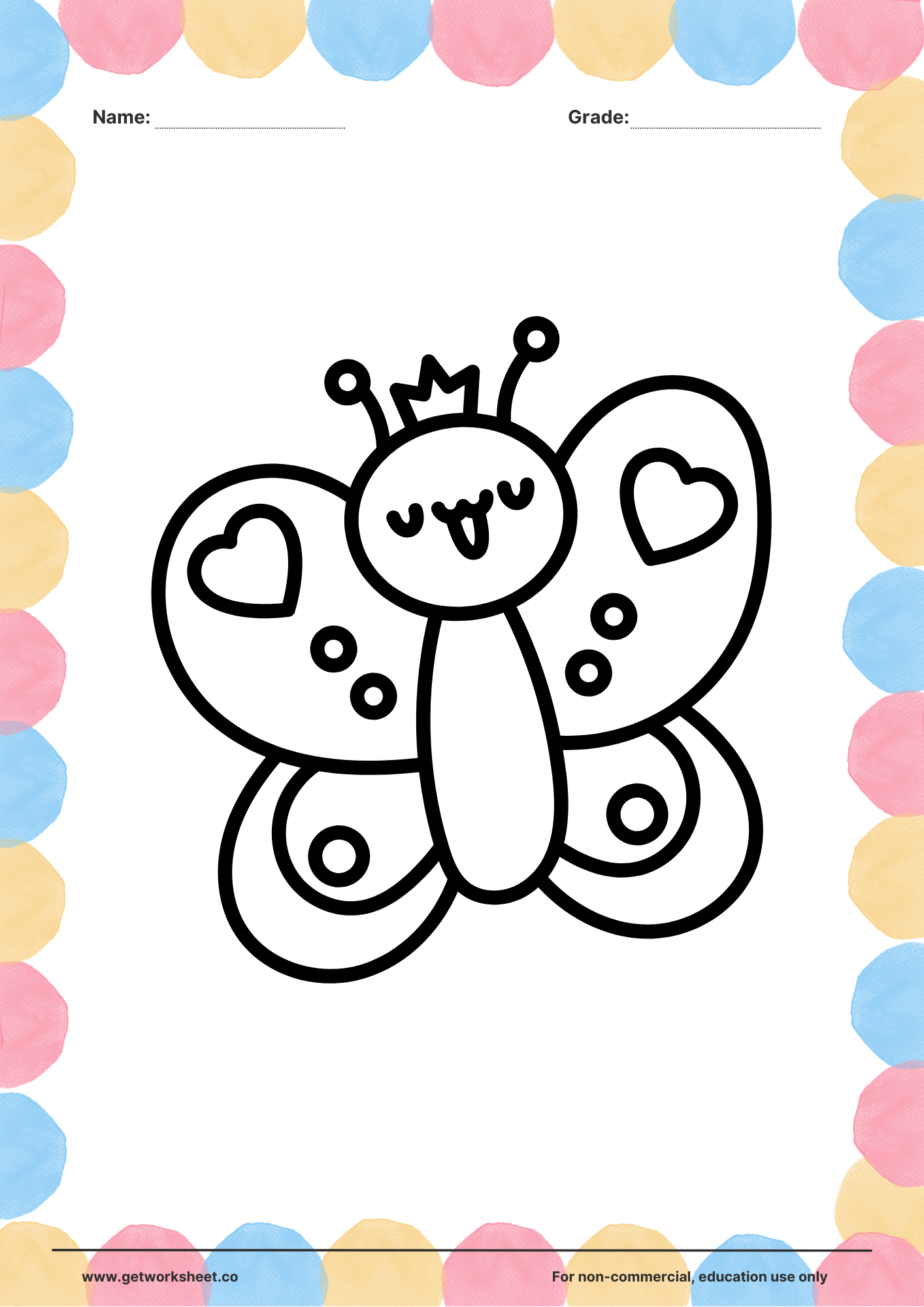
Animal coloring pages 4
Animal coloring pages 4
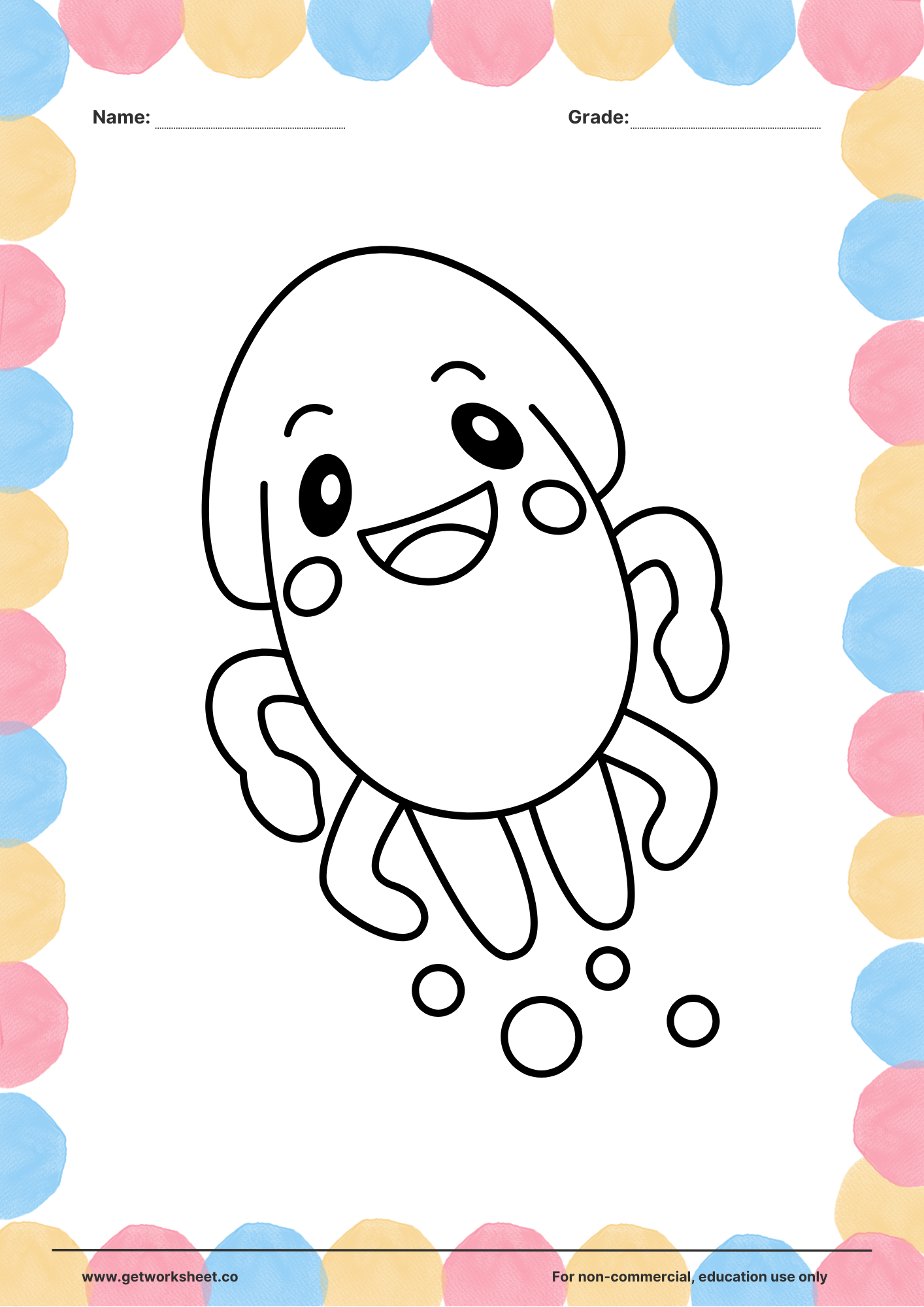
Animal coloring pages 3
Animal coloring pages 3
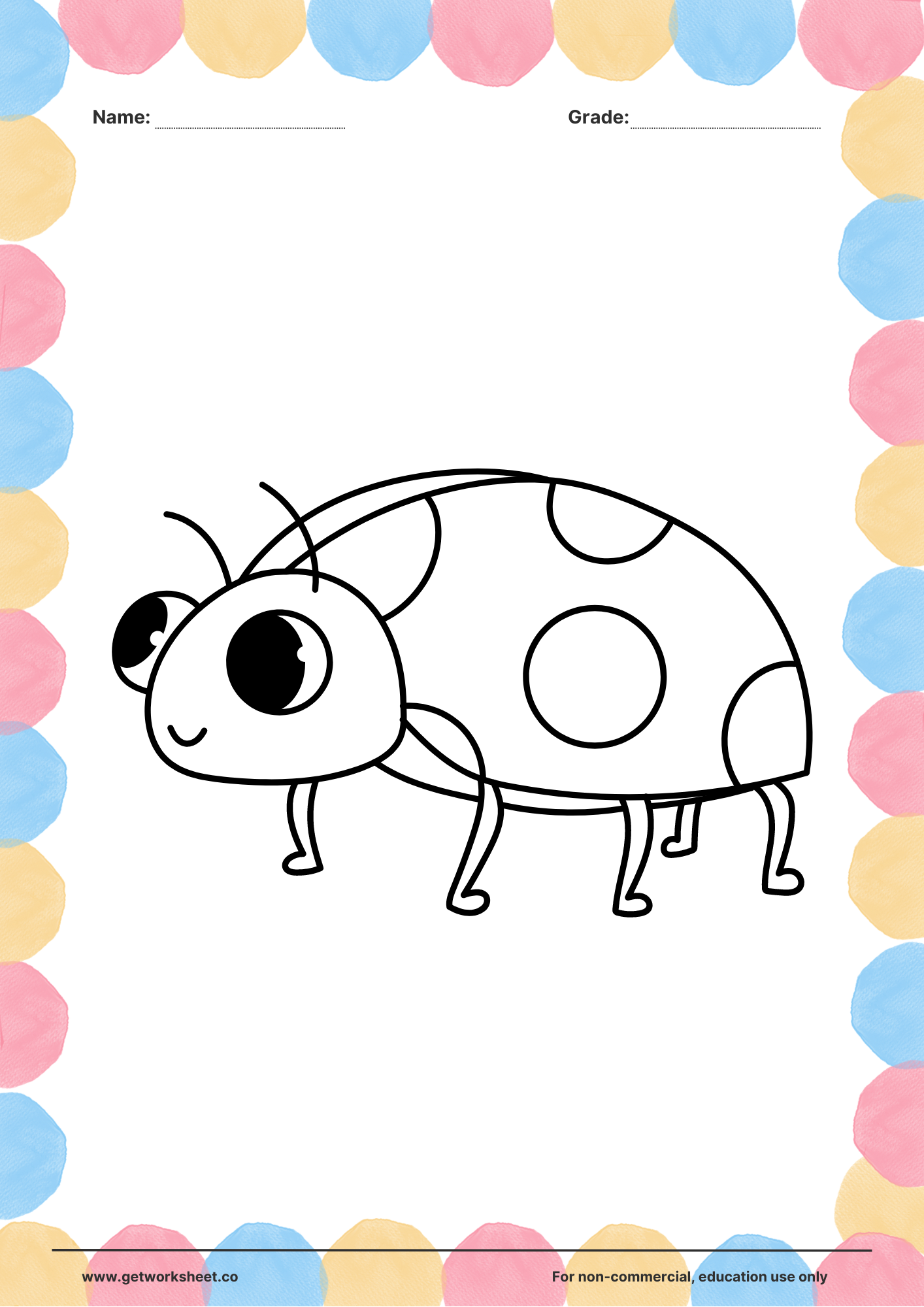
Animal coloring pages 2
Animal coloring pages 2
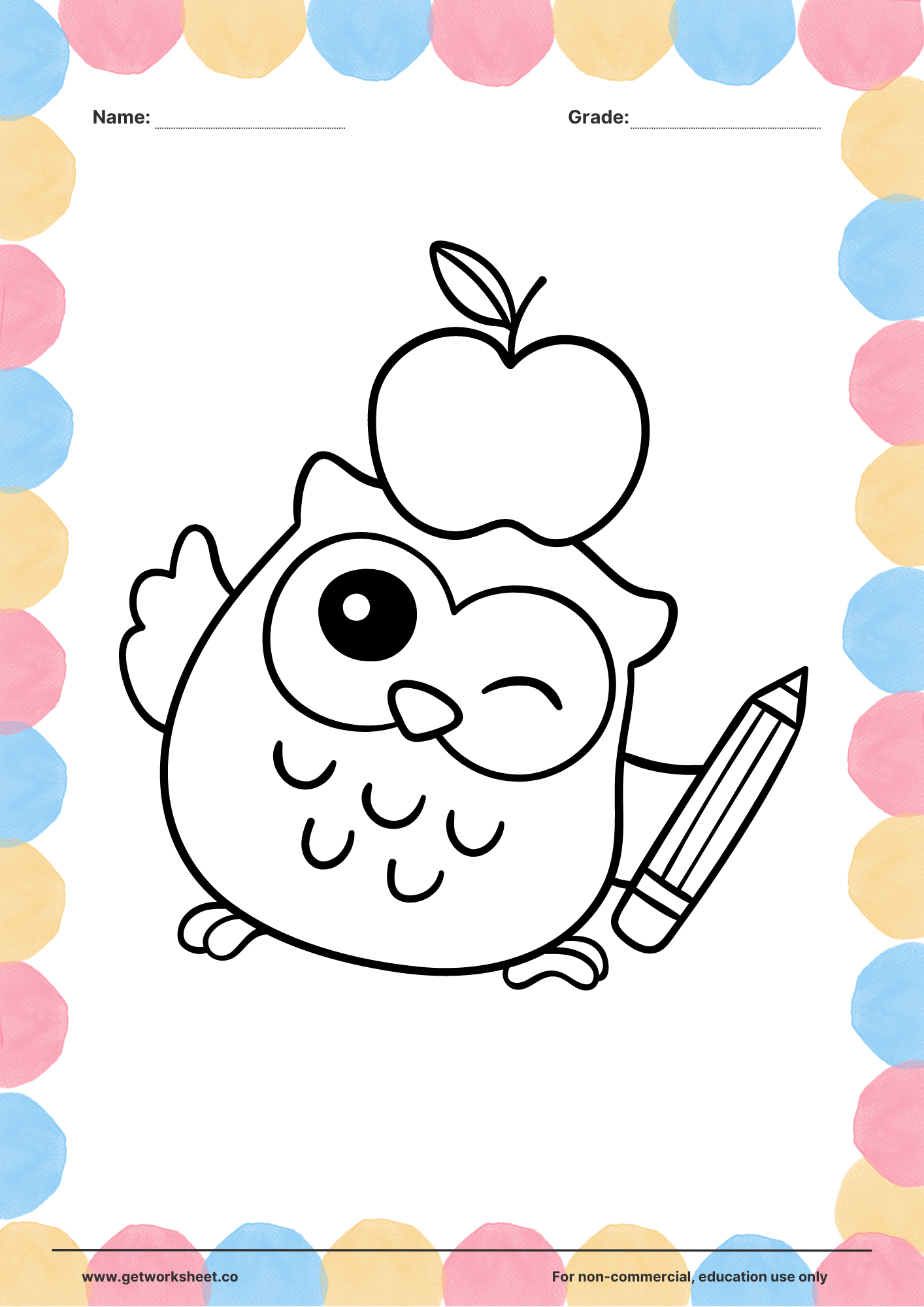
Animal coloring pages 1
Animal coloring pages 1
How to Use These Coloring Pages
Coloring is more than just staying inside the lines — it's an opportunity for creativity and learning.
- Ask your child about the animal before they start coloring: "What do you know about dolphins? Where do they live? What color are they?" This turns a coloring activity into a mini science conversation and makes the activity more meaningful.
- Offer a variety of coloring tools: crayons for younger children (easier grip, no mess), colored pencils for more control and detail, and markers for bold, vivid results. Different tools develop different hand muscles and artistic skills.
- For younger children (ages 2-4), choose pages with large, simple outlines and few small details. For older children (ages 5-8), offer more detailed pages with intricate patterns that challenge their fine motor control.
- Encourage creative coloring — there's no rule that says a parrot must be green or a fish must be blue. Letting children choose their own colors builds confidence and creative thinking. You can also do one realistic version and one imaginative version of the same animal.
Common Mistakes to Watch For
- Rushing through pages: Some children race to finish, using one color and scribbling quickly. Encourage them to slow down: "Can you try two different colors?" "What color would the eyes be?" Slowing down builds the fine motor control that makes coloring beneficial.
- Getting frustrated with small sections: Detailed pages with tiny areas can frustrate young children whose motor skills aren't ready for precision work. Match the page complexity to your child's ability — there's no shame in choosing a simpler design.
- Pressing too hard or too light: Pressing too hard breaks crayons and causes hand fatigue. Too light and the color barely shows. Practice medium pressure — thick crayons and colored pencils naturally encourage appropriate force.
- Thinking there's a "right" way to color: Some children won't start because they're afraid of making mistakes. Reassure them that in coloring, there are no mistakes — only choices. A green sun and a purple tree are creative decisions, not errors.
Frequently Asked Questions
What age are animal coloring pages appropriate for?
Simple outlines with large sections work for children as young as 2. More detailed pages suit ages 4-7. Highly intricate designs (like mandala-style animal patterns) challenge kids ages 8 and up. Choose complexity based on your child's fine motor development and attention span.
Are coloring pages actually educational?
Yes. Coloring develops fine motor skills, hand strength, and pencil grip — all prerequisites for handwriting. It also builds concentration, color recognition, and spatial awareness. When paired with discussion about the animals depicted, it becomes a science learning opportunity too.
Should I encourage realistic or creative coloring?
Both have value. Realistic coloring (making a flamingo pink) teaches observation and factual knowledge. Creative coloring (making a flamingo purple with polka dots) builds imagination and artistic confidence. Let your child choose, or try both approaches with the same page.
How long should a coloring session last?
For toddlers (2-3), 5-10 minutes is plenty. Preschoolers (4-5) typically enjoy 10-20 minutes. School-age children (6-8) can sustain 20-30 minutes or more on a detailed page. Stop before frustration sets in — coloring should always feel enjoyable, not like a chore.
After enjoying animal coloring pages, children can explore more structured art activities — drawing animals freehand, learning about animal anatomy, and creating their own nature-themed artwork.